Athletic Compression Socks: Boosting Runner's Performance and Recovery

Doctors have been using compression stockings to treat medical conditions ranging from ankle swelling and varicose veins to preventing life-threatening blood clots for years. Recently, athletes and trainers have started using compression therapy to boost their performance and their recovery.
Whether you are a casual jogger or a marathon runner Sigvaris athletic compression socks may be the perfect addition to your work-out routine.
How do athletic compression socks improve performance?
Athletic compression socks, when used during workouts, have been shown to have many advantages over traditional athletic socks. The graduated compression sock gently squeezes from the ankle to the knee which improves circulation, blood flow and increases oxygen to the muscle tissue. Another added benefit of compression socks during exercise is the prevention of lactic acid build-up in the legs. Lactic acid causes muscle fatigue and discomfort that can have a negative impact on an athlete's performance.
Benefits last beyond the workout
Not only can compression socks help performance, but they can also help with recovery. An independent study from the Journal of Sports Sciences[1] shows that wearing graduated compression socks during strenuous running or activity can help with DOMS, Delayed Onset Muscle Soreness.
“A staggering 86% of the participants wearing graduated compression socks experienced no DOMS (at all, compared to just 7% of those wearing regular ankle socks.”
Helpful hints to get the most out your athletic compression socks
- Choose your socks wisely. Just like any athletic or running gear, choosing quality products can make a big difference. Beware of "bargain" compression socks that do not show the amount of compression on the label. Look for an athletic sock with a compression between 15-30mmHg, otherwise you won't see much benefit. A good example of a quality sport compression sock is the performance sock by Sigvaris.
- Get the correct size. A good compression sock will not be sized just by shoe size. You must get ankle and calf measurements to ensure the proper fit.
- Follow manufacturer's care instructions. This will protect your investment and keep your socks working as hard as you do.
References:
[1] Ali, A.; Caine, M. P.; Snow, B. G., Graduated compression stockings: Physiological and perceptual responses during and after exercise. Journal of Sports Sciences 2007, 25 (5), 413-419.
Explore Our Newest Medical Guides & Insights
Compression Stockings and Socks Resource Center: FAQs and Related Reading
Compression Socks and Stockings Buying Guide: How to Choose the Right Size and Style
Knee-High vs. Thigh-High Compression Stockings: Which Is Right for You?
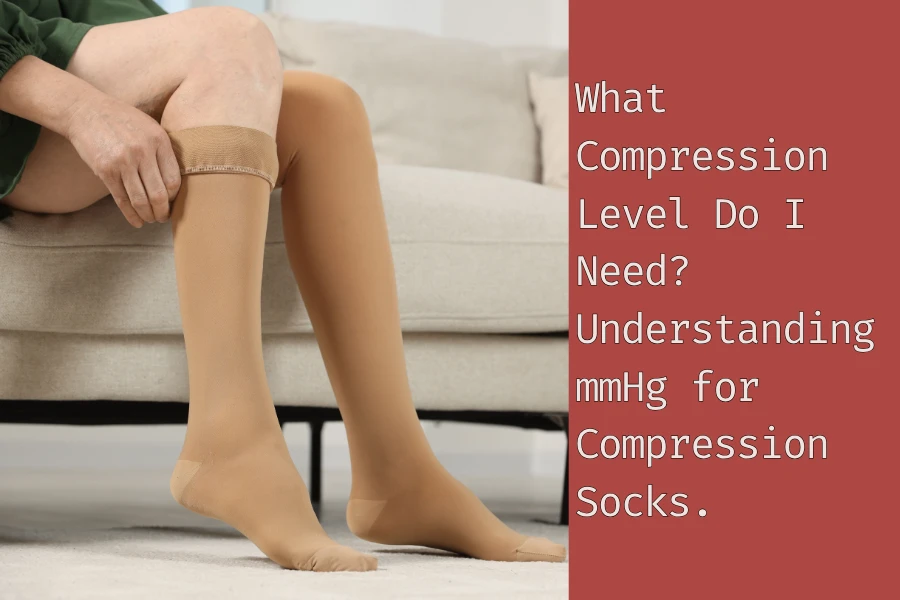
What Compression Level Do I Need? Understanding mmHg for Compression Socks
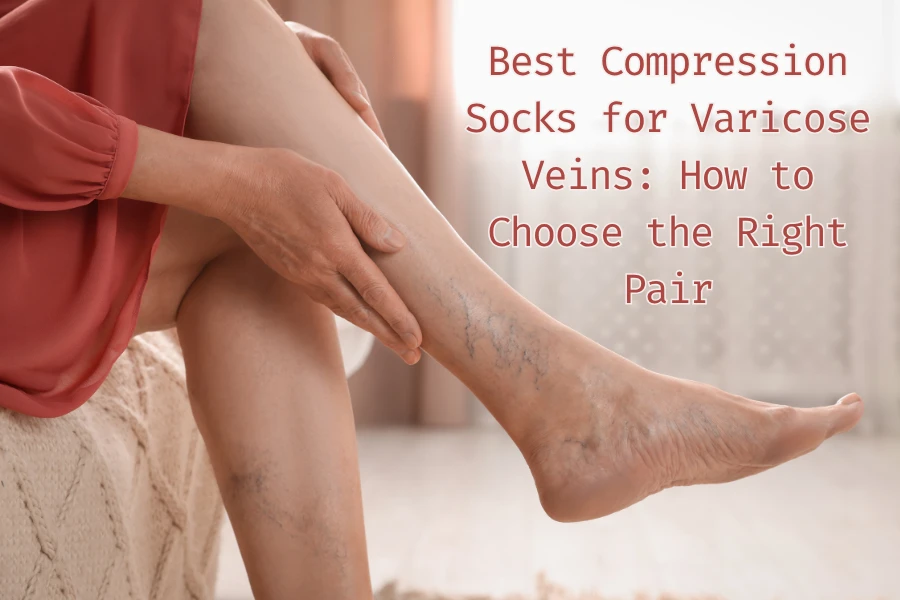
Best Compression Socks for Varicose Veins: How to Choose the Right Pair