Condom Catheter Shopping Guide
Condom Catheter Shopping Guide
Condom catheters are external catheters that are commonly used for male incontinence when an adult diaper is not preferred or possible. Although keeping track of all products needed can be a daunting task, the core essentials are simple: a properly sized condom catheter attached to a reliable leg bag, connected with tubing and secured with comfortable straps. An important facet of using any type of external catheter is skin protection. Using antiseptic wipes and barrier-building protective sprays can help shield the users skin from wearing down over time. When removing a condom catheter, adhesive remover increases comfortability and will reduce skin irritation. As for the leg bag and tubing cleaning process, using appliance cleansers and small brushes will greatly help the process stay clean and comfortable.
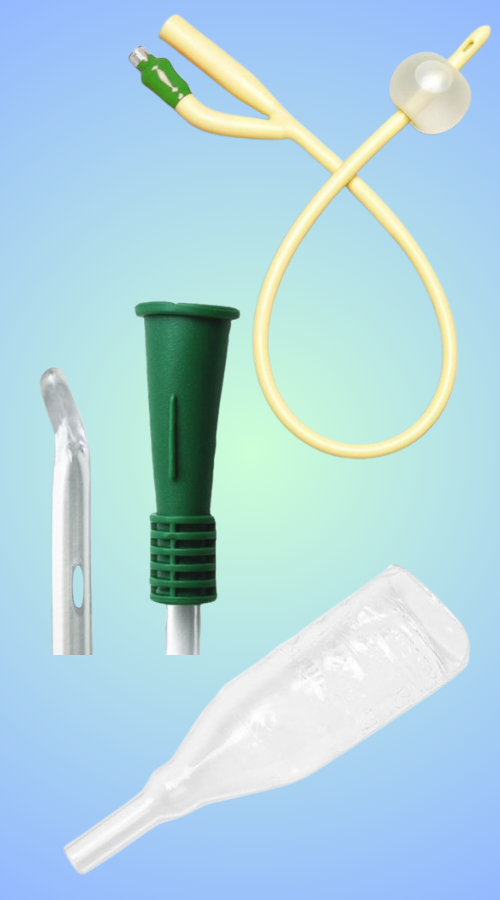
What are the 3 types of Urinary Catheters?
Indwelling Foley CatheterAn indwelling catheter is a urinary catheter that is inserted through the urethra into the bladder and left in place for continuous drainage into a collection bag. It is often used when the bladder cannot be emptied normally, including urinary retention and certain short-term medical situations where ongoing drainage is needed. Intermittent CatheterAn intermittent catheter is inserted to drain the bladder and then removed right away, repeating as needed throughout the day. This approach is commonly used when the bladder does not empty fully (urinary retention), but continuous drainage is not required. External Condom CatheterA condom catheter is the least invasive of the three catheter types because it sits on the outside of the body, using a sheath that connects to a urine collection bag. It is mainly used for urinary incontinence in men who still pass urine but cannot reliably control leakage. Since it avoids the urethra and bladder, it can be a more comfortable option for some customers and may reduce certain risks associated with internal catheters. The tradeoff is that performance depends heavily on proper sizing, secure adhesion, and consistent skin monitoring. When the fit and routine are right, condom catheters can provide steady, discreet urine collection for daily wear or overnight use. |
 |
How to Choose a Condom Catheter
For the exact measuring steps, see our blog: How to Use Condom Catheters: A Comprehensive Guide to Using External Catheters for Men.
Most condom catheter shopping decisions come down to a few factors that directly affect comfort, leakage control, and skin health. Sizing is the foundation, and brands typically label sizes by outer diameter in millimeters, with multiple size options in the same product line. After size, material matters for sensitivities. Many options are latex-free silicone, which is often preferred when latex allergy or irritation is a concern, while latex options exist but should be avoided for anyone with known or suspected latex sensitivity.
Next is the securement style. Self-adhering condom catheters have adhesive built into the sheath, which can feel simpler and more consistent for day-to-day use. Some lines also offer design details meant to improve reliability, like grip strips to help apply the sheath smoothly, and features intended to reduce kinking at the outlet so drainage stays steady.
Non self-adhering options rely on a separate adhesive, which can be a better fit when a customer wants more control over how the catheter adheres to skin, or needs to adjust products around sensitive skin. Either way, skin irritation is one of the most common problems with external devices, so skin tolerance is not a small detail when choosing a style.
Finally, consider the “fit preferences” that change how the catheter wears. Many brands offer different sheath lengths (standard vs shorter) and different adhesive band setups intended for specific situations, like a shorter shaft length or a need for more adhesion coverage. A clear, transparent sheath can also make it easier to monitor skin condition during routine checks.
FAQs for Condom Catheter Supplies
How often should the leg bag or bedside drain bag be replaced?
The lifespan of leg bags and bedside drainage bags depends largely on urine pH and how well the system is maintained. More acidic urine, meaning a lower pH, can gradually break down bag materials over time. Routine care matters because urine crystal buildup and overfilling can contribute to clogs, leaks, and faster wear, which often leads to earlier replacement.
Leg bags can last anywhere from 3 days to 4 weeks, depending on urine pH and maintenance. Bedside drainage bags typically last 1 to 4 weeks under the same conditions. Parts based leg bag systems often last longer than one piece leg bags, since individual components can be replaced as needed instead of replacing the entire bag.
For overnight drainage, glass bedside drainage bottles last longer than bedside drainage bags, and pH levels do not break down glass the way they can degrade bag materials. With consistent cleaning and care, bedside drainage bottles can often last 3 to 6 months.
As a preventive step, storing a bedside drainage bag in a tub or bin can help contain leaks that start overnight. It is also strongly recommended to keep a backup bag or bottle available at all times in case of unexpected leaks or emergencies.
What if my skin becomes red or irritated?
Skin irritation can be caused by multiple things when using condom catheters and leg bags. The most common occurrence is customers with latex sensitivities, so it is very important you always check the materials used with your products. Improper maintenance and care can also lead to skin irritation, so it's recommended you stay consistent with your cleaning routine. If you have taken the proper steps and still experience skin irritation, contact your doctor immediately.
How frequently should a condom catheter be changed?
A condom catheter should be changed every 24 hours. Changing regularly helps reduce the risk of UTI, as well as keeping the skin protected and the user comfortable.
How do I store cleaning supplies?
All condom catheter supplies should be stored in a dry, clean environment. Many customers like to have a larger storage container in the home for all items, and a small to-go bag for daily use and travel.
Ready to Shop - Key Takeaways
A condom catheter routine works best when the focus stays on consistency, comfort, and a secure setup that drains reliably throughout the day and night. When sizing is correct and the system is kept stable, the overall experience tends to feel more predictable, with fewer surprises that lead to leaks, backflow, or skin stress.
The steps around maintenance matter just as much as the setup itself. Small preparation habits can make adhesion more reliable and removal less irritating, while regular cleaning helps reduce odor, residue, and buildup that can shorten the life of collection supplies. With the right approach and a steady maintenance routine, condom catheter care becomes easier to manage and far more comfortable over time.
Explore Our Newest Medical Guides & Insights

Compression Stockings and Socks Resource Center: FAQs and Related Reading

Compression Socks and Stockings Buying Guide: How to Choose the Right Size and Style

Knee-High vs. Thigh-High Compression Stockings: Which Is Right for You?

What Compression Level Do I Need? Understanding mmHg for Compression Socks

Best Compression Socks for Varicose Veins: How to Choose the Right Pair