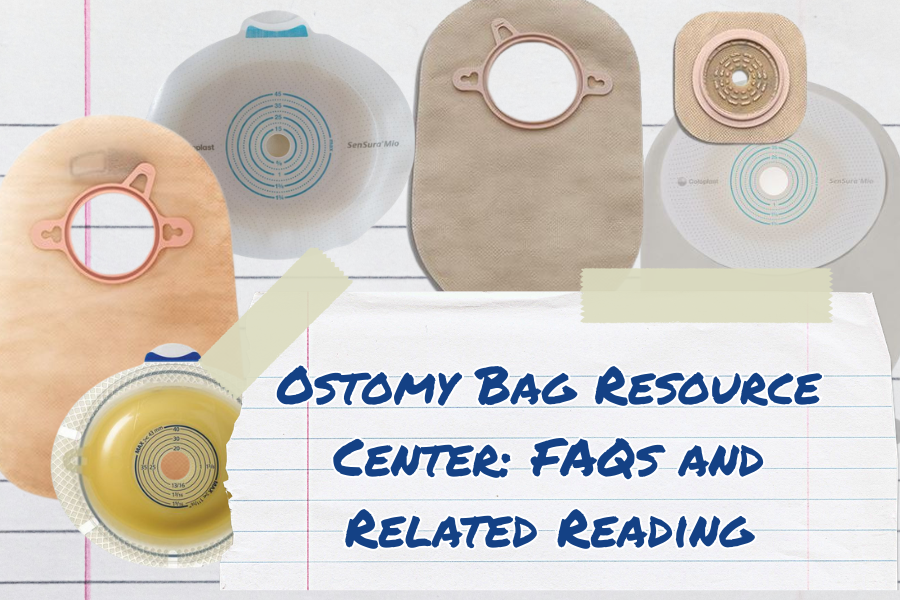
Two-Piece Ostomy Bags - What You Need to Know
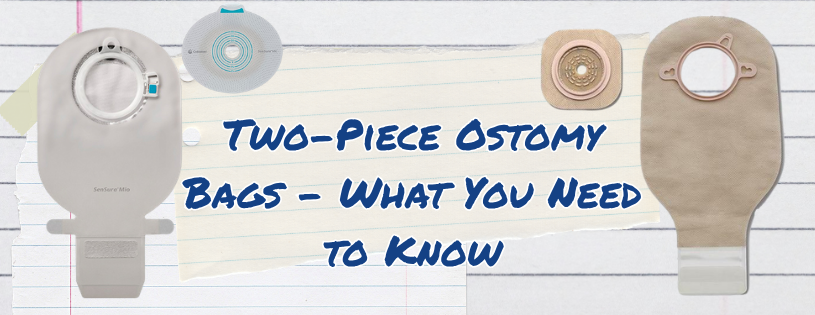
Two-Piece Ostomy Bags - What You Need to Know
What Is a 2 Piece Ostomy Bag?
A 2-piece ostomy bag is a pouching system used to collect output from a stoma. Instead of being one complete unit, a 2-piece system has a separate bag and skin barrier. The skin barrier sticks to the skin around the stoma, while the bag attaches to the barrier and collects stool or urine output.
Ostomy appliances are used after different types of ostomy surgery. With a colostomy, waste exits the body through a stoma connected to the colon. With an ileostomy, output comes from the small intestine, meaning it’s often looser and more frequent. For a urostomy, urine leaves the body through a stoma instead of passing through the bladder normally. Each type of ostomy affects the kind of output the ostomy bag collects, which is why bag style, type of skin barrier, and type of drainage all matter when choosing your 2-piece system.
Parts of a Two-Piece Ostomy Appliance
A 2-piece ostomy system has three main parts. Different brands/regions may use different names, but many of these terms refer to the exact same basic pieces.
- Skin barrier, wafer, or baseplate
This is the piece that sticks to the skin around the stoma. It helps protect the skin, keeps the area around the stoma covered, and includes the coupling, flange, or landing zone where the bag attaches. - Bag
This is the collection bag that holds the output. Depending on the type of ostomy, the ostomy bag may be drainable, closed-end, or made for urinary output.
How Does a Two-Piece Ostomy System Work?
A two-piece system has the skin barrier and bag as two separate pieces. The skin barrier is fitted around the stoma, where it helps protect the surrounding skin and connects to the bag. The main benefit of this setup is that the bag can be changed without removing the baseplate every time. If the barrier still has a secure seal and isn’t irritating the skin, the user can remove the bag, attach a new one, and keep the same barrier in place. This can make bag changes much quicker and be better for users with sensitive skin.
Types of 2-Piece Ostomy Bags
Two-piece ostomy appliances come in different bag styles depending on the type of output being collected and how often the bag needs to be emptied or changed.
Drainable 2-Piece Ostomy Bags
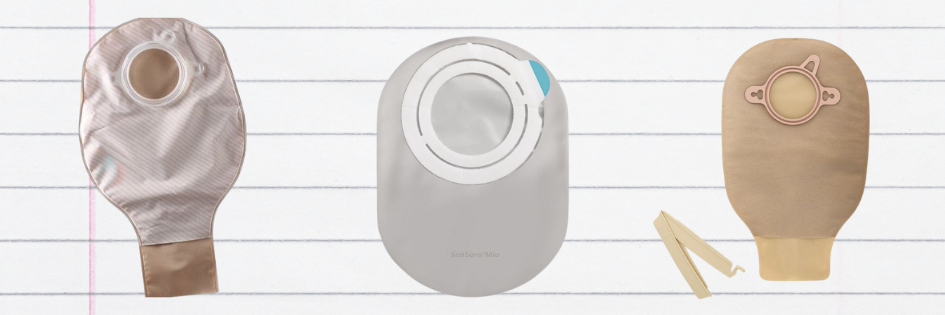
Drainable ostomy bags, also called open-end bags, have an openable bottom that allows output to be emptied while the bag is still attached to the body. These are often used when output is loose, frequent, or less predictable. After emptying, the bottom is closed up with an integrated closure or separate clamp, depending on the bag design.
Closed-End 2-Piece Ostomy Bags
Closed-end ostomy bags stay sealed after use and are discarded instead of emptied. They are often used for shorter wear periods or when output is more solid and predictable. Because the entire bag is removed, closed-end bags can be a convenient option for users who prefer a simpler routine.
2-Piece Urostomy Bags
Urostomy bags are designed for urinary output. Instead of an openable outlet or sealed bag bottom, they usually have a tap or valve at the bottom for draining urine. Many urostomy bags include an anti-reflux valve, which helps prevent output from flowing back toward the stoma.
Benefits of Using a 2-Piece Ostomy Bag
Quicker Changes
With a 2-piece appliance, the bag can be changed without removing the wafer, making the changing process much faster, which is ideal for travel or those who need to change their bag frequently.
Easier Barrier Placement
Placing the skin barrier separately is much easier, as it allows users to see their stoma as they put it on, increasing accuracy and ease of use.
Longer Wear Time
As long as the seal remains secure, clean, and the skin around isn’t irritated or dirty, users can leave the baseplate on for multiple days. For those with sensitive skin, leaving the barrier on for longer means less stress and irritation on the stoma and surrounding skin.
Bag Variation
While keeping the wafer on the body, users can switch between the type of ostomy bag they want to use. Some prefer to use drainable bags when they’re at home and can empty them easily, while using closed-end ostomy bags while out or traveling can help simplify things.
Downsides of Using a 2-Piece Ostomy Bag
Additional Step
2-piece systems add a step to the user's routine: attaching the skin barrier before the bag. For many users, this is quick and easy, but it may be harder for people with arthritis, weak hands, or limited fine motor control. If connecting the bag to the barrier feels too difficult, an adhesive 2-piece system or a 1-piece ostomy bag may be easier.
Bulkier Profile
Certain coupling systems, especially mechanical ones, can have a bulkier profile than a 1-piece system, meaning it will be more noticeable under clothing. Adhesive couplings can help flatten the connection point, but are still not as discreet as 1-piece ostomy bags.
Compatibility Issues
Ostomy bags, baseplates, and coupling systems have to match up for a 2-piece system to work. They need to be from the same compatible product line and use the correct flange size or coupling style. If the parts are not compatible, the bag may not attach securely, which can lead to leaks or make the system unusable.
Choosing the Right Ostomy Skin Barrier
The right ostomy skin barrier depends on the user’s stoma, skin sensitivity, output, and how long they intend to wear it. Since the wafer sits directly around the stoma, comfort and skin protection are a top priority.
Skin Sensitivity
Users with sensitive or easily irritated skin may need to compare barrier materials. A good barrier should create a secure seal without causing redness, itching, or discomfort. If irritation continues after regular changes, trying other barrier styles might help.
Cut-to-Fit vs. Pre-Cut Barriers
If a user's stoma is uneven, irregular, or still changing shape, cut-to-fit barriers are the better choice. The opening can be trimmed to match the stoma, which creates a secure seal and greatly lowers skin irritation.
Pre-cut barriers are more convenient when the user’s stoma is consistent and round enough to match a standard opening. Since the hole is already sized, changing the ostomy bag is quicker and easier.
Standard Wear vs. Extended Wear Barriers
Standard wear barriers are usually worn for 1-3 days, depending on the user’s skin, output, and barrier brand. They are used when output is less frequent and thicker.
Extended wear barriers are made to hold up longer against moisture and more active output. They may last 3-7 days, but wear time always depends on the output, skin, and barrier. These wafers are often preferred for high-volume output, ileostomies, and urostomies, because the barrier needs additional resistance to output.
Flat vs Convex Skin Barriers for Two-Piece Systems
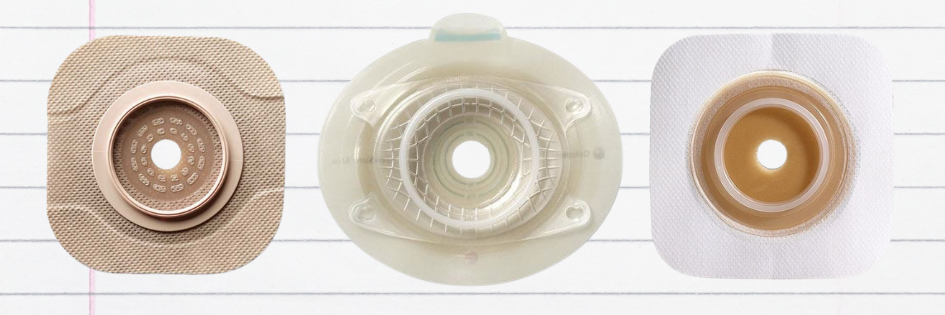
Flat baseplates sit level against the skin. They are designed for "regular" stomas that have fairly even skin around them. This shape helps the pouching system sit smoothly when output already drains into the bag without needing extra pressure around the stoma.
Convex barriers curve inward toward the skin. They are made for stomas that are flush, retracted, or positioned in skin folds. The curved shape applies gentle pressure around the stoma, helping it push outward so output drains into the bag instead of sitting under the barrier.
Understanding Ostomy Bag Coupling Systems
The coupling system is the part of a 2-piece ostomy appliance that connects the ostomy bag to the skin barrier, wafer, or baseplate. This connection has to be secure so the bag stays in place throughout the day.
A mechanical coupling uses a ring or flange that clicks the bag and barrier together. Having a clear physical connection like this makes it much easier to tell when the bag is attached correctly. The main issue with mechanical connections is they are bulkier than an adhesive coupling.
An adhesive coupling sticks the barrier and ostomy bag together, using a small "landing zone" on the baseplate. This creates a flatter and more flexible fit, giving users more discretion in their day-to-day life.
The best coupling style depends on what feels easiest to use and most comfortable to wear. Mechanical couplings make it easier to verify the bag is in the right spot with an audible click. However, that snap-on connection can be harder for users with arthritis or limited fine motor control. Adhesive couplings sit flatter and are more discreet underclothing, but they need to be lined up carefully. If the ostomy bag is not sealed evenly onto the wafer, output can leak between the bag and baseplate.
Frequently Asked Questions About 2 Piece Ostomy Bags
What are the best 2-piece ostomy bags for sensitive skin?
For customers with more sensitive skin, buying the right skin barrier is more important than the actual ostomy bag. The baseplate sits directly on the skin, and some brands use materials that can irritate certain users. The Hollister CeraPlus skin barrier is a non-irritating, protective wafer that is also completely latex free.
How often should I change a two-piece ostomy appliance?
2-piece systems should be worn for about 2-4 days, depending on the brand and amount of output. There are a lot of skin barriers that are meant for extended wear, such as the Coloplast SenSura Flex, which lasts up to a week.
What is the difference between a 1-piece and 2-piece ostomy bag?
While there are many differences between the types of ostomy bags, there’s a couple main things to really pay attention to. A 2-piece system separates the skin barrier and bag into 2 units. This can be gentler on the skin (due to fewer changes), and allow flexibility with bag variation. A 1-piece system is flatter, more discreet under clothing, but requires more changes and more stress to the skin. For users with non-sensitive skin, 1-piece systems can be an effective and simple option.
Do all 2-piece bags fit all 2-piece barriers?
No skin barrier is 100% universal. It is important to verify the manufacturer, type, and sizing of both your baseplate, coupling system, and bag. It is recommended to choose a brand or type to stick with, and to change out the wafer when you use a new brand or type of bag. Using mismatched parts for your system can lead to leaks and extra stress on the skin.
Who should use a 2-piece ostomy system?
A 2-piece ostomy system can be a good choice for people who need easier bag changes without removing the skin barrier every time. This can help users with sensitive skin, since the area around the stoma is not bothered as often. It is also helpful for users with ileostomies, since the bag needs to be changed more often during the day.
A 2-piece system also makes ballooning easier to manage. The bag can be removed briefly to release gas, or to “burp” the bag. Since the skin barrier and bag are placed separately, users can also monitor their stoma easily when applying the baseplate.
Shop Two-Piece Ostomy Bags Online
A 2-piece ostomy system gives users more control over bag changes, barrier wear time, and daily comfort. Since the bag and skin barrier are separate, users can change the bag without removing the baseplate every time. This can be helpful for sensitive skin, frequent bag changes, gas management, and users who want the option to switch between different bag styles.
When shopping for a 2-piece system, look at more than just the bag. Barrier type, wear time, coupling style, and skin sensitivity all affect how well the system fits into your daily routine. Users also need to make sure the bag and barrier are compatible, including the correct brand, product line, flange size, or coupling style.
Browse our ostomy supplies to compare product lines from brands like Hollister, Coloplast, and ConvaTec. Once the right system is chosen, our Auto-Ship program can help keep ostomy supplies on a regular delivery schedule, making reorders simpler and easier to manage.
Explore Our Newest Medical Guides & Insights

Compression Stockings and Socks Resource Center: FAQs and Related Reading

Compression Socks and Stockings Buying Guide: How to Choose the Right Size and Style

Knee-High vs. Thigh-High Compression Stockings: Which Is Right for You?

What Compression Level Do I Need? Understanding mmHg for Compression Socks

Best Compression Socks for Varicose Veins: How to Choose the Right Pair