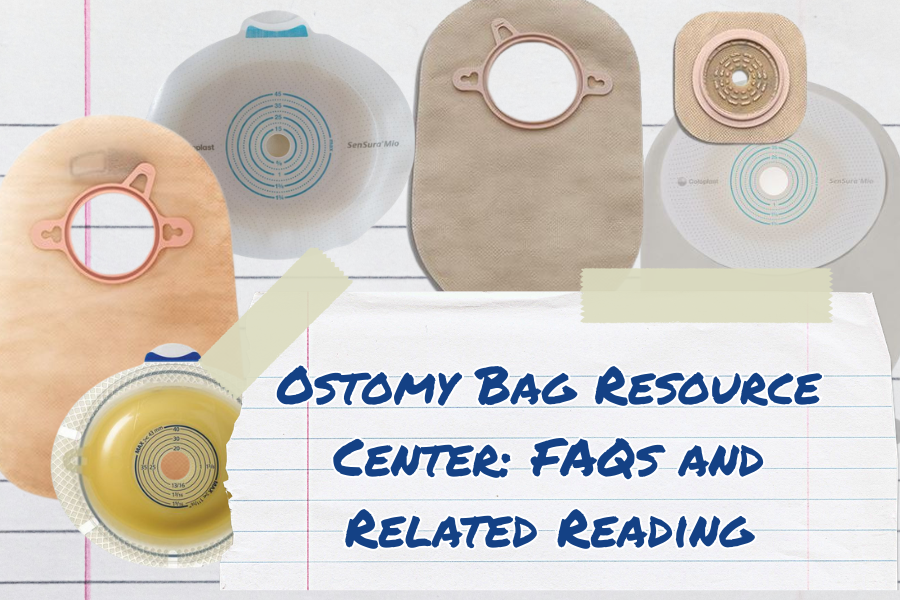
Why Do Ostomy Wafers Have So Many Different Names?
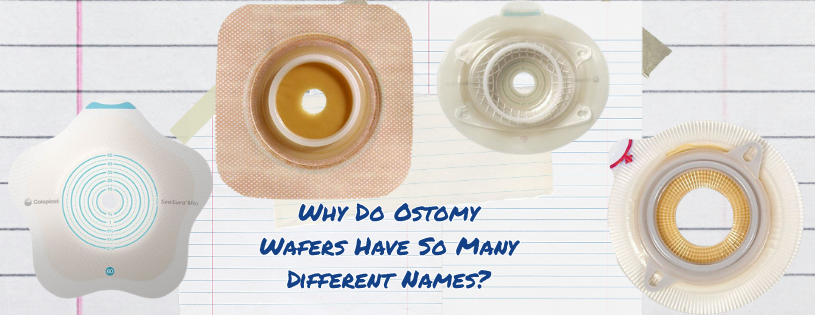
Why Do Ostomy Wafers Have So Many Different Names?
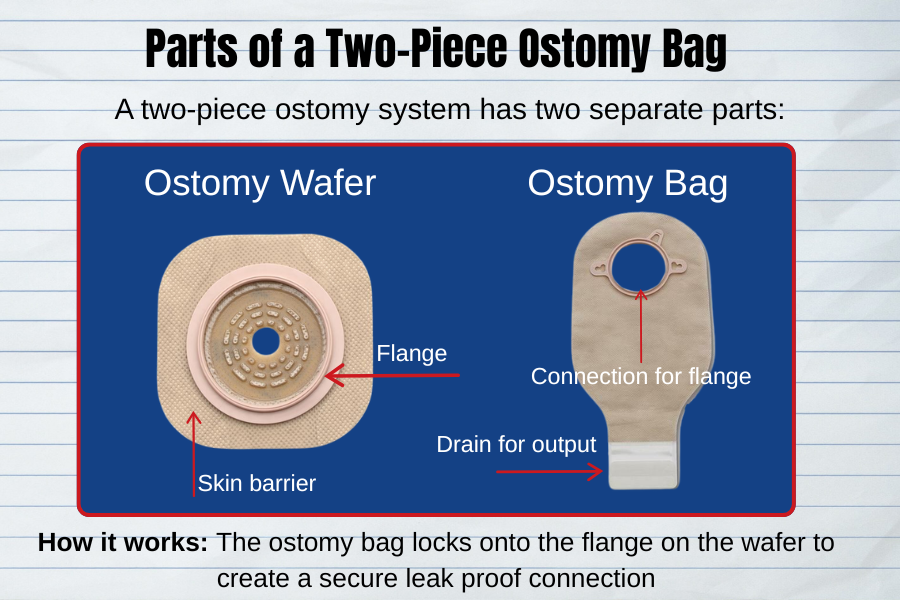
New ostomates are often confused at the amount of terms thrown around for ostomy systems. Most of these different names originally came from manufacturers or brands, but they all refer to the same few parts. A wafer, skin barrier, baseplate, and flange are the same thing: the small piece that directly sits on the skin. For a 2-piece system, this is a separate part that the bag attaches to via an adhesive or a mechanical clasp. For a 1-piece system, this is simply the piece that surrounds the stoma and sticks to the skin.
What is an Ostomy Wafer?
An ostomy wafer is the adhesive portion of an ostomy system that attaches to the skin around the stoma. It creates a seal that helps keep ostomy output away from the skin while providing a surface for the ostomy pouch to attach.
The term "wafer" has been used in the ostomy community for decades and remains one of the most recognizable names for this product. The name comes from the wafer's thin, flexible design, which resembles a flat wafer or disc. While many patients use the term wafer, manufacturers and healthcare professionals may use other names such as skin barrier, barrier, or baseplate.
Today, the terms wafer and skin barrier are often used interchangeably. Regardless of the name, they all refer to the part of the ostomy system that protects the skin and helps create a secure pouching system.
What is an Ostomy Skin Barrier?
Skin barrier is the most common medical term for an ostomy wafer. Healthcare professionals, ostomy nurses, and manufacturers frequently use this term because it describes the product's primary purpose: protecting the skin around the stoma. The skin barrier creates a protective seal that helps keep ostomy output away from the peristomal skin, reducing the risk of irritation and skin damage. Modern skin barriers are designed to conform to the body's contours while maintaining a secure fit.
What Is an Ostomy Baseplate?
Baseplate is a product-focused term that customers are most likely to see with 2-piece systems. This term describes the barrier simply: the strong base that holds the full system together.
Depending on the product line, that strong base may be a plastic coupling that clicks into place, or an adhesive area where the pouch presses on.
What Is an Ostomy Flange?
Flange is one of the easier ostomy terms to mix up because it has a narrower meaning than the way many people use it. The flange is the connection area on a 2-piece system.
In everyday use, the word often gets misused. Product listings may use “flange” to mean the entire barrier, not just the connection point. That is why some might say they need a new flange when they are really looking for a baseplate/ostomy wafer/skin barrier.
If a product lists a flange size, it is talking about the connection point's measurement. If the listing talks about cut-to-fit, pre-cut, flat, or convex options, it is describing the barrier itself. Knowing that difference makes it easier to match the right pouch and avoid ordering pieces that don't work together.
Are Wafer, Skin Barrier, Baseplate, and Flange the Same Thing?
Wafer, skin barrier, and baseplate are three names for the same item: the barrier that sits around the stoma and supports the pouch.
Flange is the exception. When used correctly, flange refers to the connection point where the pouch attaches to the barrier in a 2-piece system. Some people still use “flange” to describe the full barrier, which can make product names and sizing details confusing.
The simple rule is this: wafer, skin barrier, and baseplate mean the full barrier. Flange means the pouch connection.
Which Part of an Ostomy System Attaches to the Skin?
The wafer, skin barrier, or baseplate is the part that sits directly on the skin around the stoma. It has to do more than stay in place. This piece helps keep the pouch supported as it fills and moves with the body, while also keeping the skin around the stoma covered. That is why the fit, shape, and wear time of the barrier are so important.
Common Ostomy Terms Every Patient Should Know
Ostomy products are easier to understand once the basic terms start to feel familiar. These are some of the most common words customers will see when reading product pages.
Stoma
The opening on the abdomen where stool or urine leaves the body after ostomy surgery. Ileostomy, colostomy, and urostomy are all surgical procedures that result in a stoma.
Ostomy Bag
The bag that collects output from the stoma. Some bags are drainable, while others are closed and removed after use. An ostomy bag can be a one-piece or a two-piece.
Flat Skin Barrier
A barrier with a flat surface that sits against the skin. Flat barriers are used when the stoma is protruding and is surrounded by even skin.
Convex Skin Barrier
A barrier with a curved shape that gently presses around the stoma. Convex barriers are used for stomas that are flush or surrounded by uneven skin.
Drainable Pouch
A pouch with an opening at the bottom so output can be emptied without removing the pouch.
Closed-End Pouch
A sealed pouch that is removed and thrown away after use instead of being emptied.
Coupling System
The connection style used on a 2-piece system. Some pouches click or snap onto the barrier, while others attach with an adhesive connection. 1-piece systems still have a skin barrier, but it is a part of the complete unit.
How to Find the Correct Ostomy Barrier
For a 2-piece system, the bag and barrier must match exactly. The brand is not enough. The product line, flange or coupling size, and connection style need to match too. Similar-looking barriers from the same brand may not attach to your specific bag. Customers using a 1-piece system do not buy the barrier separately, but they still need the right opening size, barrier shape, and bag style for their stoma.

Frequently Asked Questions About Ostomy Wafers and Skin Barriers
Is an ostomy wafer the same as a skin barrier?
Yes. "Ostomy wafer" and "skin barrier" refer to the same component of an ostomy system. The term skin barrier emphasizes its role in protecting the skin, while wafer is the traditional name many ostomy patients still use.
What is the difference between a wafer and a flange?
A wafer is the barrier that gets put on the skin around the stoma. A flange refers to the coupling or connection where the pouch attaches to the barrier in a two-piece ostomy system.
What is a baseplate in an ostomy system?
A baseplate is another name some use for the skin barrier, especially in two-piece ostomy systems. It stays attached to the skin while the pouch can be removed and replaced without changing the entire barrier.
Do all ostomy pouches fit every skin barrier?
No. Most ostomy pouches are only compatible with barriers made by the same manufacturer and designed for the same coupling system. Always verify the brand, product line, and flange size before purchasing replacement supplies. For example, Coloplast SenSura Mio does not work with Coloplast SenSura Mio Click. The manufacturer and the brand need to match.
How often should an ostomy skin barrier be changed?
Most ostomy skin barriers are changed every 3 to 7 days, although the ideal wear time varies based on your stoma, skin condition, activity level, and the type of barrier you use. Change your barrier sooner if you notice leakage, itching, or lifting around the edges. Report any infection to your doctor immediately.
Can I use a one-piece pouch with a two-piece skin barrier?
No. One-piece and two-piece ostomy systems are designed differently and are not interchangeable. A two-piece barrier only works with compatible two-piece pouches from the same product line. A one-piece ostomy bag has an integrated ostomy wafer.
What is the purpose of an ostomy skin barrier?
The skin barrier creates a secure seal around the stoma while protecting the surrounding skin from contact with ostomy output. A properly fitted barrier helps reduce leaks and supports longer wear time.
How do I know which ostomy barrier I need?
Choose a barrier based on your stoma size and shape, whether you need a flat or convex barrier, cut-to-fit or pre-cut sizing, and compatibility with your existing pouching system. If you're unsure, your ostomy nurse or supplier can help identify the correct replacement.
Are flat and convex skin barriers used for different stomas?
Yes. Flat skin barriers work well for many stomas that protrude above the skin. Convex skin barriers apply gentle pressure around the stoma and are often recommended for flush, retracted, or difficult-to-fit stomas to improve the seal.
Why do manufacturers use different names for the same ostomy product?
Different manufacturers, healthcare professionals, and long-time ostomy users adopted different terminology over the years. That's why you may see the same product described as a wafer, skin barrier, baseplate, or flange, depending on the brand or context.
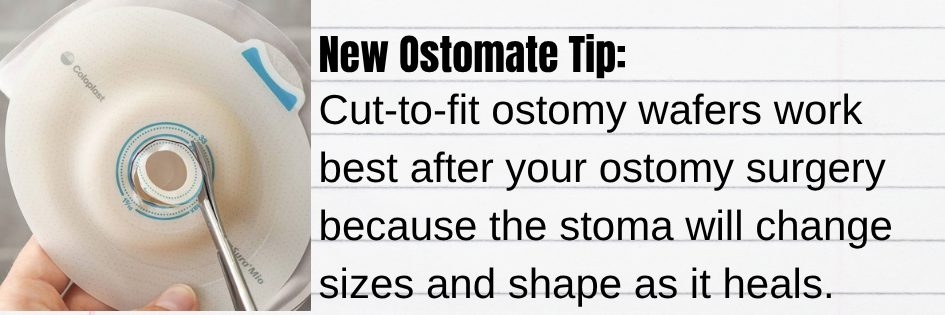
Shop Ostomy Skin Barriers and Wafers Online
Understanding the difference between wafers, skin barriers, baseplates, and flanges can make shopping for ostomy supplies less confusing. Once the terminology is clear, it is easier to compare barrier styles, check pouch compatibility, and choose the right fit for a stoma and daily routine.
Express Medical Supply carries a wide range of ostomy wafers and skin barriers, including flat barriers, convex barriers, cut-to-fit barriers, and pre-cut barriers from trusted brands. Customers using a 2-piece system should always confirm that the bag and barrier are from the same compatible product line before ordering.
Browse our ostomy wafers and barriers online to compare options and find the right match for your pouching system. Once the correct supplies are chosen, our Auto-Ship program can help keep them on a regular delivery schedule, making reorders simpler and easier to manage.
Explore Our Newest Medical Guides & Insights

Compression Stockings and Socks Resource Center: FAQs and Related Reading

Compression Socks and Stockings Buying Guide: How to Choose the Right Size and Style

Knee-High vs. Thigh-High Compression Stockings: Which Is Right for You?

What Compression Level Do I Need? Understanding mmHg for Compression Socks

Best Compression Socks for Varicose Veins: How to Choose the Right Pair