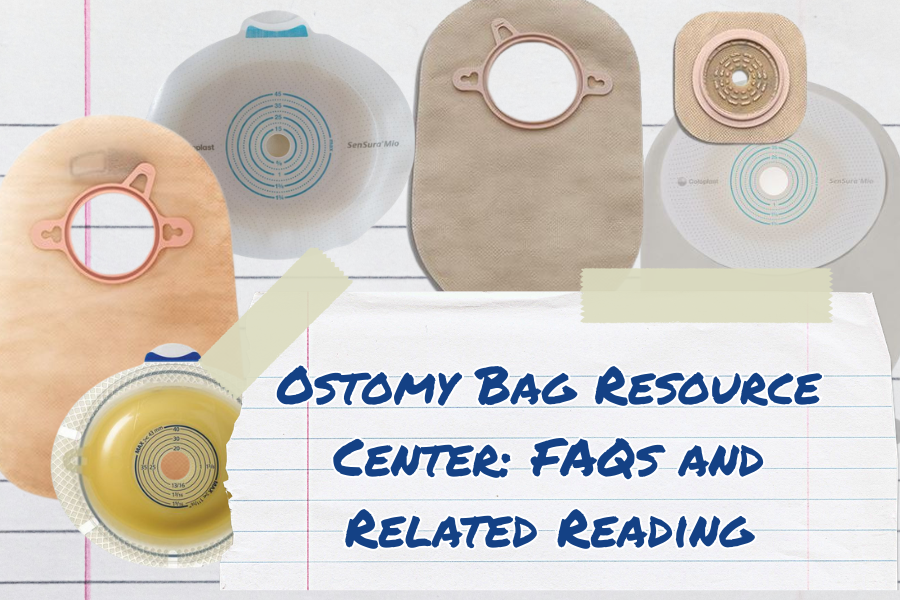
Ostomy Bag Resource Center: FAQs and Related Reading

Aug 12th 2026 Anthony Sherman

Ostomy Bag Resource Center: FAQs and Related Reading

OstomyBagResourceCenterBlogBanner
OnePieceBagForResourceCenter

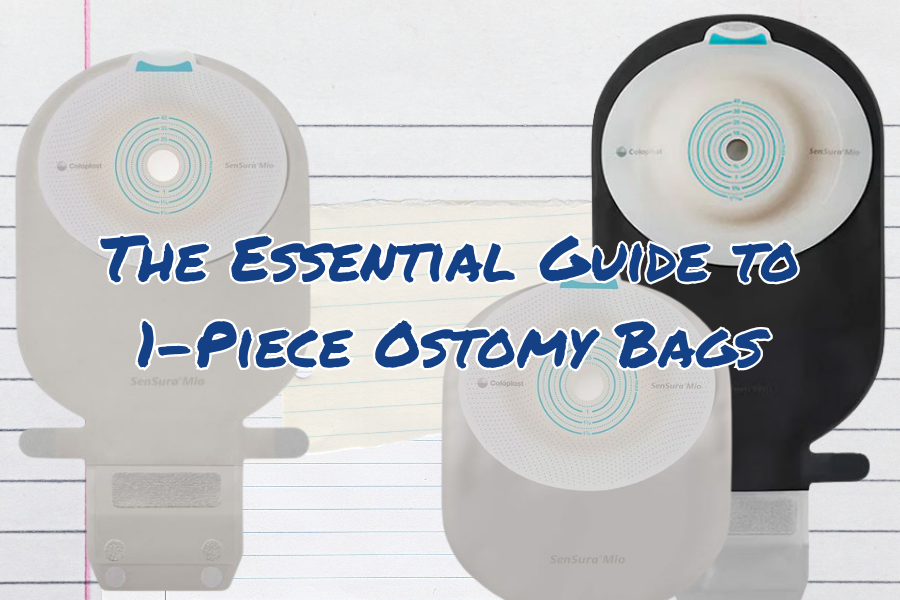
The Essential Guide to 1-Piece Ostomy Bags

1-Piece ostomy bags are complete systems that attach to the stoma and collect output. The baseplate, connection point, and bag are all one cohesive piece, making them ideal choices for travel or semi-formed/solid output. One-piece bags are available in several variations, including cut-to-fit and convex baseplates. Choosing the right bag means one that matches your stoma size, body contours, skin tolerance, output type, and day-to-day routine. Keeping your supplies clean and stocked helps reduce stress and keep your ostomy experience simple.

TwoPieceBagForResourceCenter

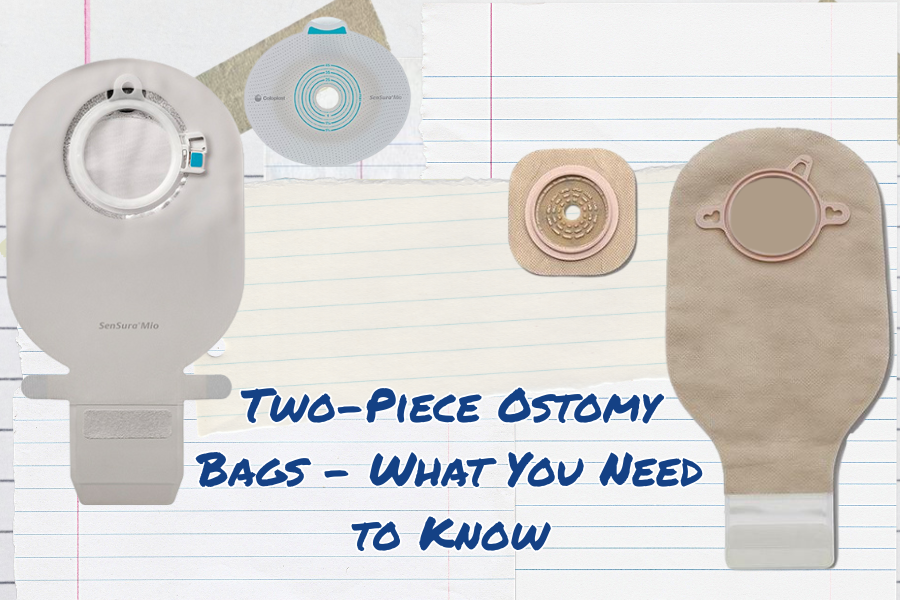
Two-Piece Ostomy Bags - What You Need to Know

2-piece bags serve the same purpose as 1-piece, but have the baseplate and bag as separate pieces. Being able to disconnect the bag lets you empty and re-use the same bag, as well as switch between types of bags. Keeping the skin barrier on for extended periods means less stress put on the skin, which is ideal for anyone with sensitive skin. It is important to remember to always double check that your barrier matches up with your bag, and keep extra supplies so you don't run out.

OstomyWaferForResourceCenter

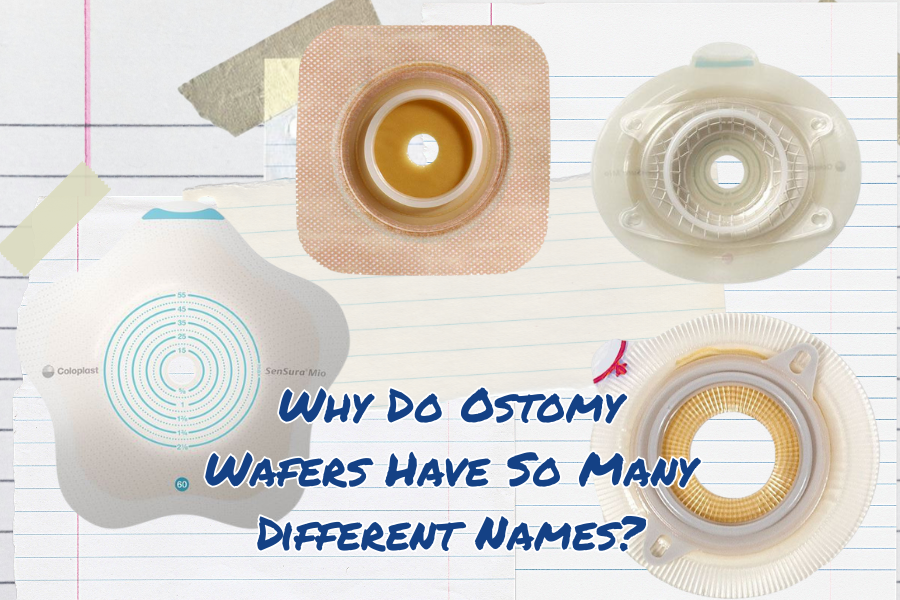
Why Do Ostomy Wafers Have So Many Different Names?

Ostomy products have several different names, and they can be a bit confusing, especially for new ostomates. Ostomy wafer, skin barrier, and baseplate all refer to the same thing: The part of an ostomy system that attaches to the skin around the stoma and directs it into the bag. Flange is another common term, but it isn't the same thing. The flange is the connection point for a 2-piece appliance, not the entire baseplate. Choosing the right barrier is simple if you follow the key guidelines: Product line, flange size, connection style, skin sensitivity, and output type.

ClosedDrainableBagForResourceCenter

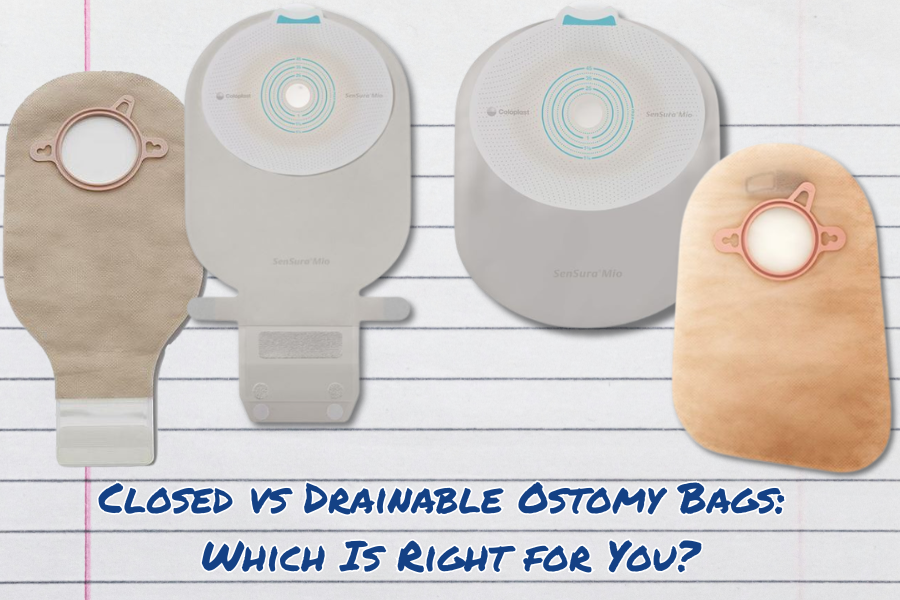
Closed vs Drainable Ostomy Bags: Which Is Right for You?

Closed and drainable ostomy bags are available in all variations. Closed bags are removed and thrown away after they are filled, and drainable bags are emptied and re-attached to the skin barrier. Different types of ostomy surgeries can lead to using different types of bags, since the location and output type changes. Closed bags means quicker pouch changes and can be more convenient when you're away from home. Drainable bags are more affordable long-term and better for frequent output.

ConvexVsFlatBarrierForResourceCenter

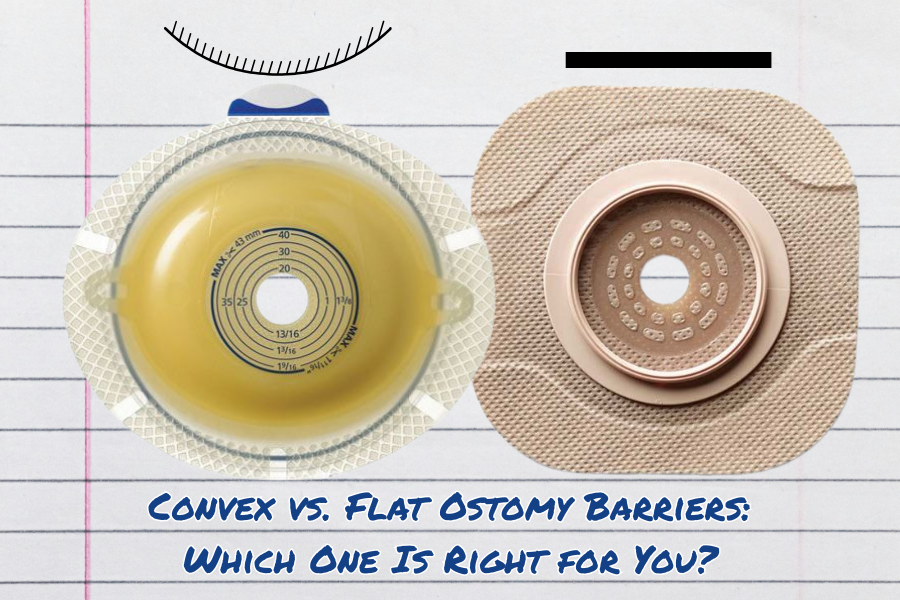
Convex vs. Flat Ostomy Barriers: Which One Is Right for You?

Convex and flat barriers serve the same purpose: attaching to the stoma and surrounding skin to direct the output into the ostomy bag. Flat barriers are meant for stomas that protrude evenly and have even skin surrounding it, providing gentle pressure to the peristomal skin. Convex barriers are meant for stomas that are recessed or flush with the skin, and apply firmer pressure to the stoma to pull it outwards into the bag. Everyone is different, and it is important to consult your doctor to find what works for you.

Frequently Asked Questions About Ostomy Systems

Ostomy Bag Resource Center FAQ GIF

What are the advantages of a 1-piece ostomy bag?

1-piece ostomy bags are extremely simple and easy to use. You fill up the bag, then throw it away. Those with low motor skills, those away from home, and people who have trouble getting to the bathroom can all benefit from using 1-piece bags.

Are 1-piece ostomy bags available with different types of barriers?

Yes. Cut-to-fit, pre-cut, convex, and flat barriers come on different 1-piece ostomy bags. The only difference is that they do not come off of the bag, and you throw the entire system away when you are done with it.

Can you change a 2-piece ostomy bag without removing the skin barrier?

Yes. 2-piece systems have the bag and baseplate as separate parts, meaning all you have to do is detach the bag from the connection point, empty it or throw it away, then put it back on. The skin barrier still needs to be changed about every 4-7 days, depending on the brand and type.

Are all 2-piece ostomy bags and barriers compatible?

No. When shopping for bags and barriers, you must verify that the brand, product line, size, type, and shape all line up with your ostomy bag. It is recommended to consult your medical team to make sure there is no doubt about what is best for you.

How often do you change a closed ostomy bag?

Once your closed ostomy bag is about 1/2-3/4 full, you can take it off and throw it away. It is recommended to not let it overfill, as that will lead to ballooning and possible leakage. Drainable bags are emptied at the same level, but they are re-attached/closed back up afterwards..

Are drainable ostomy bags better for frequent output?

Yes. Having a drainable bag lets you quickly empty your output and then close it back up, which takes much less time than throwing a whole system away and re-doing your set-up.

When should you use a convex ostomy barrier?

Convex ostomy barriers are meant for those with recessed stomas, that are even or under the skin level. The convex design will pull the stoma outward, directing into the bag.

Can you use a flat ostomy barrier with a flush or recessed stoma?

No. A flat ostomy barrier will not be able to attach to a stoma that does not protrude evenly. Convex barriers provide more pressure to the area around the stoma, and are needed for recessed stomas or uneven skin.

Explore Our Newest Medical Guides & Insights

Ostomy Bag Resource Center: FAQs and Related Reading

Ostomy Bag Resource Center: FAQs and Related Reading

Aug 12th 2026 Anthony Sherman
Ostomy Bag Resource Center: FAQs and Related Reading The Essential Guide to 1-Piece Ostomy Ba …
Convex vs. Flat Ostomy Barriers: Which One Is Right for You?

Convex vs. Flat Ostomy Barriers: Which One Is Right for You?

Aug 10th 2026 Anthony Sherman
Convex vs. Flat Ostomy Barriers: Which One Is Right for You? What Is a Flat Ostomy Barrier A flat …
Closed vs Drainable Ostomy Bags: Which Is Right for You?

Closed vs Drainable Ostomy Bags: Which Is Right for You?

Jul 27th 2026 Anthony Sherman
Closed vs Drainable Ostomy Bags: Which Is Right for You? What Is a Closed Ostomy Bag? Closed ostom …
Why Do Ostomy Wafers Have So Many Different Names?

Why Do Ostomy Wafers Have So Many Different Names?

Jul 3rd 2026 Anthony Sherman
Why Do Ostomy Wafers Have So Many Different Names? New ostomates are often confused at the amount …
Two-Piece Ostomy Bags - What You Need to Know

Two-Piece Ostomy Bags - What You Need to Know

Jun 17th 2026 Anthony Sherman
Two-Piece Ostomy Bags - What You Need to Know What Is a 2 Piece Ostomy Bag? A 2-piece ostomy bag …
Sterile Gloves for Home Care: When to Use Them and How to Choose

Sterile Gloves for Home Care: When to Use Them and How to Choose

May 27th 2026 Anthony Sherman
Sterile Gloves for Home Care: When to Use Them and How to Choose Sterile gloves are disposable medi …