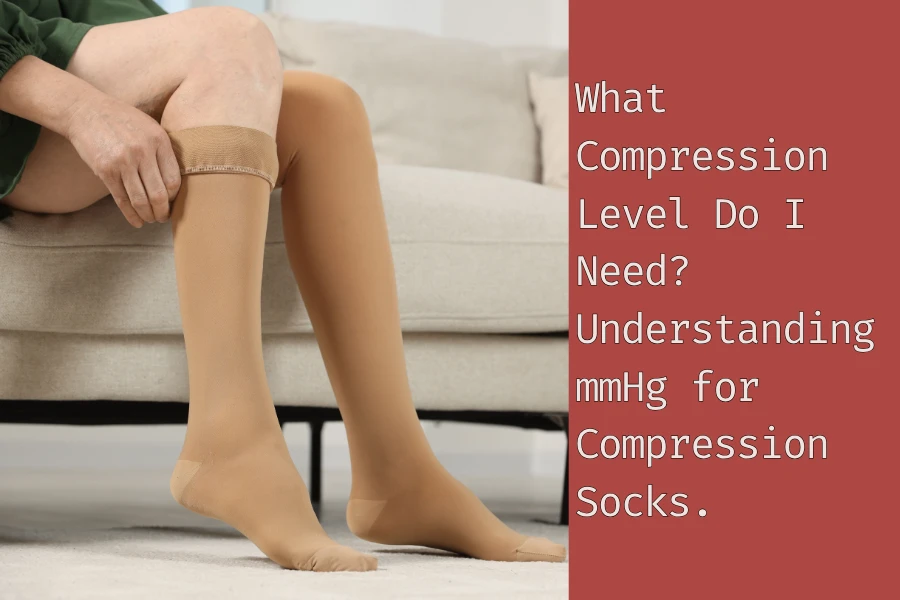
What Compression Level Do I Need? Understanding mmHg for Compression Socks
What Compression Level Do I Need? Understanding mmHg for Compression Socks
What Does mmHg Mean for Compression Socks?
Most people unfamiliar with compression socks are confused by “mmHg”. This stands for “millimeters of mercury”, which is the measurement of how high a force can push a column of liquid mercury inside a tube, and is also used to measure blood pressure. One mmHg is the pressure needed to raise the mercury by one millimeter. The higher the mmHg number is, the tighter the compression sock will be.
The whole concept may seem silly because who thinks of their leg as a tube, but having background information on compression socks will help you make a more informed decision.
How Compression Levels Work
When it comes to specifically compression socks, the vast majority of them apply graduated pressure, which is why all compression socks and stockings are titled with a range of mmHg. This means they are tightest at the ankle, and loosen as they get higher on the leg. This helps push the blood inside the legs upwards, back towards the heart.
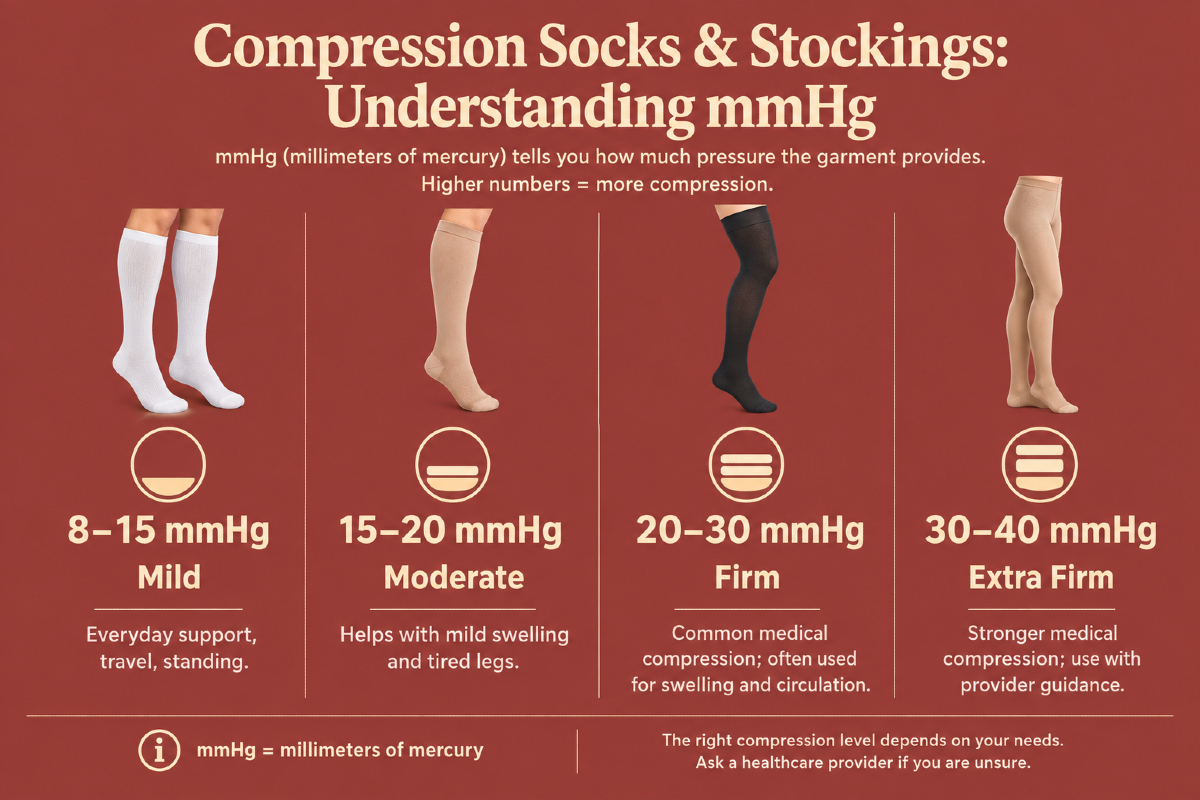
Different levels of compression have their own common uses, but anything above 20-30 mmHg is considered “medical-grade”. If you are using compression that is too loose, you won’t see results or feel relief from the pain. If you are using compression that is too tight, you might cause more damage to your legs, as well as more pain. If you aren’t sure what level is right for you, do research into different socks and consult with your medical team.
Compression Socks: 8–15 mmHg
Primarily used for:
- Everyday comfort
- Reducing minor leg fatigue or soreness
- Prolonged standing or sitting
- Car rides or short flights
These work well as a low-intensity beginner sock for those with mild discomfort or pain.

Compression Socks: 15–20 mmHg
Primarily used for:
- Reducing mild swelling
- Long flights or road trips
- Early stage venous diseases
- Very long periods of sitting or standing
These socks are only one level below medical grade, meant for people who notice swelling in their ankles at the end of the day, or noticeable pain and discomfort.

Compression Socks: 20–30 mmHg
Primarily used for:
- Moderate varicose veins
- Recovery after surgery
- Preventing Deep Vein Thrombosis (DVT)
- Support during pregnancy
These and all levels above are medical-grade compression socks, which should only be bought on advice from your doctor. These apply firmer pressure, helping prevent or stop the spread of venous diseases.

Compression Socks: 30–40 mmHg and Higher
Primarily used for:
- Chronic Venous Insufficiency (CVI)
- Deep Vein Thrombosis (DVT)
- Venous Ulcers
- Orthostatic Hypotension
These are very firm compression socks, meant only for people with fully developed venous diseases. These help reduce swelling and pain in the legs, but it’s important to consult your medical team before using firm compression.
What Compression Level Is Best for Common Needs?
There are several things that could make someone without venous diseases wear compression socks. The simplest reason is to prevent said diseases. You can also use compression socks during/after flights and car rides to reduce swelling or soreness, or to speed up recovery after working out. Many people who work service jobs and stand for long periods wear them to reduce fatigue at the end of their shift.
For the most common reasons to wear compression socks, the pressure needed will be lighter, such as 8-15 or 15-20 mmHg.
What Compression Level is Best for Varicose Veins?
The level needed depends entirely on what stage your varicose veins are in.
Prevention: 8-15 mmHg
Early Symptoms: 15-20 mmHg
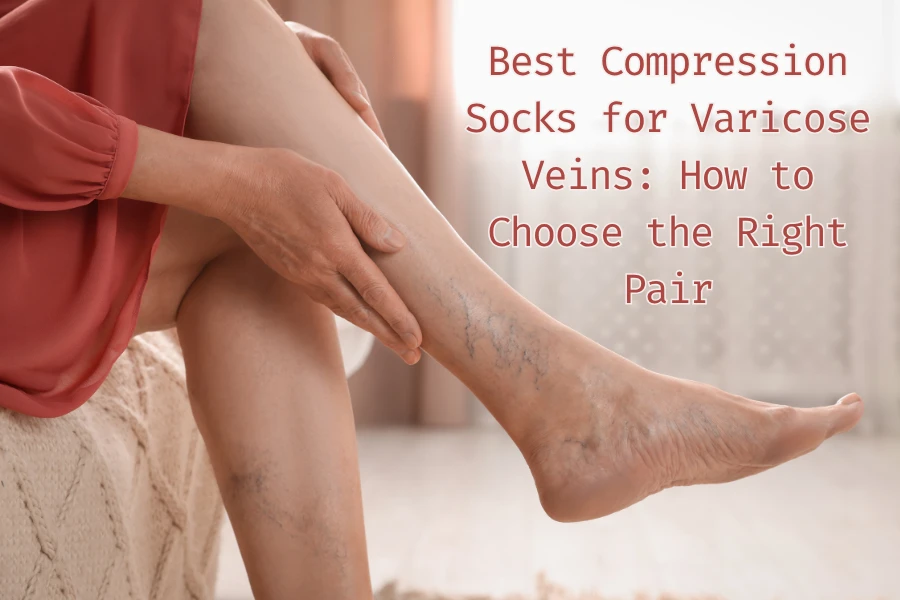
Visible Varicose Veins: 20-30 mmHg
Severe, Painful Varicose Veins: 30-40 mmHg and above
How to Choose the Right Compression Level
Everyone is different, and requires different levels of pressure in different locations to suit their needs. Whether you are recovering after a workout, trying to prevent future venous diseases, have early symptoms of varicose veins, or have swelling in parts of your leg, you’ll need different types, lengths, and tightness levels of compression socks. Make sure to do your own research on what is best for you, or refer to our guides on compression stockings and socks. Always talk to your doctor/medical team and ask what will work best for you.
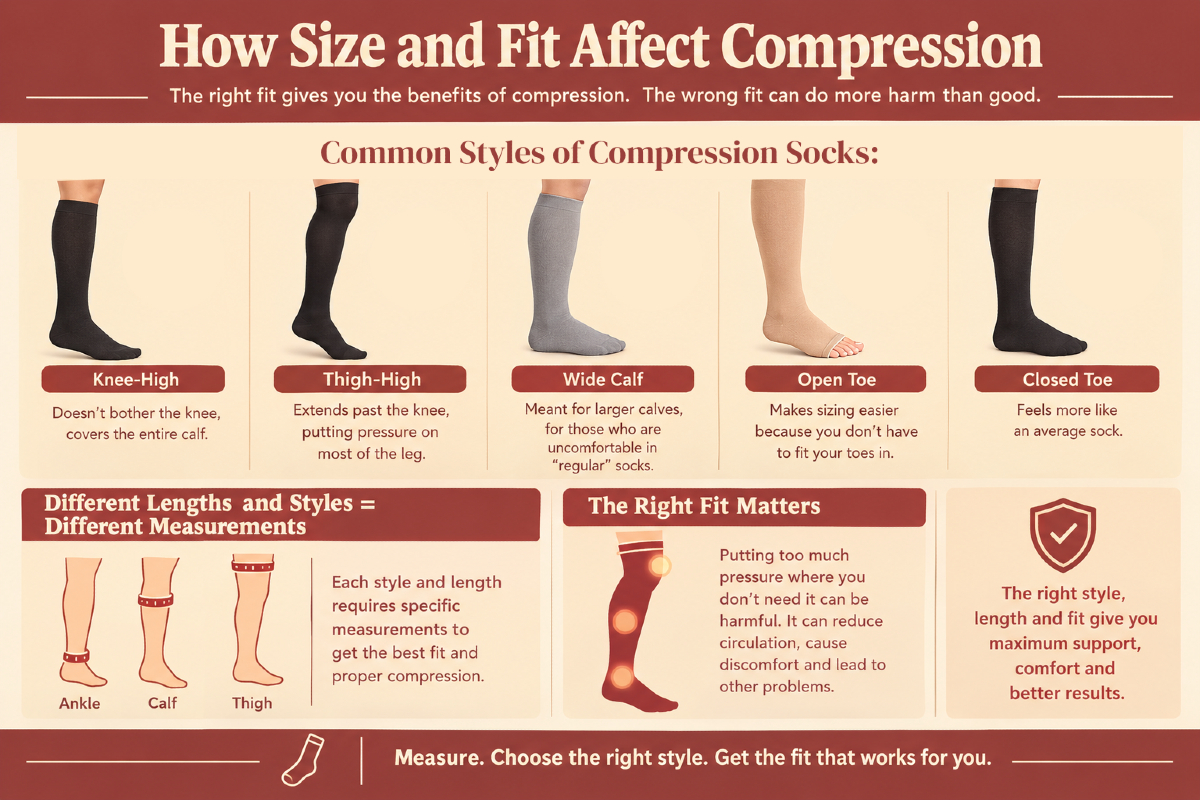
How Size and Fit Affect Compression
Common styles of compression socks and stockings include:
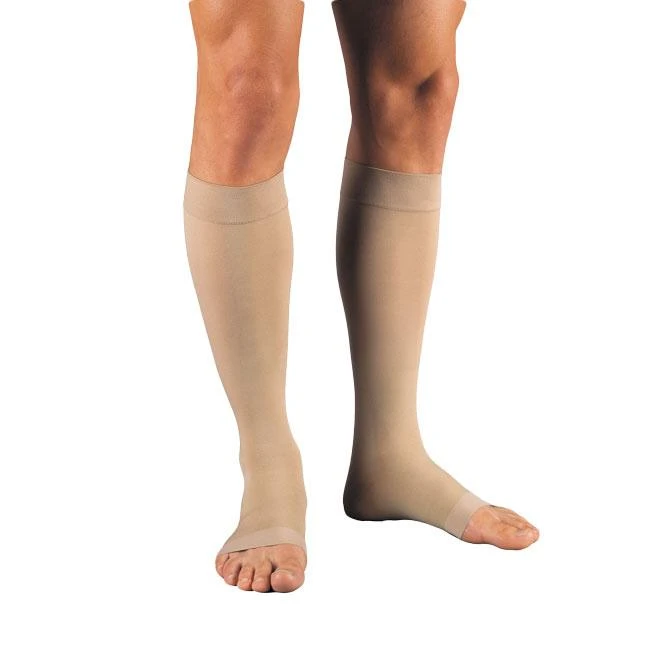
Open Toe - Without having to worry about the fit around the toes, these are much easier to size and often more comfortable to wear.
Closed Toe - These are closer to the feel of a normal sock and give some more padding/comfort around the toes. Sizing needs to be more specific.
Knee-High - These end right below the knee, so it doesn’t apply uncomfortable pressure or restrict the bending of the leg at all.
Thigh-High - These go up most of the thigh, applying pressure to the majority of the leg, greatly improving circulation.
Wide Calf - These are designed for those with wider legs, who feel uncomfortable in regular compression socks.
Different lengths and styles of compression socks require different measurements, and often have different sizing guides. It’s important to make sure you are using the right amount of pressure, with the right size, style, and length of compression sock.

FAQs about Compression Socks
Can I wear one compression sock?
Yes. If you have discomfort, an injury, or other symptoms on only one leg, there is nothing wrong with using one sock. It is important to consult your doctor, as some vein problems can affect both legs but only show symptoms in one.
How many hours should you wear your compression socks?
Compression socks can be worn for about 8-12 hours in a day, or less if you only have mild vein/muscle issues. It’s important to put them on before you get out of bed, when your legs aren’t swelling. Take them off before you go to sleep, since you don’t put pressure on your legs throughout the night.
Who cannot wear compression socks or stockings?
If you have conditions like Severe Peripheral Artery Disease (where the arteries are narrowed), Severe Peripheral Neuropathy (nerve damage that causes numbness), Open wounds, infections, advanced heart failure, or are allergic to the material of the sock, you should not wear compression socks.
What can you do instead of wearing compression socks?
There are multiple alternatives that people use instead of compression socks. Velcro wraps are adjustable and easier to put on/take off, tubular bandages are breathable and offer light support, and pneumatic compression devices inflate sleeves around the leg. Outside of using a product for it, it's recommended to keep your legs elevated above your heart several times a day, go on short walks to help blood flow, or to lower your daily sodium intake.
Does more compression mean better results?
No. The level of compression must match your specific needs. If you have too much compression or compression in the wrong spot, it will cause more issues by creating blood clots, causing pooling, or making your legs sore. Talk to your doctor and do research to find the level best for you.
When Should You Ask a Healthcare Provider About Compression?
There’s several reasons people start wearing compression socks, and it’s important to know when to ask your doctor about them. If these apply to you, talk to your doctor about compression socks:
- Starting a new job where you’ll be standing or sitting for long periods
- Your legs have felt uncomfortable at the end of the day lately
- You notice swelling in your ankles or calves
- Venous diseases are common in your family
Shop Compression Socks and Stockings by Compression Level
The term “mmHg”, seen in the titles and descriptions of compression socks, is the measurement of the amount of pressure in the fabric of the sock, how tight it is. Different levels of compression have their own common uses, and using the wrong type/amount/style of sock can either be unhelpful or cause more damage. You don’t need a venous disease, swelling, or feel pain in your legs to wear compression socks, as they can be used to relieve soreness or prevent future issues. If you want to prevent venous diseases, recover after surgery or exercise, or improve blood flow, shop from our wide selection of compression socks.
Explore Our Newest Medical Guides & Insights
Compression Stockings and Socks Resource Center: FAQs and Related Reading
Compression Socks and Stockings Buying Guide: How to Choose the Right Size and Style
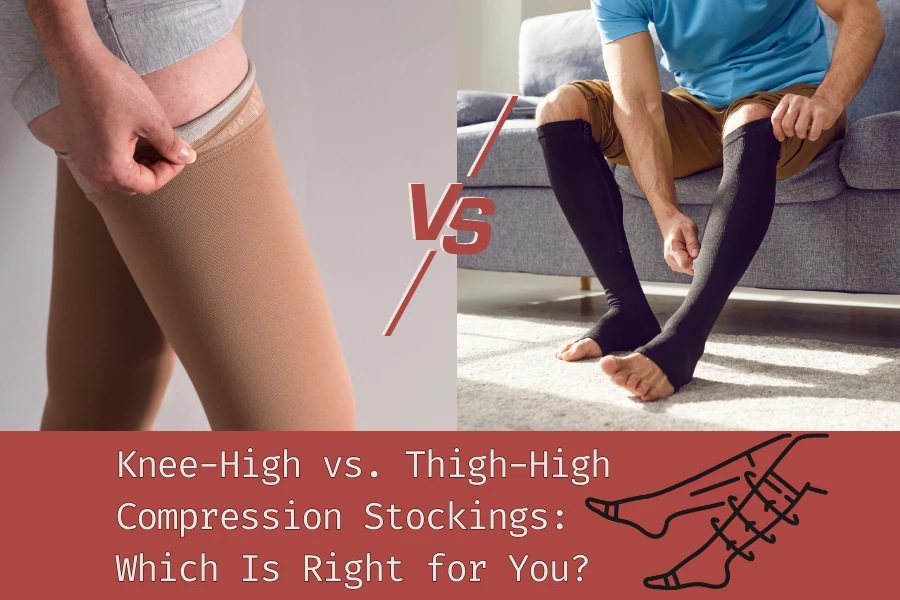
Knee-High vs. Thigh-High Compression Stockings: Which Is Right for You?
What Compression Level Do I Need? Understanding mmHg for Compression Socks
Best Compression Socks for Varicose Veins: How to Choose the Right Pair