Compression Stockings and Socks Resource Center: FAQs and Related Reading
Compression Stockings and Socks Resource Center: FAQs and Related Reading
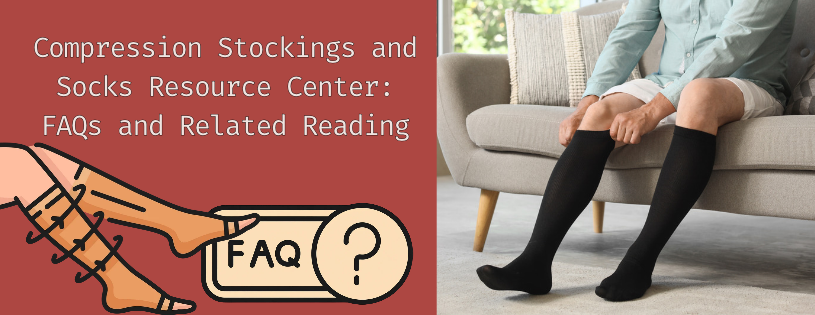

Compression Socks and Stockings FAQs
How do I choose the right compression sock or stocking?
Choosing the right compression sock or stocking depends on your compression level, size, length, and personal needs. Start by determining how much compression you need, then use the manufacturer's sizing chart to select the correct size. You may also need to choose between knee-high, thigh-high, or other styles based on where you need compression.
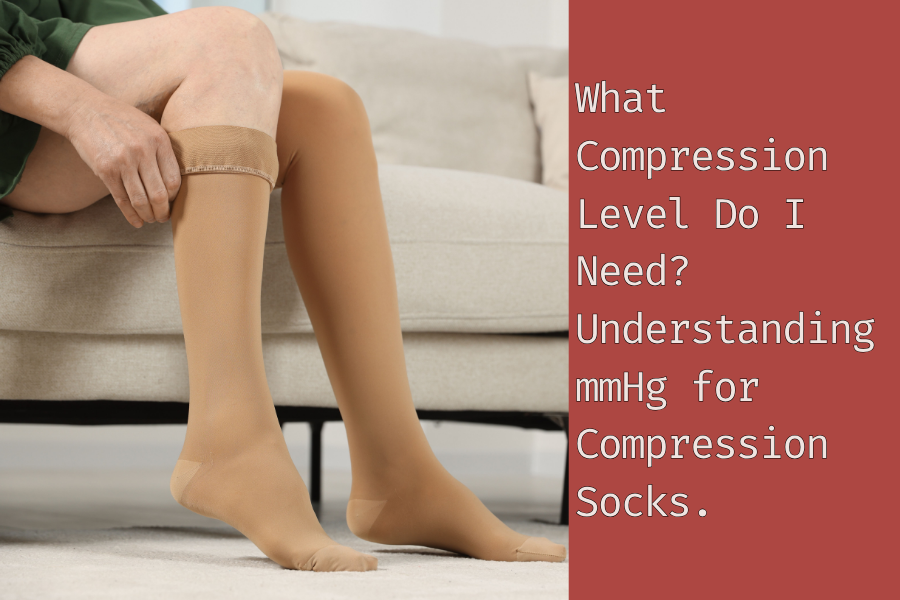
What compression level do I need for compression socks?
Compression levels are measured in millimeters of mercury (mmHg). Mild compression, such as 8–15 mmHg or 15–20 mmHg, may be appropriate for everyday support, while higher levels such as 20–30 mmHg or 30–40 mmHg provide stronger compression. The right level depends on your symptoms and individual needs. If you need medical-grade compression, talk with your healthcare provider about the appropriate level.
How do I know what size compression stockings to buy?
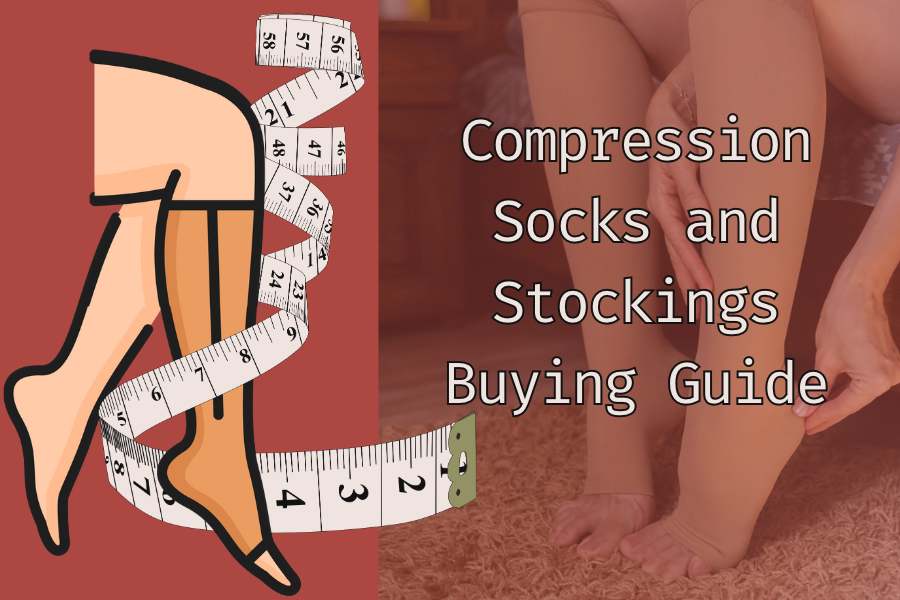
Compression stockings should fit snugly without being painful, excessively tight, or causing numbness. Sizing is typically based on measurements such as ankle circumference, calf circumference, thigh circumference, shoe size, height, or weight, depending on the manufacturer and style. Always check the specific product's sizing chart before ordering.
Are knee-high or thigh-high compression stockings better?
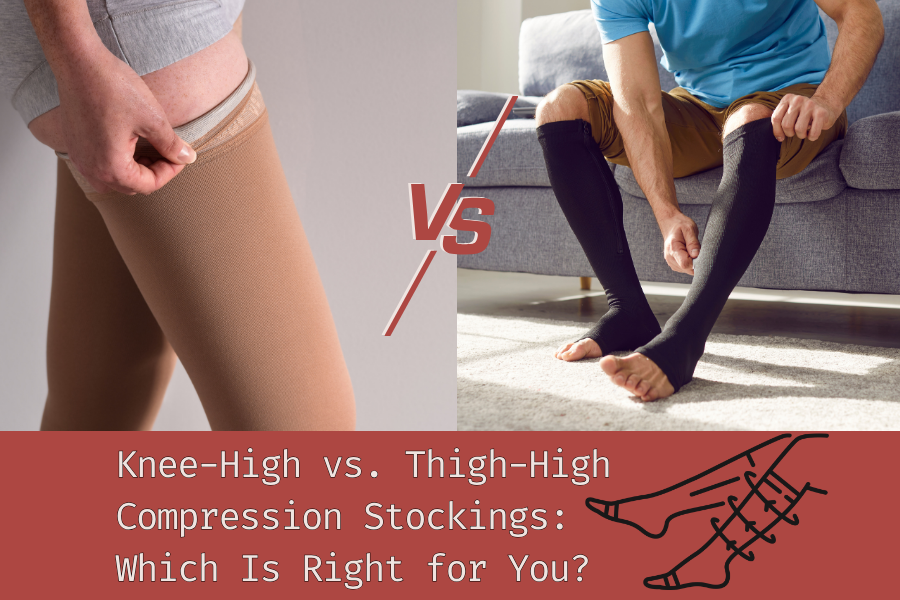
Neither style is universally better. Knee-high compression socks extend below the knee and are a convenient choice when compression is needed primarily around the lower leg. Thigh-high stockings extend farther up the leg and may be appropriate when compression is needed above the knee. Your symptoms, treatment needs, and personal preference can help determine which style is right for you.
What is the difference between compression socks and compression stockings?
Compression socks and stockings both apply graduated pressure to the legs to help support healthy circulation. The main difference is usually their length and coverage. Compression socks commonly extend to just below the knee, while compression stockings may extend to the thigh or waist.
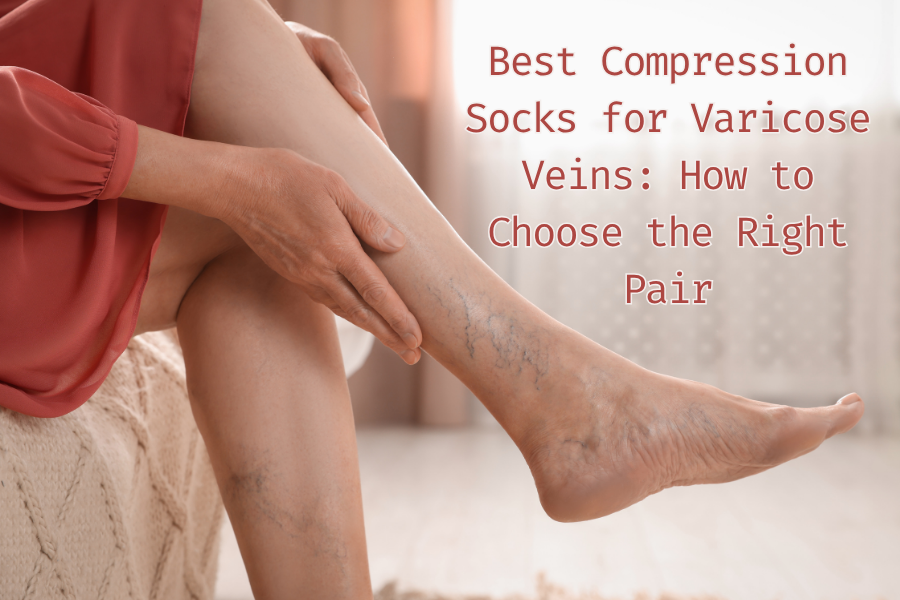
Can compression socks help with varicose veins?
Compression socks can help manage symptoms associated with varicose veins, including leg swelling, aching, and heaviness. They apply graduated pressure to help support blood flow back toward the heart. Compression socks do not remove varicose veins, but they may help make your legs feel more comfortable.
Should compression socks be tight?
Compression socks should feel snug and supportive but should not cause pain, numbness, tingling, or significant discoloration. Proper sizing is important because compression garments that are too loose may not provide adequate support, while those that are too tight may be uncomfortable or difficult to wear.
When should I put on compression socks?
Compression socks are generally easiest to put on in the morning, before significant swelling develops in the legs. Putting them on early can make them easier to apply and may help provide consistent compression throughout the day. Follow your healthcare provider's instructions if you have been prescribed compression therapy.
Can I wear compression socks every day?
Many people wear compression socks every day for ongoing leg support, especially when standing, sitting, traveling, or working for long periods. How long you should wear them depends on the compression level and your individual needs. If compression stockings have been recommended as part of medical treatment, follow your healthcare provider's instructions.
Explore Our Newest Medical Guides & Insights
Compression Stockings and Socks Resource Center: FAQs and Related Reading
Compression Socks and Stockings Buying Guide: How to Choose the Right Size and Style
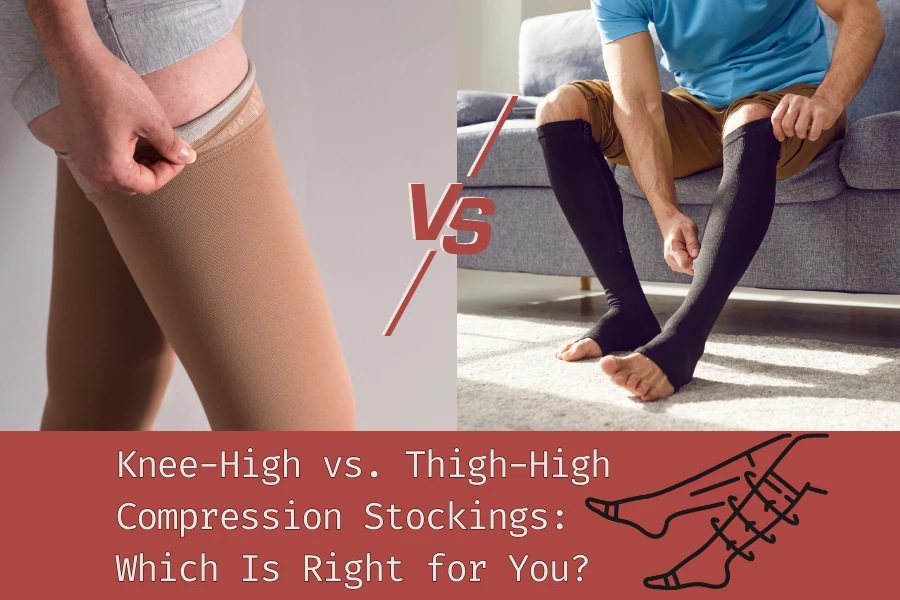
Knee-High vs. Thigh-High Compression Stockings: Which Is Right for You?
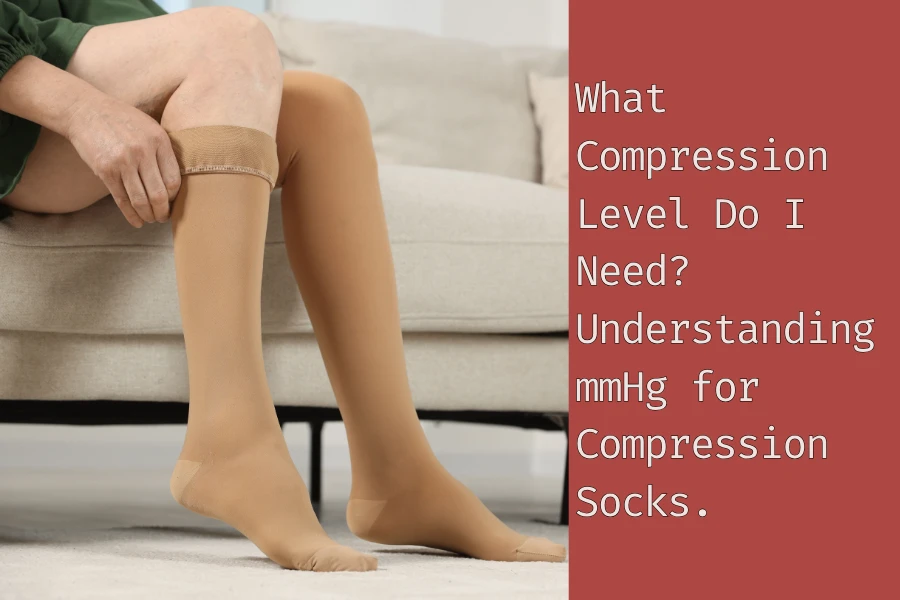
What Compression Level Do I Need? Understanding mmHg for Compression Socks
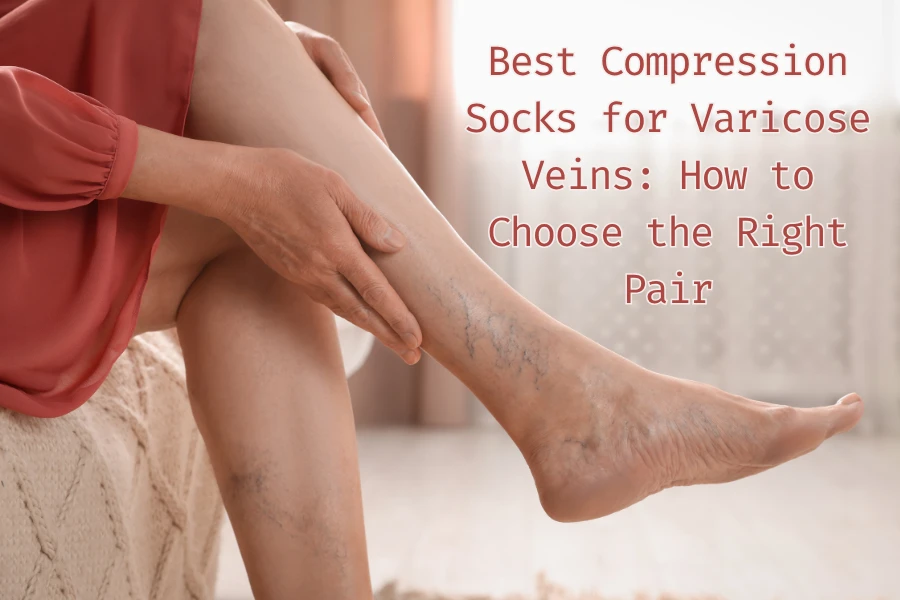
Best Compression Socks for Varicose Veins: How to Choose the Right Pair