Products List
-

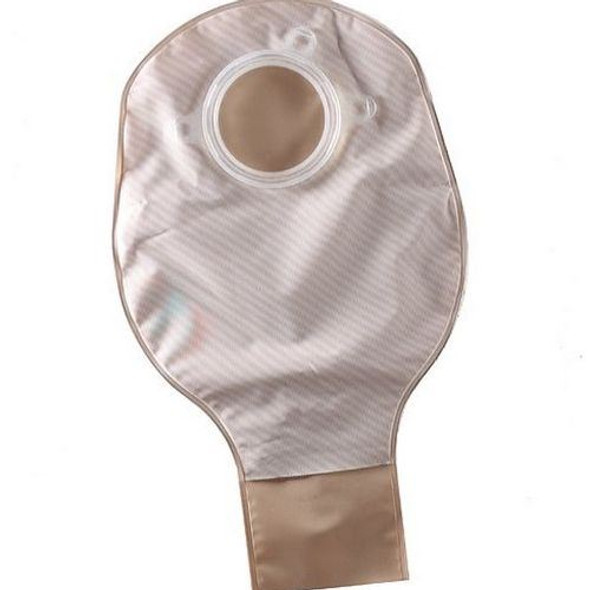
 Sku: 1442Convatec SUR FIT Natura
ConvaTec SUR-FIT Natura - 12" Drainable 2-Piece Ostomy Bag (Two Sided Comfort Panel)
$32.95 - $77.95Opaque pouch with standard tail closureAudibly clicks for increased securityAvailable with or without filterBox of 10 (without filter), box of 20 (with or without filter)ConvaTec SUR-FIT Natura - 12"... -
 Sku: 1441Convatec SUR FIT Natura
ConvaTec SUR-FIT Natura - 10" Drainable 2-Piece Ostomy Bag (Two Sided Comfort Panel)
$32.95 - $55.95Opaque pouch with standard tail closureAudible click secures skin barrier to pouchAvailable with or without filterWorks with ConvaTec Moldable skin barriersConvaTec SUR-FIT Natura - 10" Drainable... -

 Sku: 1669Hollister New Image
Hollister New Image - 12" 2-Piece Drainable Ostomy Bag with Filter (Lock n Roll)
$38.45Drainable pouch with a rustle free odor barrier filmIntegrated filter to eliminate gas build-upComfortWear panels for a soft, cloth-like layer between pouch and skinLock n Roll drainable pouch is... -
 Sku: 1666Hollister New Image
Hollister New Image - 12" 2-Piece Drainable Ostomy Bag (Lock n Roll)
$30.45 - $37.45Lock n Roll closure systemEasy to close, empty, and cleanOdor barrier and rustle-free film layers eliminate odor and pouch noiseBox of 10Hollister New Image - 12" 2-Piece Drainable Ostomy Bag (Lock n... -

 Sku: 1668Hollister New Image
Hollister New Image - 12" 2-Piece Drainable Ostomy Bag
$30.45Drainable pouch with odor-barrier and rustle-free filmComfortWear panels for a soft, cloth-like layer between the pouch and skinProvides comfort, security, and peace of mindBox of 10Hollister New... -

 Sku: 33161ConvaTec Natura Plus
ConvaTec Natura Plus - 2 Piece Closed 8" Ostomy Bag without Filter
$53.95Flange size: 1 1/2", 1 3/4", 2 1/4", 2 3/4" Natura + Made with soft and quiet materials Pouch length: 8" Single use, closed end pouch Opaque w/Easy-view window This pouch does not have a filter 30... -
 Sku: 3982Coloplast Sensura Mio Click
Coloplast SenSura Mio Click - 2 Piece Maxi Drainable Ostomy Bag
$28.95 - $30.45Fits right and feels right with an audible click closureNeutral colored textile goes unnoticed under all clothing colorsFlexible coupling ring for reduced ballooning and added comfortBox of... -
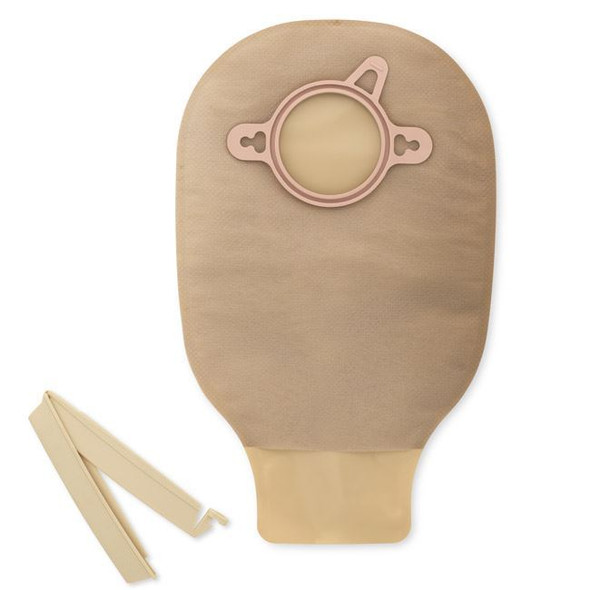
 Sku: 1670Hollister New Image
Hollister New Image - 9" 2-Piece Drainable Ostomy Bag (Mini)
$30.45Water friendly mini ostomy pouchOdor barrier and rustle free filmComfortWear panels on both sides of drainable pouchBox of 10Hollister New Image - 9" 2-Piece Drainable Ostomy Bag (Mini) is a... -

 Sku: 1443Convatec SUR FIT Natura
ConvaTec SUR-FIT Natura - Drainable 2-Piece Ostomy Bag (One Sided Comfort Panel)
$32.95 - $55.95Quiet, odor proof comfort panelWorks with ConvaTec moldable skin barrierTransparent or opaque2 tail closures per boxTransparent box of 10 or box of 20. Opaque box of 20 onlyConvaTec SUR-FIT Natura -... -
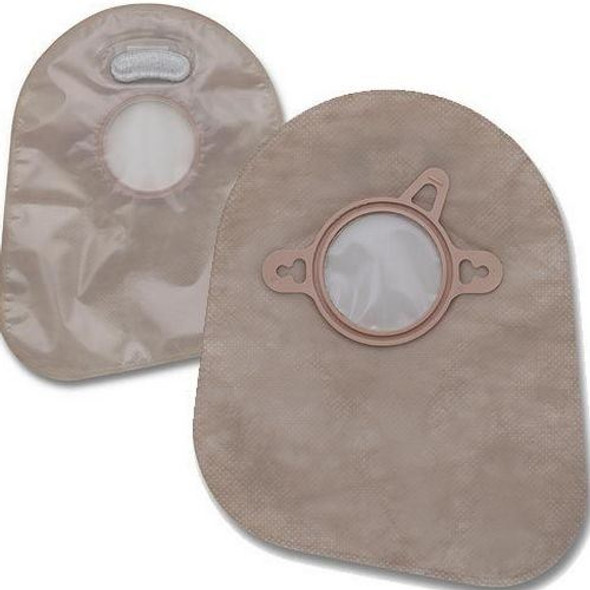 Sku: 3008Hollister New Image
Hollister New Image - 7" 2-Piece Closed Ostomy Mini-Pouch with Filter
$119.45This ostomy bag has a filterOstomy supplies with AF300 filterComfortWear panels for added comfort and more discretionRustle free odor barrier filmBox of 60Hollister New Image - 7" 2-Piece Closed... -

 Sku: 4255ConvaTec Natura Plus
ConvaTec Natura Plus - Drainable 2-Piece Ostomy Bag with Filter (InvisiClose Tail)
$39.95 - $45.45Natura + Flange size: 1 3/4", 2 1/4", 2 3/4" InvisiClose tail closure for quick easy draining of pouch Drainable pouch works with Sur-Fit Natura two-piece ostomy wafers Box of 10 ConvaTec Natura +... -
 Sku: 1673Hollister New Image
Hollister New Image - 9" 2-Piece Closed Ostomy Bag with Filter
$119.45Ostomy supplies featuring integrated filter to eliminate gas build-upClosed pouch with odor barrier and rustle free film to help prevent odor and noiseHollister ostomy pouch has ComfortWear panels... -
 Sku: 3987Coloplast Sensura Mio Click
Coloplast SenSura Mio Click - 2 Piece Maxi Closed Ostomy Bag
$59.95Closed pouch length: 8 1/4"New neutral gray textile material blends easily under most fabric colorsAudible click when pouch and barrier combines provides comfort and securityBox of 30Coloplast... -

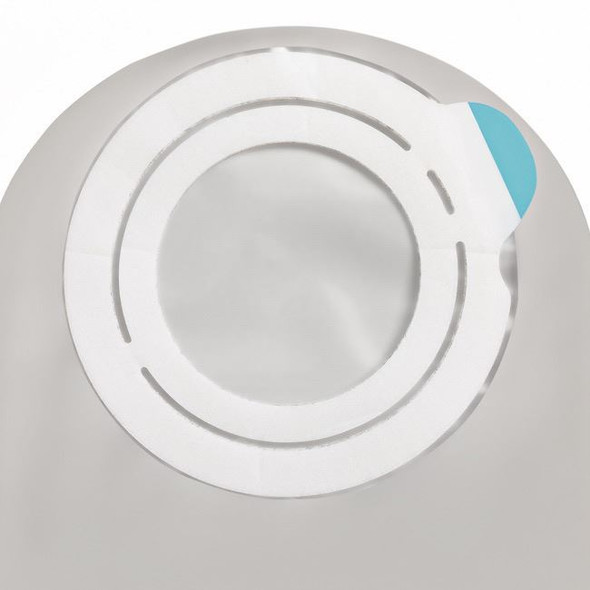 Sku: 3971Coloplast Sensura Mio
Coloplast SenSura Mio Flex - Drainable 2-Piece Maxi Transparent Ostomy Bag
$28.95 - $38.45Elastic barrier to fit real body shapes and skin foldsEasi-Close wide outlet for added security and movementLarger full circle filter to reduce ballooning for added comfortSenSura Mio fits right and... -
 Sku: 3894ConvaTec Natura Plus
ConvaTec Natura + Drainable 2-Piece Ostomy Bag | Two Sided Comfort Panel
$29.45 - $34.95Natura + Available in transparent and opaque Flange size: 1 3/4", 2 1/4", 2 3/4" Quiet, odor proof two sided comfort panel InvisiClose tail closure for quick easy draining of pouch ConvaTec Natura... -
 Sku: 4139ConvaTec Natura Plus
ConvaTec Natura Plus - 2 Piece Closed Ostomy Bag with Filter
$65.45Natura +Flange size: 1 3/4", 2 1/4", 2 3/4"Pouch length: 8"Single use, closed end pouch2 sided opaque comfort panelIncludes filter with anti-clogging film layerBox of 30ConvaTec Natura Plus - 2 Piece... -

 Sku: 3783Coloplast SenSura
Coloplast SenSura Click - Drainable 2-Piece Ostomy Bag Maxi with Easi-Close Wide Outlet, Filter
$67.45New Wave Filter includedThe click tells you it is locked securelyAvailable in both transparent and opaque pouch stylesImproved Easi-Close Wide Outlet with easy to clean material and closing indentBox... -
 Sku: 1452Convatec Little Ones
ConvaTec Little Ones - Drainable 2-Piece Ostomy Bag
$22.95Audibly locks to skin barrier Tail clip included for secure closure Ostomy supplies that fit smaller body contours ConvaTec Little Ones - Drainable 2-Piece Ostomy Bag fit smaller bodies with ease... -
 Sku: 4319Coloplast Sensura Mio Click
Coloplast SenSura Mio Click - 2 Piece Midi Closed Ostomy Bag
$59.95Closed pouch length: 7 1/4"New neutral gray textile material blends easily under most fabric colorsAudible click when pouch and barrier combines provides comfort and securityColoplast SenSura Mio... -
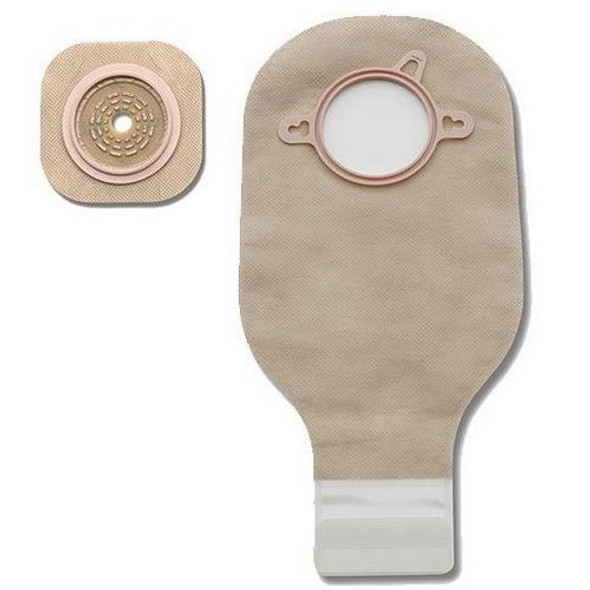 Sku: 3009Hollister New Image
Hollister New Image - Colostomy/Ileostomy Flexwear Kit
$60.45Designed for extended wearLock n Roll closure offers a simple and secure closureIdeal for colostomies, ileostomies, and post operative useEasy to use, empty, and cleanBox of 5Hollister New Image -... -
 Sku: 1459Convatec SUR FIT Natura
ConvaTec SUR-FIT Natura - 12" Drainable 2-Piece High Output Ostomy Bag
$34.95 - $35.45Wide tail closureAnti-reflux filterOpaque pouch with single sided comfort panelConvaTec SUR-FIT Natura - 12" Drainable 2-Piece High Output Ostomy Bag is a high output pouch that evenly distributes... -

 Sku: 1325Coloplast Assura
Coloplast Assura - 11 1/4" Drainable 2-Piece Ostomy Bag (Maxi)
$35.95Delivers comfort and securitySoft, absorbent backing keeps skin dryIncludes 5 pouch clampsColoplast Assura - 11 1/4" Drainable 2-Piece Ostomy Bag (Maxi) features Assura's unique locking system for a... -
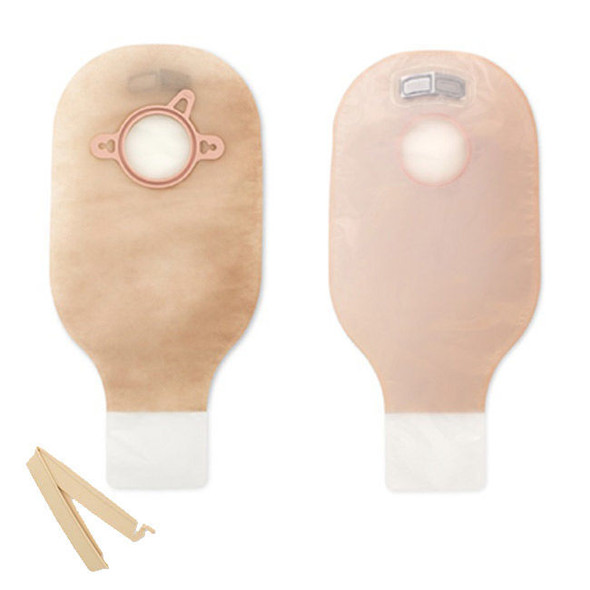
 Sku: 1667Hollister New Image
Hollister New Image - 12" 2-Piece Drainable Ostomy Bag with Filter
$38.45Integrated filter to eliminate gas build-upDrainable pouch with odor-barrier and rustle free filmComfortWear panels for a soft, cloth-like layer between the pouch and skinHollister New Image - 12"... -
 Sku: 4460Coloplast Assura
Coloplast Assura - 9 1/4" Drainable 2-Piece Ostomy Bag (Mini)
$36.45Box of 10Odor control filterEasiclose Locking systemOpaque 9 1/4" long pouchColoplast Assura - 9 1/4" Drainable 2-Piece Ostomy Bag (Mini) is a soft, double-sided pouch with Easiclose outlet. Each... -
 Sku: 4318Coloplast Sensura Mio Click
Coloplast SenSura Mio Click - 2 Piece Midi Drainable Ostomy Bag
$30.45Fits right and feels right with an audible click closureNeutral gray textile that makes the Mio so popularFlexible coupling ring for reduced ballooning and added comfortColoplast SenSura Mio Click -... -
 Sku: 32463Coloplast Sensura Mio
Coloplast SenSura Mio Flex - Drainable 2-Piece Maxi Opaque Ostomy Bag
$38.4511" ostomy bagInspection windowEasiClose wide outletFlexible flange couplingColoplast SenSura Mio Flex - Drainable 2-Piece Maxi Opaque Ostomy Bag features a strong adhesive coupling system that fits... -
 Sku: 1454Convatec Little Ones
ConvaTec Little Ones - Closed 2-Piece Ostomy Bag
$31.45Works in waterClicks securely into placeDisposable, single use ostomy pouchOpaque with two-sided comfort panelConvaTec Little Ones - Closed 2-Piece Ostomy Bag is discreet and forms to the unique... -
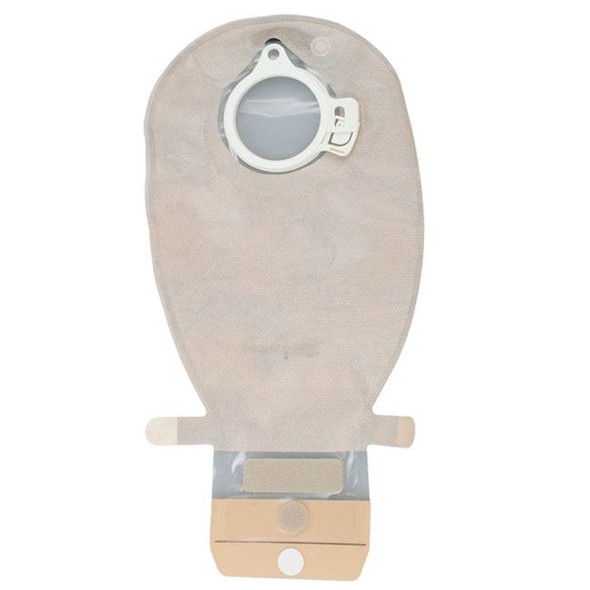
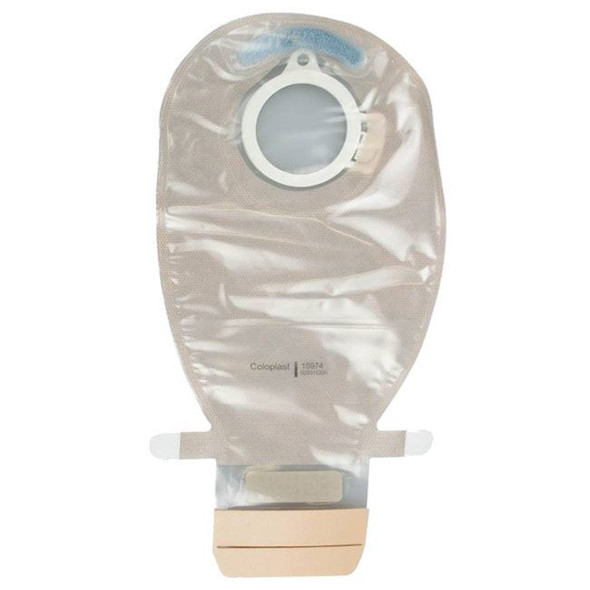 Sku: 1344Coloplast Assura
Coloplast Assura EasiClose - 11 1/2" Drainable 2-Piece Ostomy Bag with EasiClose Wide Outlet (Maxi)
$36.45Clip-less closureExtra wide outletBuilt-in filter eliminates odorDescrete, low profile designSlick interior coating makes emptying faster and easier Coloplast Assura EasiClose - 11 1/2" Drainable... -
 Sku: 3776Hollister New Image
Hollister New Image - High Output Ultra-Clear Drainable Pouch
$65.45 - $78.75This is a two piece ostomy system that requires New Image ostomy waferSoft tap sprout is easy to use and soft on the skinSuperior odor control and see through area to easily check stomaEliminates... -
 Sku: 4189Hollister New Image
Hollister New Image - 7" 2-Piece Closed Ostomy Bag Mini-Pouch
$54.45This ostomy bag does not have a filterRustle free odor barrier film7" closed pouch with CenterPointLock systemComfortWear panels on both sides for added comfort and discretionHollister New Image - 7"... -

 Sku: 32448Convatec SUR FIT Natura
Sur Fit Natura - 10" Drainable 2-Piece Ostomy Bag with Filter and Two Sided Comfort Panel
$77.95Snap on, snap off designAudible "click" for a secure ostomy flange connectionOpaque pre-cut pouch with filterTail clip closureSur Fit Natura - 10" Drainable 2-Piece Ostomy Bag with Filter and Two... -

 Sku: 3845Convatec SUR FIT Natura
ConvaTec SUR-FIT Natura - Drainable 2-Piece Ostomy Bag w/Filter (One Sided Comfort Panel)
$43.95Clicking mechanism for securityTransparent pouch with comfort panelInvisiclose outlet Built in filterConvaTec SUR-FIT Natura - Drainable 2-Piece Ostomy Bag w/Filter (One Sided Comfort Panel) ... -
 Sku: 1510Cymed Ostomy
Cymed MicroSkin Platinum - 11" Drainable Two-piece Ileostomy Bag
$38.95MicroSkin adhesive barrierNo hard rings, for added comfortPouch releases from the bottom for ease in cleaningCymed MicroSkin Platinum - 11" Drainable Two-Piece Ileostomy Bag is a universally... -

 Sku: 3975Coloplast Sensura Mio
Coloplast SenSura Mio Flex - 2-Piece Opaque Closed Ostomy Bag
$55.45Opaque with an inspection windowFabric-like materialBuilt in filterDisposable ostomy bagBox of 30Coloplast SenSura Mio Flex - 2-Piece Opaque Closed Ostomy Bag is made of a neutral gray material and... -
 Sku: 4256ConvaTec Esteem Synergy
ConvaTec Esteem Synergy - 12" 2-Piece Drainable Ostomy Bag with Filter (InvisiClose Tail)
$44.95 - $51.95Easy to apply and easy to removeIncludes filter and InvisiClose Tail closureAdhesive coupling technology, features landing zone, no plastic ringsConvaTec Esteem Synergy - 12" 2-Piece Drainable Ostomy... -
 Sku: 32434Convatec SUR FIT Natura
ConvaTec SUR-FIT Natura - 14" Drainable 2-Piece Ostomy Bag
$34.9514" length, 4" flange Clip closure Drainable pouch with one sided comfort panel Day or night extended wear Works with SUR-FIT ostomy wafers ConvaTec SUR-FIT Natura - 14" Drainable 2-Piece Ostomy... -
 Sku: 3904Coloplast Assura
Coloplast Assura - 10 1/2" Drainable 2-Piece Ostomy Bag (Midi)
$36.45Soft cloth on both front and back of pouchOdor control filterEasiclose Locking systemColoplast Assura - 10 1/2" Drainable 2-Piece Ostomy Bag (Midi) is an graphic sided pouch with Easiclose outlet... -
 Sku: 1460Convatec SUR FIT Natura
ConvaTec Natura Plus - 2 Piece Closed Mini Ostomy Bag with Filter
$53.956" ostomy bag with filter Comfortable fabric like feel No draining or tail clip required Easy to wear and change Opaque with an easy-view window Can be used while swimming or bathing 30 ostomy... -

 Sku: 1322Coloplast Assura
Coloplast Assura - 7" Closed 2-Piece Ostomy Bag (Mini)
$73.95Filter protects against odorsAbsorbent fabric backing keeps skin dry and comfortableSecure Assura locking system provides confidenceColoplast Assura - 7" Closed 2-Piece Ostomy Bag includes a filter... -
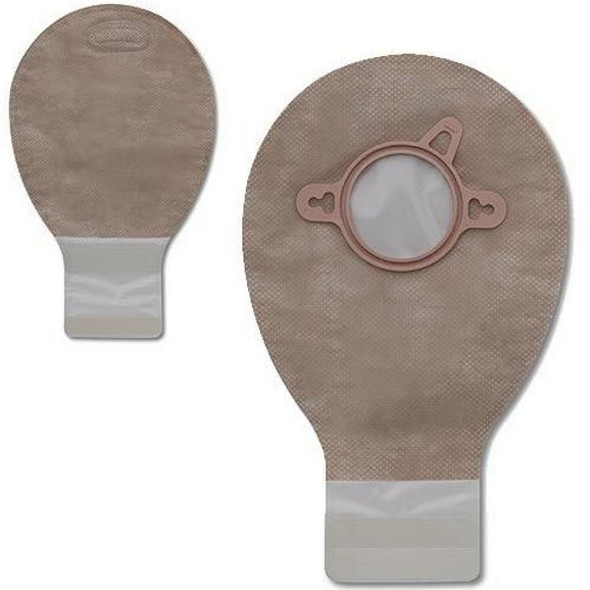 Sku: 3506Hollister New Image
Hollister New Image - 7" 2-Piece Drainable Lock n' Roll Mini Pouch
$76.95Integrated filterOdor-barrier and rustle free filmLock n' Roll closure (roll three times and seal)ComfortWear panels on both sides of the drainable pouchHollister New Image - 7" 2-Piece Drainable...