Urostomy and Staying Hydrated

When the air gets chilly, a pumpkin spice latte sounds better than grabbing another water bottle. Crisp air, campfires, and sweaters make it easy to forget to drink enough water. Everyone needs to drink water; most doctors recommend at least 8 glasses of water every day, even when the weather is cold. When you have a urostomy, it is even more important that you drink plenty of water.
People with a urostomy no longer have a bladder for urine. Urine should flow from the stoma as fast as the kidneys can make it. If you go one hour without any drainage from your stoma, that is definitely cause for concern. The reason that you need to drink plenty of water is the distance from the stoma to the kidneys is much shorter than it was between your bladder and your kidneys. Kidney infection can happen quickly and the more hydrated you are, the less issues you should have. Another important step is wearing clean urostomy appliances and making sure to empty them often.
All ileal conduits normally produce mucus threads in the urine which give it a cloudy appearance. So urine that looks cloudy is normal and expected. However, bloody urine is not a good sign and should be dealt with right away by alerting your doctor. Be on the look out for signs of kidney infection and stay hydrated.
These are the signs of a kidney infection:
- Elevated temperature
- Chills
- Low back pain
- Bloody urine
- Decreased urine output
Remember that if urine is needed for urinalysis, you must use a sterile sample. Make sure your doctor and nurse remember that a sterile specimen must be taken directly from your stoma and not from the pouch. Bacteria build up so fast inside the pouch that it can easily lead to false test results.
Taking a sterile sample is just a few simple steps:
- Remove your pouch
- Clean the stoma
- Bend over
- Catch the urine in a sterile cup
If the flow of urine is slow, drink a couple of glasses of water and let your kidneys work.
Personally, this is my favorite time of year; I love the changing leaves and the cold air. Grab those pumpkin spice lattes, throw on a cardigan, and curl up with a great book and most importantly, don't forget to drink plenty of water.
Explore Our Newest Medical Guides & Insights

Compression Socks and Stockings Buying Guide: How to Choose the Right Size and Style

Knee-High vs. Thigh-High Compression Stockings: Which Is Right for You?
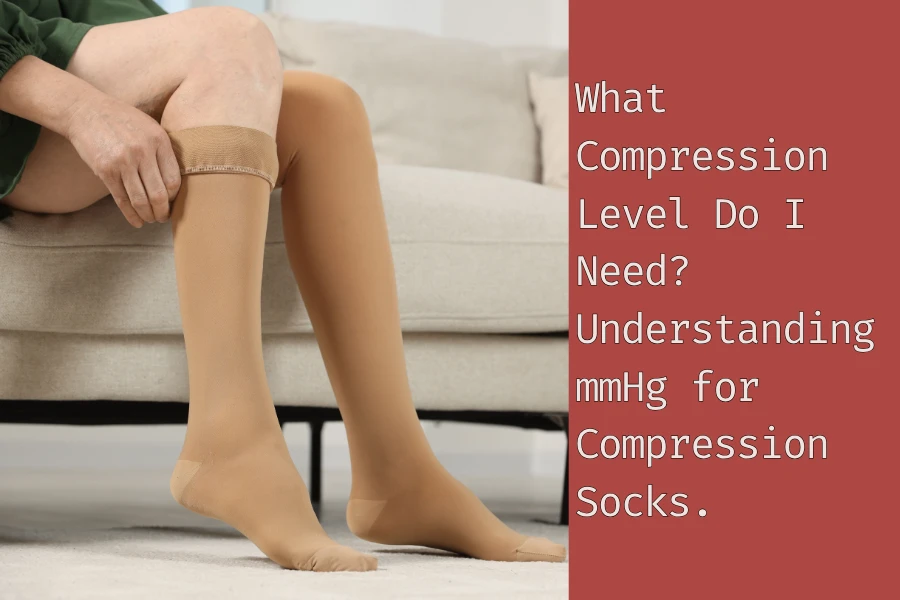
What Compression Level Do I Need? Understanding mmHg for Compression Socks

Best Compression Socks for Varicose Veins: How to Choose the Right Pair
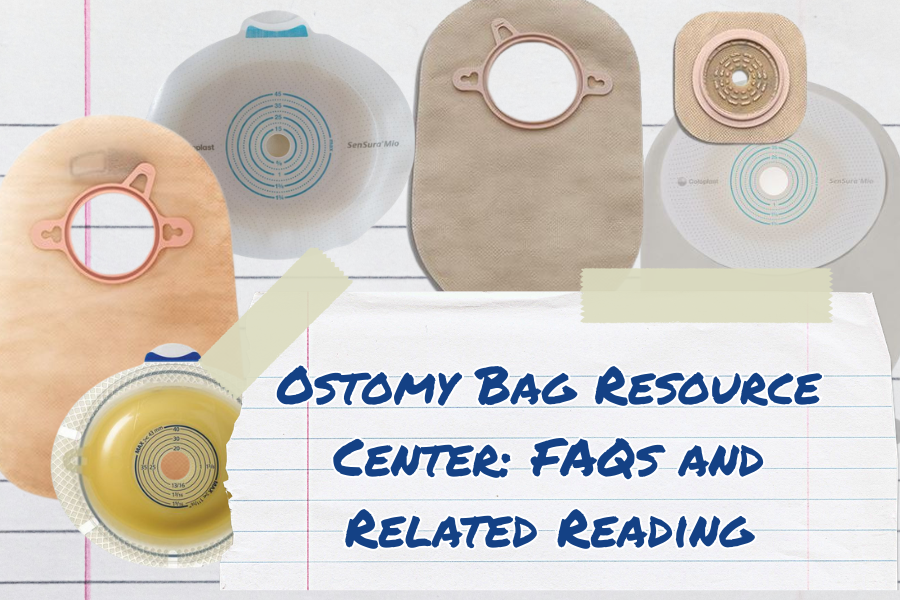
Ostomy Bag Resource Center: FAQs and Related Reading