Foley Catheter Guide: Uses, Sizes, Care, and How to Choose the Right Catheter

Foley Catheter Guide: Uses, Sizes, Care, and How to Choose the Right Catheter
Foley catheters are used in many areas of care and can support bladder drainage after surgery or during treatment for urinary retention or when longer-term bladder management is needed. Because they are often part of ongoing medical care, patients and caregivers benefit from clear information about their purpose and daily use. Understanding the basics can make Foley catheter care easier to follow and help support safer decisions about comfort maintenance and supply selection.
Foley Catheters: At a Glance
How long can a Foley catheter stay in?
A Foley catheter may stay in place for several days or several weeks depending on the patient's condition and the catheter material. Long-term Foley catheters are often changed about every 4 to 12 weeks under medical guidance and should not be removed by the patient unless a clinician says to do so.
Does a Foley catheter hurt?
Insertion may cause brief discomfort, but lubrication and numbing gel are often used to make placement easier. After it is in place, many patients adjust quickly though mild irritation can still happen.
Can you walk around with a Foley catheter?
Yes, many people can walk and move around with a Foley catheter during normal daily activity. A leg drainage bag often makes this more comfortable and easier to manage.
How do you care for a Foley catheter at home?
Daily care includes washing hands before handling the catheter, cleaning the area regularly, and keeping the drainage bag below bladder level. Good hygiene and proper drainage help lower the risk of infection and flow problems.
What is the difference between a Foley catheter and a regular catheter?
A Foley catheter is an indwelling catheter that stays in place with a small balloon inside the bladder. A straight catheter is inserted to drain urine and then removed right away.
What is a Foley Catheter?
A Foley catheter is a type of indwelling urinary catheter used to drain urine from the bladder when normal urination is not possible or when ongoing drainage is medically necessary. It is a thin flexible tube made from materials such as latex or silicone, and it is inserted through the urethra into the bladder.
What makes a Foley catheter different from a straight catheter is the small balloon near the tip. Once the catheter is in the correct position, the balloon is filled with sterile water to help hold it in place inside the bladder. Urine then drains through the catheter tubing into a collection bag, which should stay below bladder level to support steady flow during the day and while sleeping.
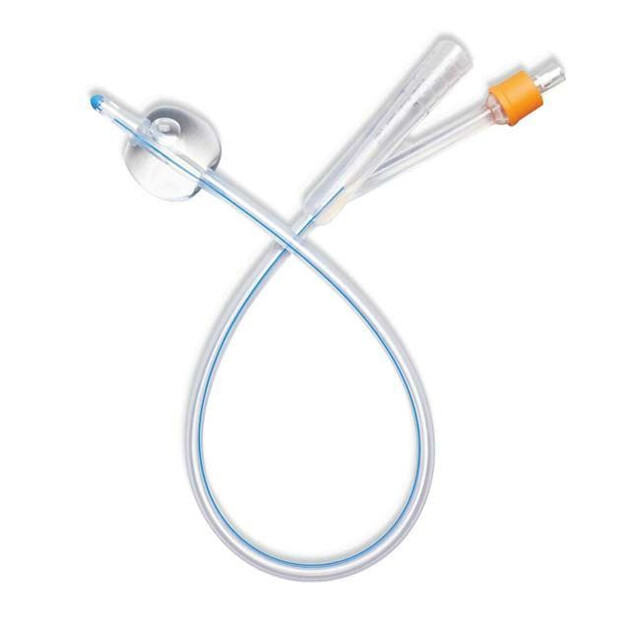 Most standard Foley catheters are 2-way catheters, like the Medline - SelectSilicone 100 Percent Silicone 2-Way Foley Catheter. One channel allows urine to drain into the collection bag, and the second channel is used to inflate the retention balloon. A 3-way Foley catheter has those same two channels plus a third channel that allows bladder irrigation when needed, but that type is used for more specific clinical situations and is not the standard option for most routine Foley catheter use.
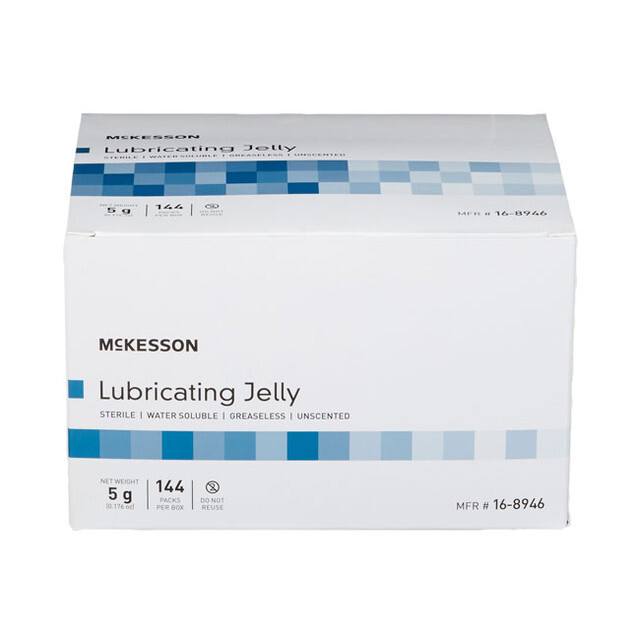 Foley catheter placement is usually done by a healthcare provider. The process generally includes cleaning the genital area, using lubricant like McKesson's Sterile Lubricating Jelly - 5g Packets or numbing gel, inserting the catheter until urine begins to drain, and then inflating the balloon with sterile water to secure it. After placement, the tubing and drainage bag are usually supported with straps or other securement methods so there is less pulling and more comfort during movement. If a user needs longer-term Foley catheterization, doctors may instruct them to insert the catheter themselves, but never do this without discussing it with a healthcare professional.
Because a Foley catheter remains in place for continuous bladder drainage, regular care is important. Handwashing, routine cleaning of the catheter tubing and drainage system, proper bag emptying, and timely catheter changes all help support safe use and reduce drainage problems.
Why Are Foley Catheters Used?
Foley catheters are used when the bladder needs steady drainage and normal bathroom use is not possible or not safe enough for the patient's condition. Because the catheter stays in place, it can drain urine continuously instead of needing to be inserted each time the bladder needs to be emptied.
The most common reason for Foley catheter use is urinary retention. When the bladder cannot empty on its own, urine builds up and can cause pressure, pain, and other problems. A Foley catheter helps treat urinary retention by allowing urine to drain from the bladder on an ongoing basis.
Foley catheters are also often used after surgery. Some procedures can temporarily affect bladder function or make it hard for a patient to get up and use the bathroom safely. In those cases, the catheter helps keep the bladder drained during recovery.
In hospitals, Foley catheters may be used to monitor urine output closely. Measuring urine volume can give healthcare providers useful information about hydration, kidney function, and a patient's overall condition. This is especially important when accurate output is part of treatment decisions.
Foley catheters can also help patients with mobility limitations that make bathroom access difficult. When walking to the bathroom is unsafe, painful, or not practical, a Foley catheter can provide a more manageable way to handle bladder drainage until the patient improves or a longer-term care plan is in place.
Foley Catheter Sizes and Types
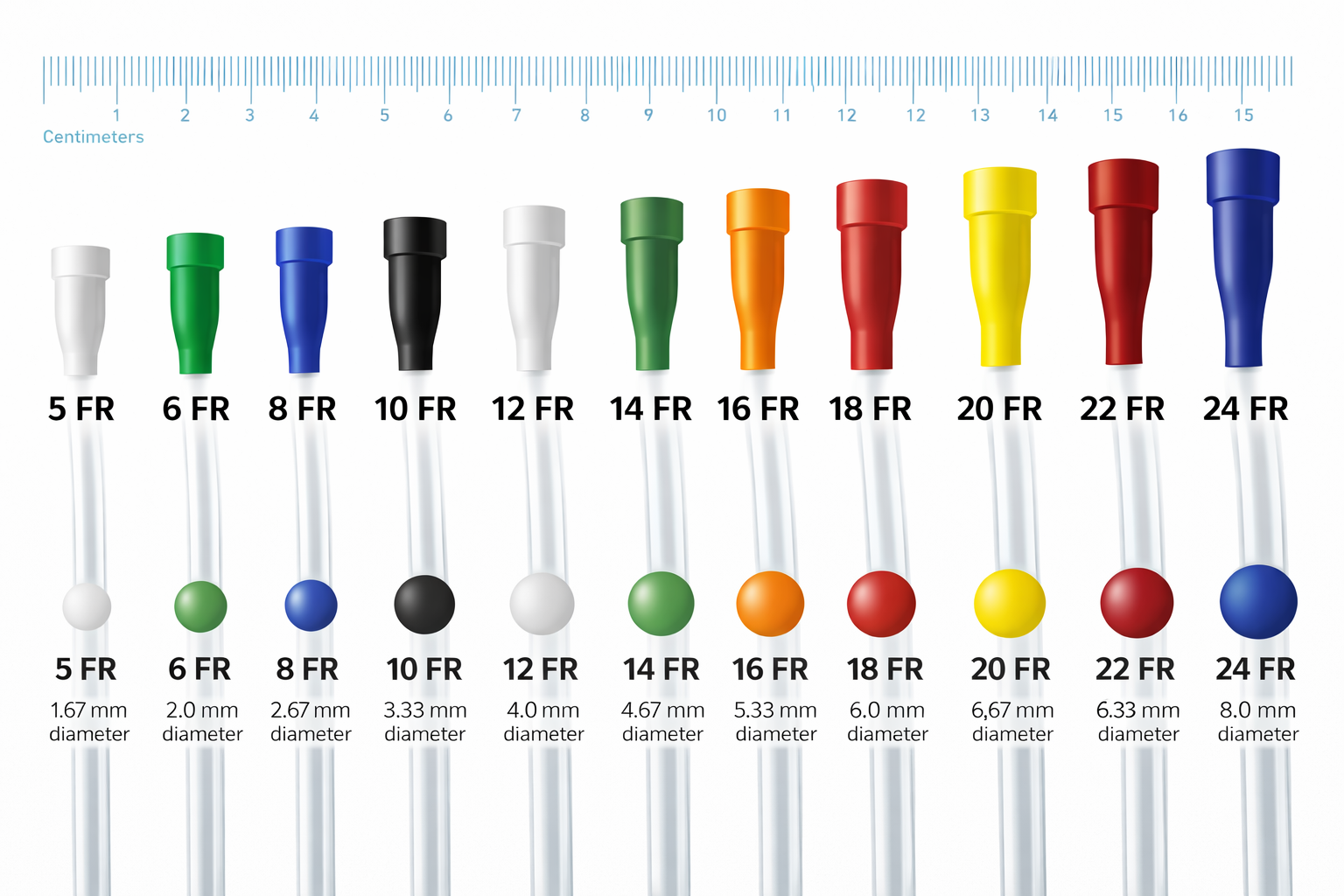
Foley catheter size is measured in French units, written as Fr. The French size refers to the outside diameter of the catheter, so a higher number means a wider catheter. Common adult Foley catheter sizes usually range from 14Fr to 18Fr, while pediatric sizes are smaller. Balloon capacity is listed separately and commonly includes 5cc, 10cc, and 30cc options depending on the catheter and its intended use.
Foley Catheter Size Chart
| French Size | Approx. Diameter | Typical Range | Visual Size Difference |
|---|---|---|---|
| 8Fr | 2.7 mm | Smaller / pediatric | |
| 10Fr | 3.3 mm | Smaller / pediatric | |
| 12Fr | 4.0 mm | Smaller adult / pediatric | |
| 14Fr | 4.7 mm | Common adult size | |
| 16Fr | 5.3 mm | Common adult size | |
| 18Fr | 6.0 mm | Common adult size |
| Balloon Capacity | General Use | Visual Capacity Difference |
|---|---|---|
| 5cc | Smaller balloon size | |
| 10cc | Common standard capacity | |
| 30cc | Larger capacity for specific clinical needs |
Common Foley Catheter Materials
Foley catheters are commonly made from latex, silicone, or coated materials, and the material affects comfort, flexibility, wear time, and sensitivity. This is one of the most important details to understand when comparing common Foley catheter sizes and types.
Latex Foley catheters are soft and flexible, which is one reason they are widely used. They are often a practical choice for short-term catheter use, but they are not appropriate for patients with a latex allergy and may also be less comfortable for some patients with latex sensitivity.
Silicone Foley catheters are latex-free and are often preferred when longer-term catheter use is expected. They are also an important option for patients with latex allergy concerns, and they are commonly chosen when material tolerance is a priority.
Latex is usually known for softness and flexibility while silicone is often preferred for longer wear time and allergy concerns. Silicone is the better choice for patients with latex sensitivity, while latex may still be used when no sensitivity is present and short-term use is appropriate.
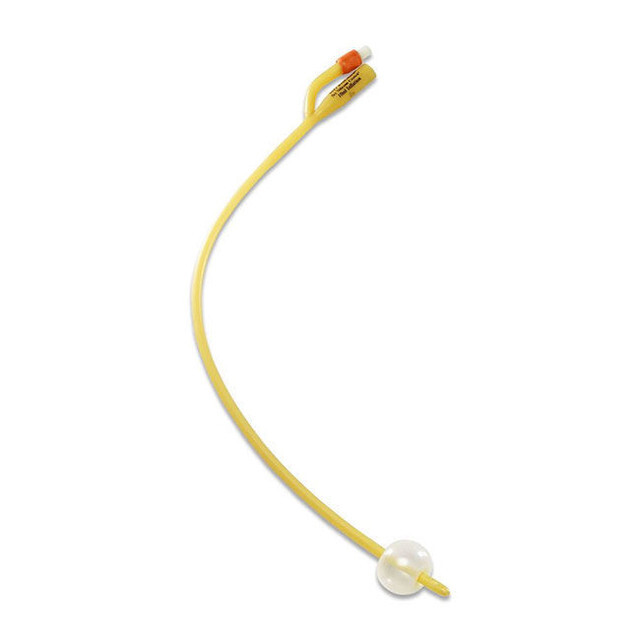 Coated Foley catheters like the Cardinal Health Dover - 5cc Silicone Coated Foley Catheter add another layer to this comparison because the coating is meant to create a smoother surface and help reduce irritation. Many coated catheters are still made with a latex base, so the coating does not automatically make them safe for latex-sensitive patients, which means both the coating and the base material still need to be checked carefully.
Foley Catheter Warning Signs and Common Problems
A Foley catheter should drain steadily and feel manageable from day to day. When urine changes, discomfort increases, or drainage stops working normally, those signs should be taken seriously.
Cloudy or foul-smelling urine
This can be a sign of infection or irritation. If urine becomes cloudy, develops a strong odor, or changes suddenly from its usual appearance, a healthcare professional should be contacted.
Blood in the urine
A small amount of blood or light pink urine can be common during the first 24 to 48 hours after insertion due to the catheter causing minor irritation. Bright red blood, large clots, or blood that continues beyond that point should be reported to a healthcare provider immediately.
Pain or swelling
Pain may come from friction, pulling, poor positioning, or a drainage issue, while swelling can point to irritation or pressure. If pain gets worse or swelling develops around the catheter area or lower abdomen, check in with your doctor.
Leakage around the catheter
Leakage often means urine is not draining through the catheter the way it should. This can happen because of a blockage, tubing that is kinked, or a catheter that is not positioned correctly, so the drainage system should be checked and repositioned to a comfortable spot.
Urine not draining into the bag
This may happen if the tubing is kinked, the collection bag is too high, or the catheter is blocked. It can also become a health concern very quickly, so if urine stops draining and bladder pressure or discomfort is building, medical help should be requested.
Signs of blockage or poor positioning
Common signs include little urine output, new leakage, pain, pressure, or tubing that appears twisted or compressed. The bag should stay below bladder level and the tubing should stay free of bends, but the catheter should not be pulled, removed, or repositioned without professional guidance.
Choosing the Right Foley Catheter for Home Use
Choosing the right Foley catheter for home use starts with the size recommended by a healthcare provider. Foley catheters come in different French sizes, and the correct size is needed for proper drainage while reducing unnecessary irritation. A larger catheter is not automatically better, so size should follow real medical guidance rather than a user's best guess.
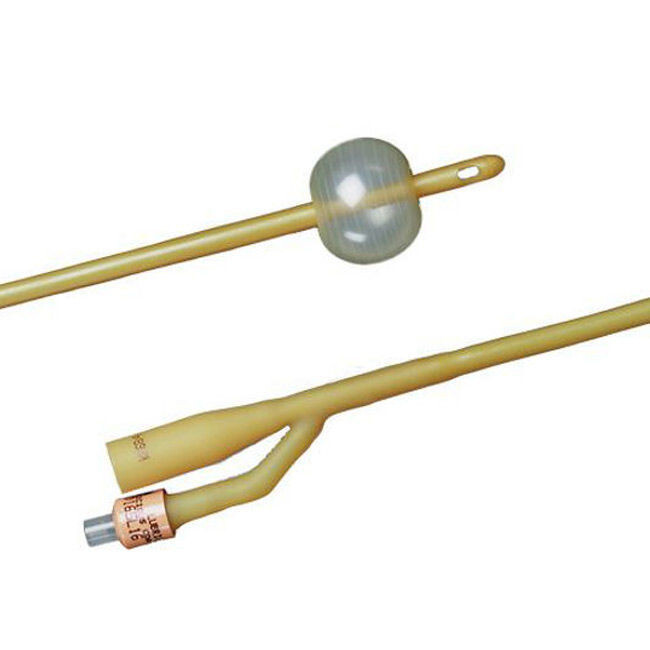 Material is another important part of the decision. Latex Foley catheters such as the Bard Bardex Lubricath - Latex Foley Catheter are soft and flexible, while silicone Foley catheters such as Bard's Bardex - All Silicone Foley Catheter are latex-free and are often preferred when longer wear time or allergy concerns matter. For patients with latex sensitivity, material choice is not just a comfort issue but an important safety consideration.
Balloon capacity also needs to match the patient's medical needs. Common capacities include 5cc, 10cc, and 30cc, and the right option depends on the type of catheter and the intended use. The balloon keeps the catheter in place, but the correct size and volume should always follow the product instructions and the healthcare provider's recommendation.
It is also important to make sure the catheter works with the right catheter drainage bag and tubing. Day bags, leg bags, and bedside drainage bags may serve different needs, so compatibility matters when building a reliable drainage setup. Secure connections and proper bag placement help support steady urine flow and reduce avoidable problems.
For some patients and caregivers, pre-packaged catheter kits can make routine care easier. These kits may group together essential catheter supplies in one package, which can simplify ordering and help keep regular catheter changes more organized.
Where to Buy Foley Catheters Online
When Foley catheter supplies are needed on a regular basis, ordering online can make ongoing care easier to manage. It gives patients and caregivers access to trusted medical brands, a wider selection of catheter supplies, and the ability to review product details carefully before choosing the right option.
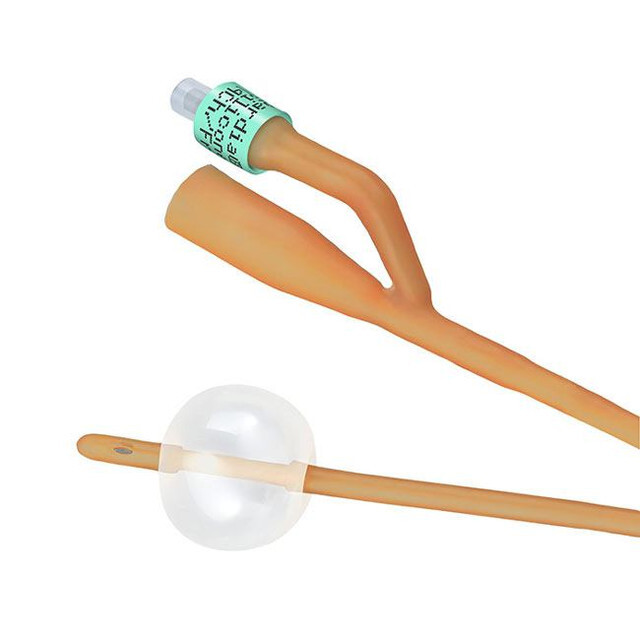 Many people prefer online ordering because it provides convenient home delivery and more reliable access to essential supplies. Foley catheters such as the Bardia 10cc Silicone Elastomer Coated 2-Way Foley Catheter and the Bard Bardia All Silicone Foley Catheter are available alongside catheter kits and catheter drainage bags from established medical manufacturers. Discreet shipping is also available, which helps protect privacy while keeping needed supplies on hand.
For patients who use the same catheter supplies on a routine schedule, automatic delivery can help prevent gaps in care. We offer an Auto Ship program so important products can arrive on a regular basis without needing to be reordered each time. When the right Foley catheter, drainage setup, and support supplies are easier to keep in stock, long-term catheter care becomes more consistent and easier to manage.
Explore Our Newest Medical Guides & Insights

Bathroom Mobility Aids: Safety Equipment for Seniors, Disabled, and Post-Surgery Recovery
Foley Catheter Guide: Uses, Sizes, Care, and How to Choose the Right Catheter

Medical Supplies You Should Always Keep at Home (And When You’ll Need Them)

How to Choose the Best Medical Tape for Every Situation

Tattoo Shop Sanitation Basics: Building a Clean, Repeatable Workflow