Medical Supplies You Should Always Keep at Home (And When You’ll Need Them)
Medical Supplies You Should Always Keep at Home (And When You’ll Need Them)
A well-stocked set of medical supplies to keep at home can help households respond faster when minor injuries, sudden illness, or when routine recovery needs come up, and that kind of preparation often brings real peace of mind. Instead of scrambling for basics during a late-night cut, a weekend fever, or an unexpected skin issue, essential items are already available to support safe, early care at home so families can handle common situations more confidently and with less stress.
This kind of home medical supplies checklist is especially useful for families managing active daily life, caregivers supporting a loved one, seniors aiming to stay independent, and home care patients who need reliable supplies on a regular basis. The goal is simple: reduce uncertainty, improve readiness, and make everyday health situations easier to manage at home before they turn into something bigger.
Why Keeping Medical Supplies at Home Matters
A small set of medical essentials at home helps households respond early, before a manageable problem turns into a stressful one. When supplies are missing, even routine issues like a cut that needs a dressing or a fever that needs monitoring can lead to delayed care and unnecessary worry.
A practical home medical supplies checklist also reduces last-minute trips for basics that are easy to overlook until they are needed. With core items already in one place, it becomes simpler to clean and protect a wound, track symptoms over a day or two, and maintain better hygiene during illness.
For caregivers, preparedness matters because needs can change quickly and routines can break down fast when something unexpected happens. Having the right supplies on hand supports safer recovery at home, lowers stress, and keeps care more consistent. A quick review of what is already available plus a simple restock of true essentials can make a home feel more prepared without turning it into a major project.
The Essential Home Medical Supplies Checklist
Cuts, scrapes, and minor burns tend to show up at inconvenient times. Small injuries often happen when stores are closed or supplies run out, so keeping basic wound care supplies at home makes it much easier to clean, cover, and protect the area right away.
- Cuts, scrapes, and minor burns
- Skin tears and blisters
- Post-surgical or post-procedure care
Pain Relief and Injury Support Supplies
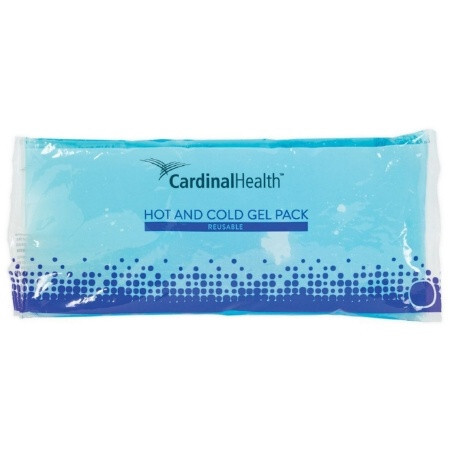 Minor injuries and everyday soreness are some of the most common reasons people need home medical supplies. A reusable hot or cold pack can help manage swelling after a twist or strain, calm muscle aches after yard work, and reduce stiffness that shows up after a long day. Keeping one option ready is usually enough to cover a wide range of situations, such as the Hot / Cold Pack Cardinal Health Insulated General Purpose Large 6 X 9 Inch. When a household already has a pack available, it becomes easier to start basic comfort care right away instead of waiting until pain feels harder to manage.
Personal Protective Equipment (PPE)
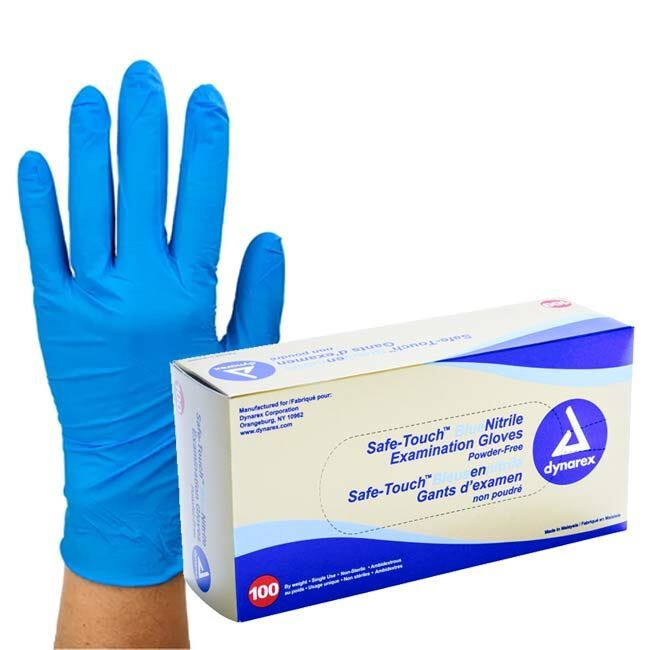 Gloves and face masks are easy to overlook until they are needed. Disposable gloves help keep hands cleaner during dressing changes, support safer cleanup when someone is sick, and make caregiving tasks feel more manageable. A simple example is keeping a box of nitrile gloves on hand like Dynarex Safe-Touch Blue Nitrile Exam Gloves, Powder-Free. For many households, setting aside a small PPE reserve is a practical way to be ready for messy situations without turning it into a big purchase or a complicated system.
Respiratory and Illness Monitoring Supplies
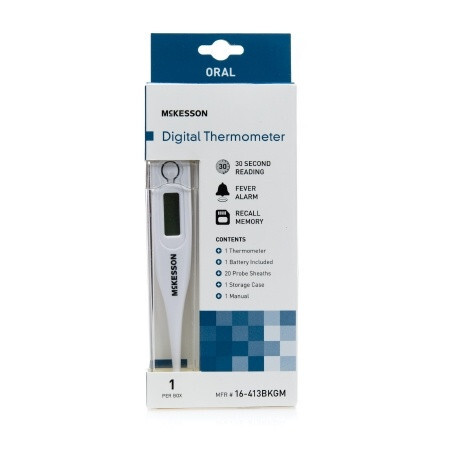 Whether it be a run-of-the-mill or serious illness, the most helpful supplies are often the ones that remove the need to guess. A digital thermometer helps keep close track of your health during colds and flu, especially in homes with children, seniors, or anyone whose symptoms need closer attention. The McKesson Digital Stick Thermometer is a simple example that fits easily into a home medical supplies checklist.
Mobility and Home Safety Supplies (Often Overlooked)
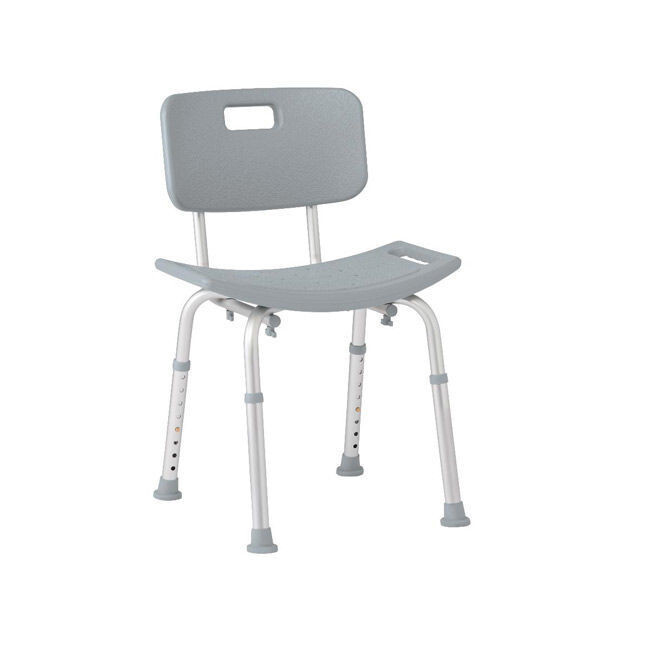 Mobility and safety items tend to become important after a real change happens at home, like a knee or hip surgery that makes walking difficult, a foot or ankle injury that limits balance. The shower is a common trouble spot because wet floors and fatigue can turn a simple task into a fall risk. In situations like these, a stable seat can reduce strain and help routines stay safer during recovery, such as the Medline Guardian Aluminum Bath Chair with Back. Caregivers often find that having the right safety and mobility supplies at home reduces stress and helps loved ones stay independent longer, which is why it can help to think through the highest-risk areas of the home and plan before an urgent need shows up.
How to Build a Home First Aid Kit That Actually Works
A first aid kit works best when it is easy to find, easy to open, and stocked with items that actually get used. Many households already own a few supplies, but they are scattered across drawers and bathrooms. Bringing them together in one dedicated kit is what turns random items into something reliable during a stressful moment.
Start with one central location that makes sense for the household. A high shelf in a hall closet or kitchen cabinet keeps supplies in a consistent place while staying out of reach of small children. Bathrooms are often humid, so a dry storage spot helps supplies stay in better condition. A simple container with a lid is usually enough as long as it can be opened quickly.
Next, organize the kit around real situations instead of categories that look neat but slow people down. Group items so they can be grabbed fast, such as a “wound care” pouch for cleaning and covering cuts, a “sick day” pouch for fever monitoring, and a small “comfort care” spot for a reusable hot or cold pack. Clear bags or small zip pouches work well because the contents are visible without digging.
Versatility matters more than volume. The most useful kits focus on a few dependable basics that handle the majority of common problems, such as small cuts and scrapes, larger dressing needs, and situations where a dressing needs reinforcement. The checklist in this guide is designed to cover those everyday needs without turning the kit into an overbuilt project. If a household does not already have these supplies at home, it can help to keep a few core items on hand so preparation is in place before an injury or illness happens.
It is also important to recognize that any first aid kit requires maintenance. Checking expiration dates keeps supplies dependable, and replacing used items right away prevents the kit from becoming a box of half-finished packages. A quick restock after an illness or injury also helps the kit stay ready for the next time it is needed.
Medical Supplies for Families vs. Seniors
A home medical supply setup looks different depending on who lives in the home and what problems are most likely to come up. Families usually need fast solutions for minor injuries and sick days. Seniors and caregivers usually need supplies that support comfort, protect skin, and help manage day-to-day changes that are more consistent. It can help to look at what situations actually happen in the home, then keep a short list of supplies that match those needs.
Supplies Families Should Prioritize
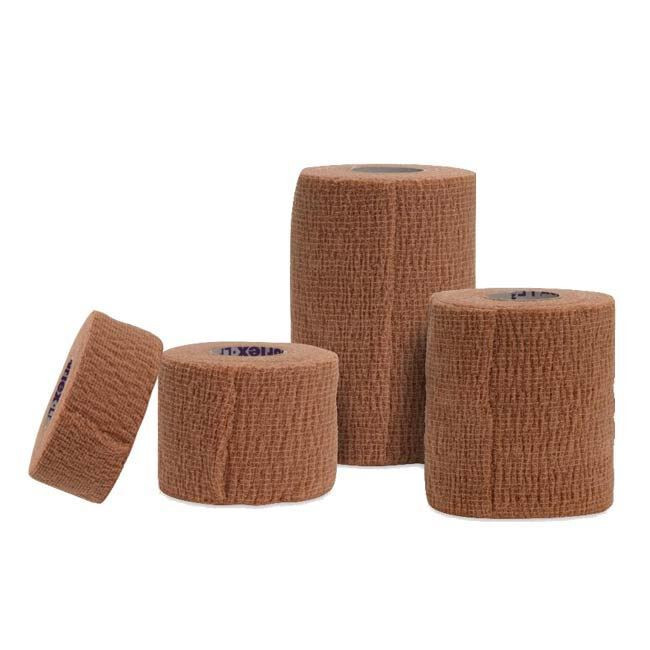 For most families, the best supplies are the ones that are quick to use and easy to keep organized. A self-adhering wrap that sticks to itself can be a practical choice for active households because it goes on fast and does not require scissors, such as Andover CoFlex LF2 Latex Free Cohesive Bandage. Fever monitoring is another routine need in many homes, so keeping a basic thermometer like the ProAdvantage Digital Thermometer in the first aid kit helps families check temperature without hunting for it when someone feels sick.
Supplies Seniors and Caregivers Should Prioritize
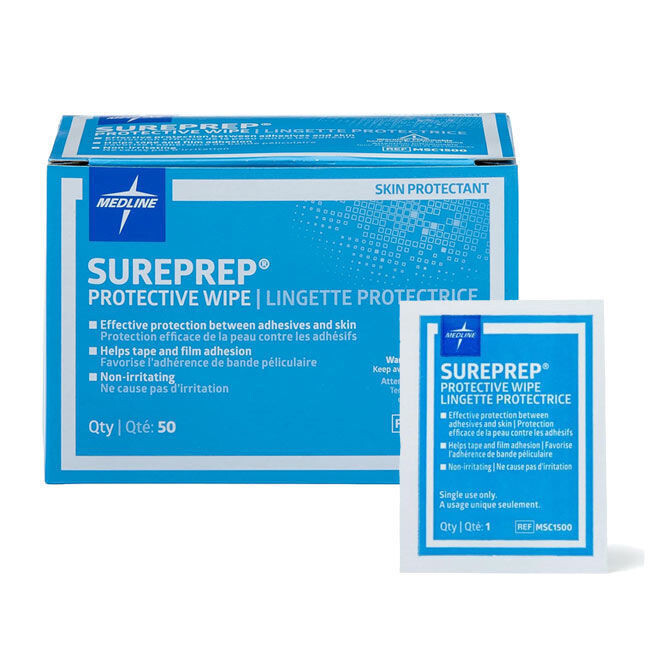 For seniors, supplies often need to be a part of routine care, not just occasional incidents. Skin protection can become a priority when irritation, moisture, or frequent product use is part of daily care. Medline Sureprep Protective Skin Prep Wipes help protect skin and can make care tasks feel smoother and more manageable. Incontinence products can be an important part of staying comfortable and protecting skin, especially overnight when changes are harder to manage. Tranquility Premium Overnight Adult Protective Underwear can help with overnight routines when leaks are more likely, and having these reliable supplies on hand can make daily care routines smoother while helping seniors remain comfortable and safe at home.
When to Restock or Upgrade Your Home Medical Supplies
Never buying supplies is rarely the reason for home kits failing. They fail because items get used, expire, or slowly degrade in a drawer. Adhesives can lose their stick, sterile packaging can get compromised, and creams or ointments can become unreliable past their expiry date. A simple habit is to do a scheduled review at least once a year and replace anything that is expired, damaged, or missing.
Outside of scheduled checks, the most accurate restock triggers are practical ones. Restock immediately after any injury or sick week that uses up dressings, tape, antiseptic wipes, or gloves. Restock before travel or before seasonal illness spikes if the home tends to see more colds and flu. Restock when caregiving needs change, like a new baby at home or a senior returning from a procedure, since the “right” kit often changes with the household.
During each review, focus on the items that quietly become unusable. Look for sterile dressing packages that are torn, wet, or discolored. Replace ointments and antiseptic products that are past their date. Check that the thermometer is working and that gloves and masks are still clean and intact. The goal is not a huge inventory. It is keeping the basics dependable.
For homes managing more routine or higher-need supplies, restocking has to be more deliberate. Urinary catheter supplies are a good example because several are used throughout the week, and a shortage can interrupt care immediately. It helps to keep a clear buffer of the correct catheter type and size, plus enough quantity to cover unexpected delays or a higher-use week. A practical approach is to track how many are used in a typical week, then set a reorder point that triggers before the backup supply is touched. If the household uses related items like drainage bags or securement supplies, keeping extras of those matters too because missing one piece can make the whole setup harder to manage. Home oxygen therapy supplies can follow the same logic, but most households simply need a small backup and a replacement habit that matches provider or manufacturer guidance.
For households that use certain items steadily, a recurring reorder routine can prevent gaps without requiring constant tracking. Our Auto-Ship program is designed to support that kind of consistency, making re-ordering supplies easy and straightforward.
Where to Buy Medical Supplies Online for Home Use
When a household is buying supplies for home care, choosing reliable, medical-grade products from a trusted supplier can make day-to-day care smoother and safer. That matters whether the need is a basic first aid restock, ongoing condition management, or support during recovery at home.
Many families prefer to buy medical supplies online because it is simply easier. Supplies can be reviewed without rushing, options can be compared, and the right items can be delivered directly to the door. Express Medical Supply supports that convenience with an Auto Ship Program for products used regularly so essentials arrive automatically, plus flexible checkout options including PayPal. Discreet shipping is also available, which helps protect privacy by keeping obvious product labeling off the outside of the package.
For customers who use Medicare, ordering is available through Duke Medical Supply to help with insurance-based processing. At the same time, many households choose to buy supplies directly without insurance when they want clear pricing, more control over what is ordered, and fewer delays. For many homes, ordering online is a straightforward way to keep essential supplies available so common needs are easier to handle when they come up.
Frequently Asked Questions About Home Medical Supplies
What medical supplies should every home have?
It depends. Most households are well-served by a baseline first aid set that covers common cuts and short-term illness, which typically includes adhesive bandages, sterile gauze, and a thermometer. Homes with seniors or special circumstances often need to add routine-care items that match daily life, and it is wise to keep backups of any supplies that shouldn't be allowed to run out.
How often should I replace first aid supplies?
It depends. Replace anything that is used up, expired, damaged, wet, discolored, or no longer sealed, and do a full review of the kit on a repeating schedule so problems are caught sooner rather than later.
What’s the difference between a first aid kit and home medical supplies?
A first aid kit is a compact set of essentials meant for immediate response to common minor injuries and quick symptom checks, while home medical supplies is the broader group of items kept for both first aid and ongoing home care needs, including routine supplies used for caregiving, recovery, or long-term conditions that may not belong in a grab-and-go kit.
Can I buy medical supplies online for home care?
Yes. Express Medical Supply allows online ordering with PayPal, offers a discreet shipping option at checkout at no additional charge, and has an Auto-Ship program for regularly used items, while Medicare and other insurance billing is not handled through Express Medical Supply and Medicare coverage for ostomy and catheter supplies is directed through Duke Medical Supply.
Final Thoughts: Prepared Homes Handle Health Issues Better
A prepared home is not trying to be a clinic. It is simply set up to handle common problems sooner and with less disruption. When basic supplies are easy to find and ready to use, small injuries and everyday illness are less likely to spiral into bigger issues. That kind of readiness also supports independence, especially for seniors and anyone recovering at home, because care does not have to stop while someone searches for a missing item or waits until the next day to replace it.
The difference usually comes down to small habits that are easy to maintain. Keeping supplies in one consistent place, restocking after they are used, and checking dates on a simple schedule adds up over time. If a household wants a practical next step, it can help to pick a storage spot and do a quick review of what is already on hand, then fill only the gaps that would make everyday care harder if they came up unexpectedly.
Explore Our Newest Medical Guides & Insights
Bathroom Mobility Aids: Safety Equipment for Seniors, Disabled, and Post-Surgery Recovery
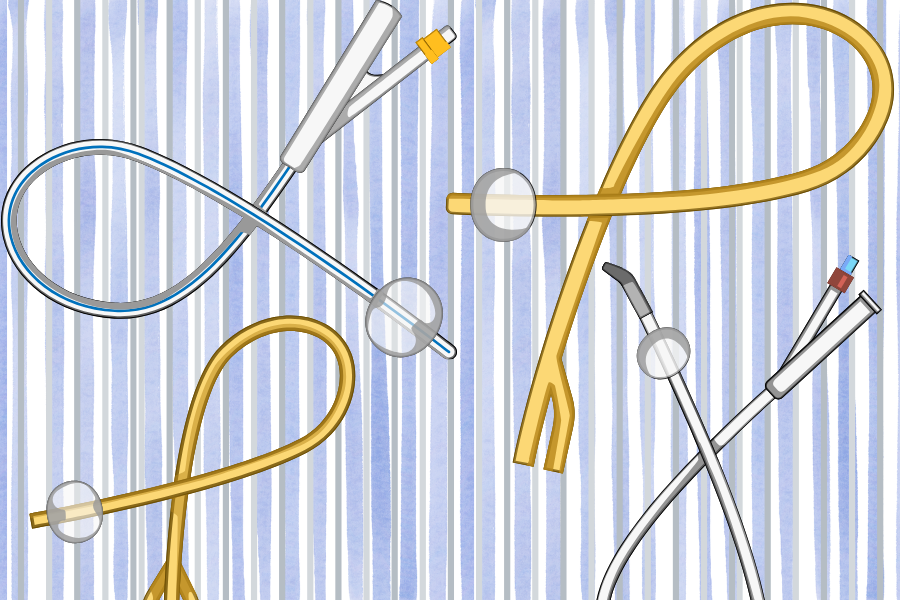
Foley Catheter Guide: Uses, Sizes, Care, and How to Choose the Right Catheter
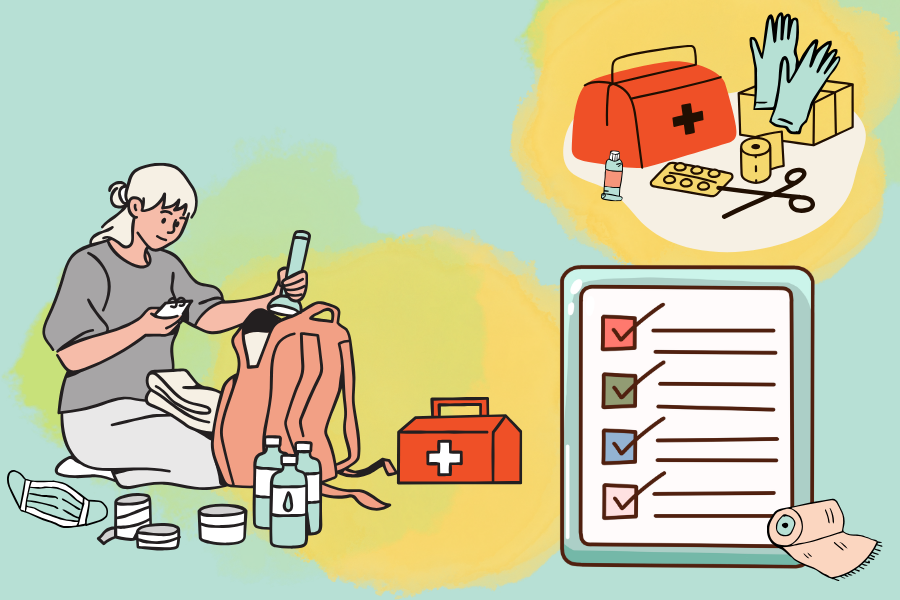
Medical Supplies You Should Always Keep at Home (And When You’ll Need Them)

How to Choose the Best Medical Tape for Every Situation

Tattoo Shop Sanitation Basics: Building a Clean, Repeatable Workflow