The Essential Guide to 1-Piece Ostomy Bags

The Essential Guide to 1-Piece Ostomy Bags
One-piece ostomy bags combine the pouch and skin barrier into a single ostomy system designed for secure wear and simpler day-to-day management. Common options include convex, pre-cut, and cut-to-fit, with drainable or closed styles depending on routine and output. Finding a good match typically comes down to comfortable adhesion, a reliable seal, and a fit that supports the stoma while protecting peristomal skin. Long-term comfort also depends on practical habits like consistent emptying, gentle cleansing, and keeping a few dependable backup supplies nearby. With the right setup, a one-piece ostomy system can support discreet steady collection at home, at work, and overnight.
What is a One-Piece Ostomy Bag?
A one-piece ostomy bag combines the pouch and skin barrier into a single system that attaches and removes as one unit. Compared with a two-piece system, it is often chosen for a lower-profile feel, fewer parts to manage, and a simpler routine when changing the pouch. One-piece systems can work well for active days because there is no coupling to snap together, which some people find more comfortable under clothing. The tradeoff is flexibility since changing the pouch usually means removing the entire barrier, which can increase adhesive removal on the skin if changes are frequent. Fit and skin protection still matter most, and an ostomy nurse is often the best resource for dialing in the right style for you.
Convex Pouches
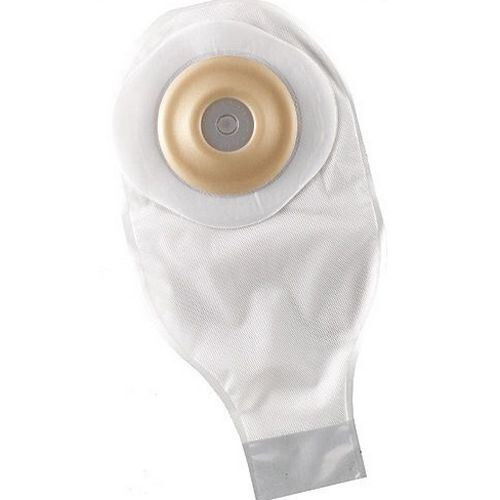
Convex one-piece pouches use a gently curved barrier designed to press inward slightly and support a more secure seal around the stoma. They are commonly used when the stoma sits flush with the skin, is retracted, or when the area around the stoma has folds or uneven contours that make leaking more likely. The main benefit is improved leak control and better contact between the barrier and the skin when a flat barrier struggles to seal. The downside is that convexity adds pressure, so the wrong level of convexity or wear time can cause discomfort or skin irritation if it is not matched correctly.
Cut-to-Fit Pouches
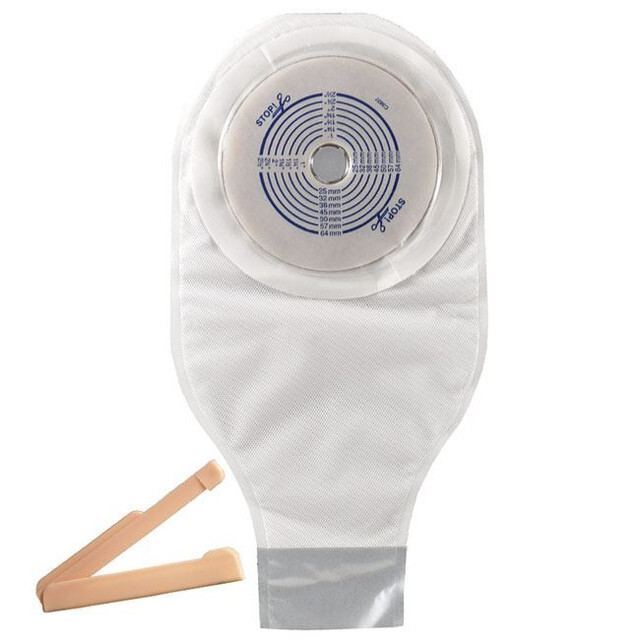
Cut-to-fit one-piece pouches have a barrier opening that is trimmed by the user to match the stoma’s shape and size, which is useful when the stoma is irregular or still changing. This option is often chosen for a more personalized fit, with the goal of reducing exposed skin and improving overall comfort. The benefit is flexibility since the opening can be adjusted as needed over time. The disadvantage is that each change requires careful measuring and cutting, and an opening that is cut too large or uneven can increase the risk of leakage and skin irritation.
Pre-Cut Pouches
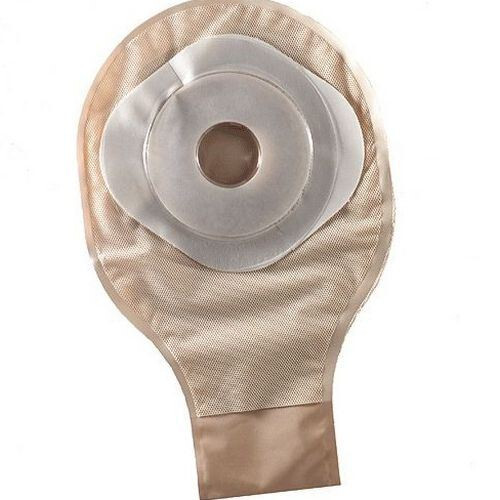
Pre-cut one-piece pouches come with a factory-sized barrier opening and are usually preferred when the stoma size is stable and fits a standard measurement. They are often chosen for convenience because the fit is consistent and changes are faster with less prep work. The main benefit is reliability and simplicity, especially for people who want a straightforward routine. The drawback is reduced flexibility since a size mismatch can leave skin exposed or create gaps that lead to leakage, and a stoma that changes size may require switching to a different opening size or a cut-to-fit option.
FAQs on 1-Piece Ostomy Pouches
What is better, a 1 piece or 2 piece colostomy bag?
What to do if you run out of ostomy bags?
How many times a day do you need to empty an ostomy bag?
Can you shower with an ostomy bag?
How to Find the Right Ostomy Bag for You
The “right” one-piece pouch usually comes down to stoma characteristics, body contours around the stoma, skin tolerance, output type, and day-to-day routine. Many ostomy nurses start by looking at how well a flat barrier seals during normal movement, then adjust features to reduce leaks and protect peristomal skin. Choice is also personal, since preferences for profile under clothing, ease of changes, and wear time greatly vary.
A practical way to narrow options down is to focus on the problem that needs solving. If leakage happens while bending, sitting, or walking, the issue is often how the barrier is interacting with creases, softer areas, or a stoma that does not project much. In that situation, the goal is to choose a setup that stays sealed through movement, rather than one that only looks secure right after application. If the seal holds but the skin becomes irritated, the priority usually shifts to wear time, adhesive tolerance, and how well the opening is matched to the stoma so skin is not being exposed to output.
Sizing is one of the biggest deciding factors, and it is also the easiest to underestimate. When the stoma is changing or slightly irregular, the best choice is usually the one that allows the opening to match it more precisely and adapt over time. When sizing is stable and predictable, many people prefer the option that removes extra prep and keeps the fit consistent from change to change. Either way, the aim is a clean, consistent fit that does not pinch the stoma and does not leave extra skin exposed.
Output type and schedule also steer the decision more than most people expect. Thinner, more active output can require a setup that holds up reliably between emptying and reduces the chance of undermining at the edges, while a more predictable routine can make convenience features and faster changes feel more important. Workdays, travel, sleep habits, and activity level influence whether a lower-profile pouch, a larger capacity, or specific accessory features feel like a real improvement instead of just “nice to have.” The best match is usually the one that supports the wearer’s normal routine with fewer surprises, not the one with the most features on paper.
Finally, the “right” choice often comes down to comfort and confidence. The feel under clothing, ease of emptying, visibility preferences, filter performance, and closure style can make day-to-day wear feel smooth or frustrating. If two options seal equally well, the better pick is usually the one that feels easier to live with, since consistent use and consistent care are what keep a one-piece system comfortable over time.
Maintenance and Cleaning for Ostomates
Emptying Your Pouch
A consistent routine matters more than any single product. Most ostomates empty the pouch before it gets heavy, often around one-third to one-half full, because a full pouch is more likely to pull on the seal and lead to leaks. Wear time varies, but many people change a pouching system every few days to about a week, and earlier if there is leakage, itching, burning, or odor that is not tied to the emptying routine.
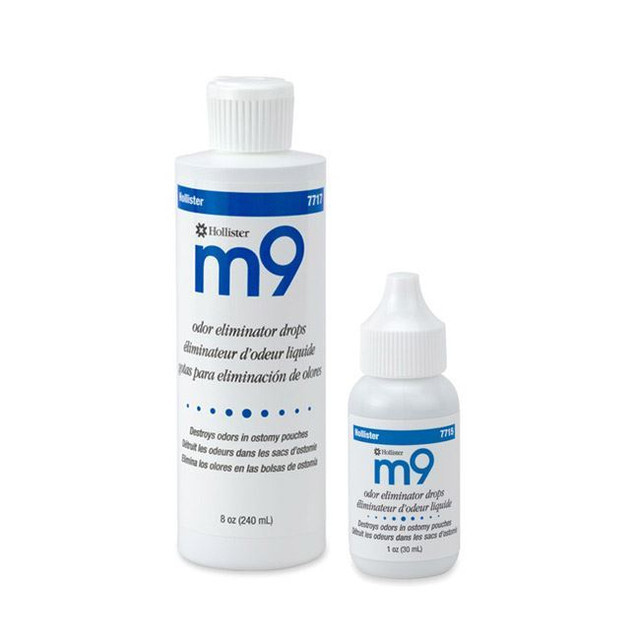
After emptying, simple habits help keep things clean and controlled. Wiping the outlet area well, cleaning the end of the pouch, and re-securing the closure reduces mess and odor around the tail end. If odor during emptying is a concern, pouch deodorant drops are commonly used after emptying or when putting on a fresh pouch.
Skin Protection
During a full change, gentle removal and a quick skin check are the core of maintenance. Removing the barrier slowly using a push-pull approach helps protect skin, and adhesive remover sprays or wipes can make removal easier when the seal is strong. If an oil-based adhesive remover is used, it is important to wash it off so the next barrier adheres correctly. Checking the skin and the underside of the barrier for signs of undermining helps catch small leaks before they become recurring irritation.
For cleaning the skin around the stoma, less is usually better. Warm water and a soft cloth are commonly recommended, and the skin should be patted dry completely before applying the next system. If soap is used, it should be mild and free of oils or moisturizers, since residue can interfere with adhesion. Baby wipes and harsh cleaners are generally avoided for the same reason.
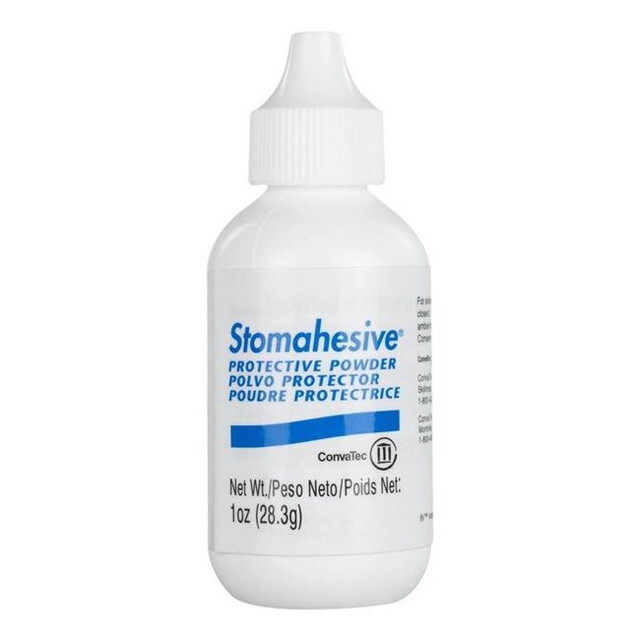
Skin prep is where many ostomates fine-tune comfort and wear time. Barrier rings, paste, or strips are often used to fill small creases, folds, or scars so the barrier sits flatter and seals more evenly. Skin barrier films, wipes, or sprays can add a thin protective layer, and alcohol-free options are available for sensitive or irritated skin, but these are often used only when needed since too many layers can reduce adhesion for some wearers. If the skin is moist, weepy, or lightly broken, stoma powder is commonly used to absorb moisture and help the barrier stick more reliably, with excess brushed off so it is not left sitting on healthy dry skin.
Maintenance for Your Ostomy Bag
Maintenance also includes the small items that keep changes smooth. Keeping supplies dry and organized, replacing closures or clamps if they wear out, and carrying a small backup kit helps prevent rushed changes that irritate skin. For high-output situations, connecting to a night drainage setup can reduce overnight pouch weight and tugging, which protects the seal over longer wear periods.
Shopping List
Supports a more secure seal when leaks happen due to contours or a flush stoma.
Helps fine-tune the barrier opening for a closer match over time.
Helps keep changes faster with a consistent opening and a longer drainable pouch.
Helps prep skin for adhesion by cleaning without leaving a film.
Helps control moisture on compromised skin so barriers stay more reliable.
Helps reduce odor in the pouch between emptying and after changes.
Ready for an Ostomy - Key Takeaways
A one-piece ostomy system can be a dependable, low-hassle option when fit, skin comfort, and routine are treated as the priority instead of chasing perfection on paper. The goal is steady wear that feels manageable day to day, supported by consistent emptying, gentle changes, and a quick skin check that catches problems early. When something feels off, small adjustments usually make the biggest difference, and getting guidance from an ostomy nurse can save a lot of trial and error. With the right match and a simple routine, a one-piece setup can stay comfortable, discreet, and reliable through normal life.
Explore Our Newest Medical Guides & Insights

Bathroom Mobility Aids: Safety Equipment for Seniors, Disabled, and Post-Surgery Recovery

Foley Catheter Guide: Uses, Sizes, Care, and How to Choose the Right Catheter

Medical Supplies You Should Always Keep at Home (And When You’ll Need Them)

How to Choose the Best Medical Tape for Every Situation

Tattoo Shop Sanitation Basics: Building a Clean, Repeatable Workflow