How to Use 3M Tegaderm for Road Rash
What is Road Rash?
- Road rash is when your skin is injured by coming into contact with road surfaces during falls and/or crashes.
- Abrasions, scrapes, broken skin, and having skin embedded with road debris are all symptoms of road rash.
- Generally road rash is associated with skateboarding, cycling, roller, and motorcycling accidents.
How do you treat road rash?
- Examine the wound. When you look at the wound, do you see fatty deposits or bone? If the answer is yes, immediately seek emergency medical attention. If you think the cuts and abrasions might need stitches, go with caution and seek medical attention.
- Clean the Wound. Do not rub the skin because this will caus e further damage. Ideally you will have a wound cleanser like CarraKlenz dermal wound cleanser to gently and carefully wash out the wound. If you do not have a wound cleanser you will need to use clean bottled water to flush out the wound. You will need to flush out the wound until all debris, dirt, and contaminates are removed.
- Check for Debris. Road rash can leave small rocks or pieces of dirt embedded in the abraded skin. All foreign debris must be removed from the wound. When the wound heals you can't have rocks healing inside the cuts because this will cause infection. Use sterile tweezers if necessary to ensure that all debris is cleared from the wound. After using tweezers wash the wound with the CarraKlenz or clean bottled water again.
- Stop the bleeding. Using a non-stick sterile medical gauze apply gentle and even pressure to the wound until it stops bleeding. At this point you can spray an antibacterial pain killing spray like Bactine to the wound and allow to air dry.
- Apply Tegaderm to dress the wound. Once the wound has dried apply Tegaderm to protect the wound from infection and to promote healing. Tegaderm is specially designed to cover a wound but still allow you to keep and eye out for infection. Follow the directions for successfully applying Tegaderm that are provided in the packaging. If the wound is larger than your Tegaderm film you can overlap the Tegaderm to completely cover the area.
How does 3M Tegaderm help road rash heal?
By keeping the wound bed moist you avoid scabbing which helps wounds heal faster and with less scarring. Many times road rash is on bony areas of the body, places that stick out and have little protection. These also tend to be parts of the body that bend and move like knees or elbows. Scabs often break open and crack with movement causing pain and potential infection. When you use a wound dressing like Tegaderm the wound is protected from bacteria and contamination but remains moist and soft.
How long do you keep 3M Tegaderm on?
The easy answer is, 3 to 6 days. However, every wound has the potential to be a little different. One of the best parts of Tegaderm is being able to visually see the wound. This allows you to monitor how it is healing and progressing. If there is a lot of drainage then you will need to change the dressing more often. Keep in mind though, there will be moisture and the wound should not appear to be dry or cracking because Tegaderm is keeping it moist to promote healing and avoid scabbing. The fluid from a wound should be clear or slightly yellow. If the drainage fluid is cloudy, green, or foul smelling, this could be a sign that the wound is infected. Also, watch out for fever, swelling, redness, the wound being hot to the touch, these are all signs of infection and if you experience any of them you should consult a doctor and seek medical attention.
Remember, the best source of medical advice is your medical team. They know your individual health needs and they can offer you personal care. If you are ever concerned about a wound do not hesitate to contact your doctor.
Explore Our Newest Medical Guides & Insights

Compression Stockings and Socks Resource Center: FAQs and Related Reading

Compression Socks and Stockings Buying Guide: How to Choose the Right Size and Style
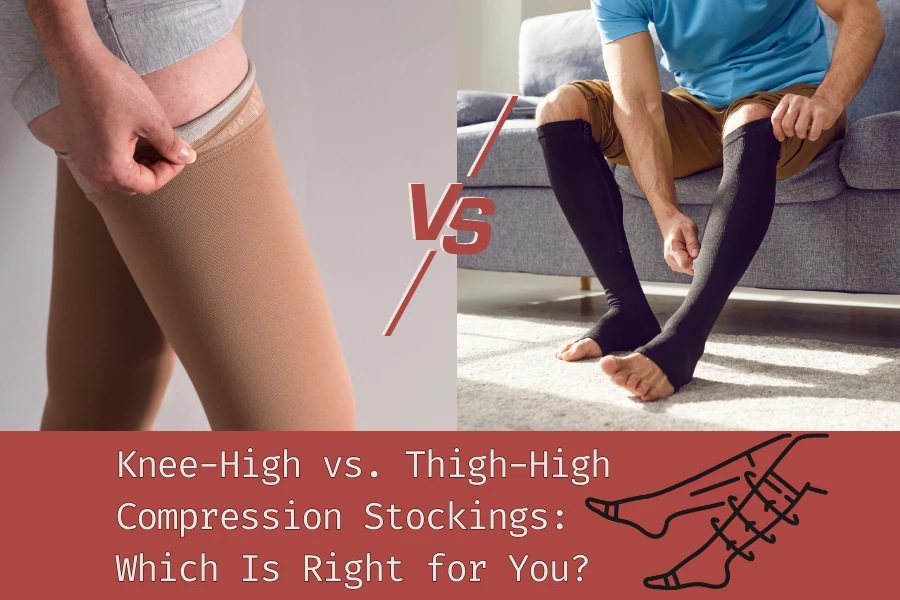
Knee-High vs. Thigh-High Compression Stockings: Which Is Right for You?
What Compression Level Do I Need? Understanding mmHg for Compression Socks
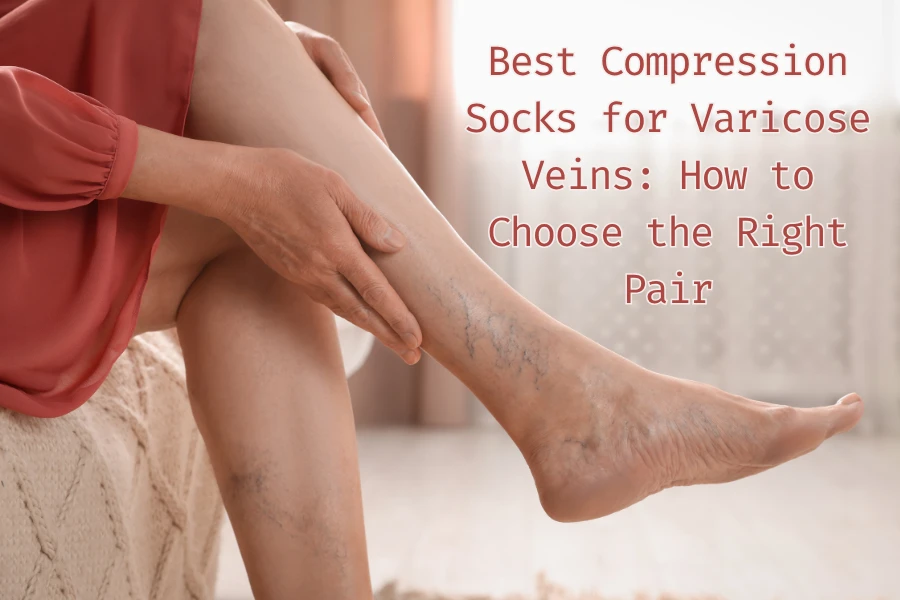
Best Compression Socks for Varicose Veins: How to Choose the Right Pair