How to Use Convatec Cohesive Eakin Seals
Jun 23rd 2016
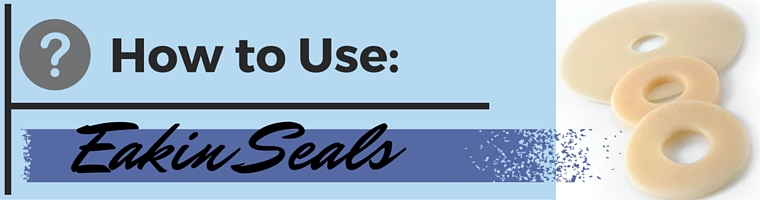
Convatec Eakin Cohesive Seals are designed to be worn around the stoma. The material is alcohol-free which means it won't sting when worn against damaged skin. The most common complaints people with an ostomy have is stomal skin problems and leaks. Eakin Seals help with both of those issues. The seal is soft and it is easy to mold around your stoma so no output comes in contact with your skin.They are water-proof and will not lose stickiness even when you are handling and molding the seal. Eakin Seals can be used with one-piece and two-piece ostomy pouches.
Which Convatec Cohesive Eakin Seal Should I Use?
.jpg) Cohesive Slim
Cohesive Slim - Meant for everyday use
- For those who change their pouch frequently
- Helps to make pre-cut ostomy pouches a perfect fit
- Can be used with convex ostomy wafers and pouches
Small Cohesive Seal
- Provides extra protection for the skin surrounding the stoma
- For anyone with a more fluid output
- Helps solve problems with leaks
- Can provide a personalized and soft convexity
Large Cohesive Seal
- Greater coverage area
- Designed for urostomates
- Can be used to create a deep convexity
Cohesive StomaWrap
- Saves time
- Works with oval or irregular shaped stomas
- Helps anyone with limited dexterity
- Can be applied quickly when fast pouch changes are needed
How to Apply Eakin Cohesive Seals:
- Clean and dry the surrounding skin
- Warm the Seal by holding it between your hands before removing the white paper
- Remove the paper and work the Cohesive Seal into the desired shape by gently teasing and stretching it to suit your body's individual needs
- You can not overwork the Seal because it is becomes easier to mold the more it is handled
- Position on the body and carefully shape the Cohesive Seal around your stoma. No skin directly around the stoma should be exposed
- Flatten the outer edge of the Seal, it should look like a short cone, flatter toward the outside and going up toward the stoma. Warmth from your hands will help to ensure a good seal is achieved because it makes the Seal easier to shape and mold.
- Fit the pouch as normal and hold in position for 30 seconds.
Explore Our Newest Medical Guides & Insights
Compression Socks and Stockings Buying Guide: How to Choose the Right Size and Style
Oct 5th 2026
Compression Socks and Stockings Buying Guide: How to Choose the Right Size and Style
How to Choose
…
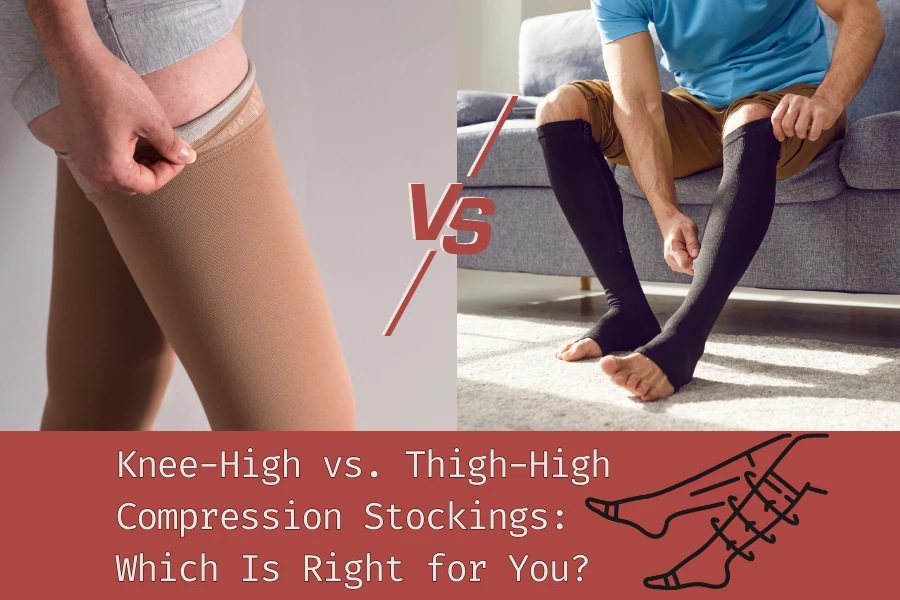
Knee-High vs. Thigh-High Compression Stockings: Which Is Right for You?
Sep 24th 2026
Knee-High vs. Thigh-High Compression Stockings: Which Is Right for You?
What Are Knee-High Compres
…
What Compression Level Do I Need? Understanding mmHg for Compression Socks
Sep 10th 2026
What Compression Level Do I Need? Understanding mmHg for Compression Socks
What Does mmHg Mean for
…
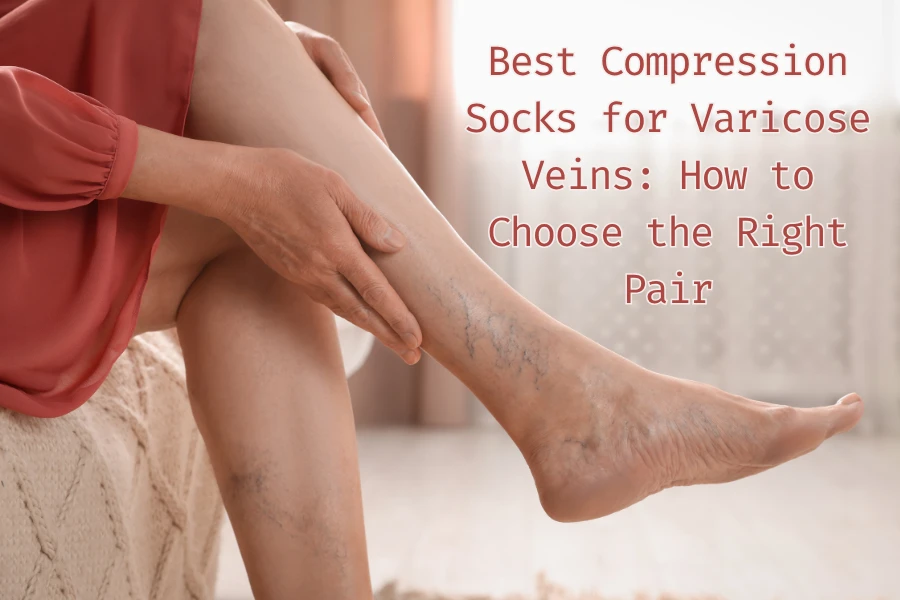
Best Compression Socks for Varicose Veins: How to Choose the Right Pair
Aug 28th 2026
Best Compression Socks for Varicose Veins: How to Choose the Right Pair
What are Varicose Veins?
…
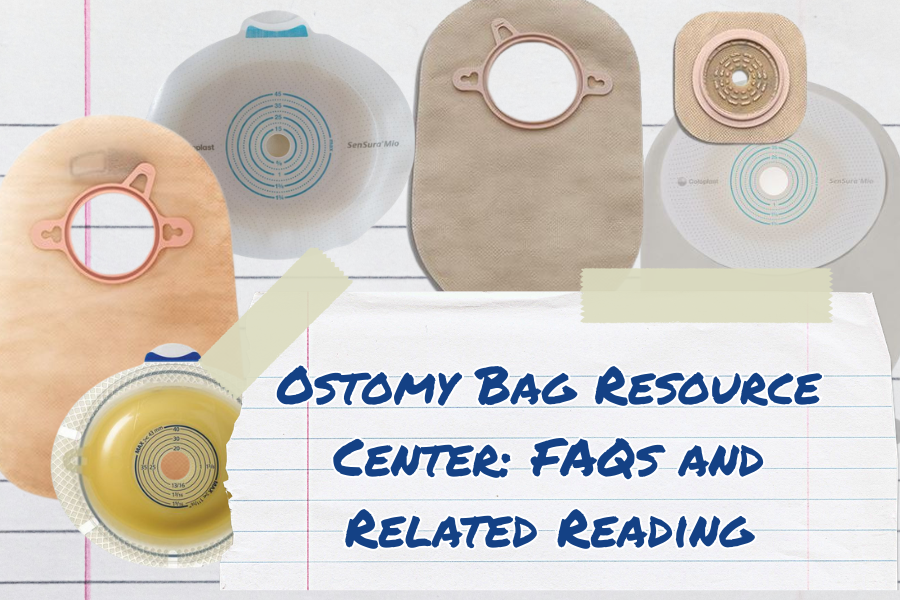
Ostomy Bag Resource Center: FAQs and Related Reading
Aug 12th 2026
Ostomy Bag Resource Center: FAQs and Related Reading
The Essential Guide to 1-Piece Ostomy Ba
…
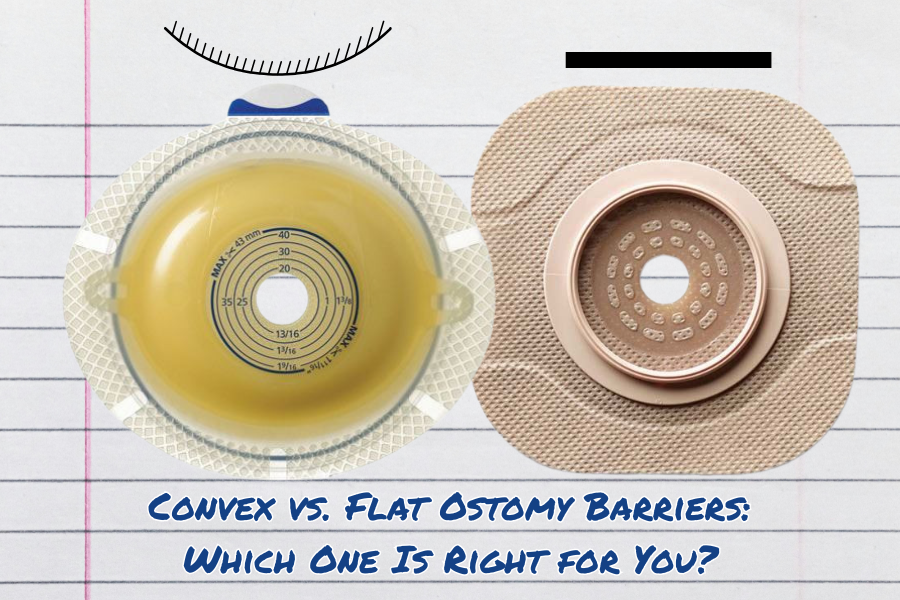
Convex vs. Flat Ostomy Barriers: Which One Is Right for You?
Aug 10th 2026
Convex vs. Flat Ostomy Barriers: Which One Is Right for You?
What Is a Flat Ostomy Barrier
A flat
…