What is an Unna Boot?

Sep 19th 2013

An Unna Boot may sound like the latest trend in fall footwear, but it's not. It's actually not even a boot at all! So, what is an Unna Boot?

What Is An Unna Boot

What Is It?

The Unna Boot is a specialty compression gauze that is usually used on the lower leg. It typically is impregnated with emollients like zinc oxide and Acacia that promote healing while offering protection for a variety of different conditions.

What Does It Treat?

Doctors will recommend using for conditions like: Lymphatic edema, Sprains, Poison Ivy, Poison Oak, Poison Sumac, Fractures, Burns, Skin Grafts, and most commonly, Venous Ulcers.

Leg ulcers are a serious medical and socioeconomic problem worldwide. One type of chronic wound in the lower limbs is the venous ulcer, associated with high blood pressure, diabetes mellitus and chronic venous insufficiency in the lower legs.

- US National Library of Medicine

How Do You Use It?

An Unna Boot is generally a 4" wide by 10 yards long piece of gauze. It's generally wrapped around the leg starting at the toes, ending below the knee. The gauze contains zinc oxide and other ingredients that provide a healing environment. Due to the moist nature of the Unna Boot, an additional layer of gauze or bandage may be needed. The Unna Boot can be left on for up to seven days. More frequent changes will be required for heavily draining wounds.

What To Do Once It's On?

It is important to keep the Unna Boot dry, a cast cover or plastic can be used to keep it dry during bathing, but sponge bathing is recommended. Socks and regular footwear can be worn over the Unna Boot as long as the extra dressings don't cause the shoe to become too tight. Anytime an extremity is wrapped, it should be monitored frequently for signs of pain, swelling or infection.
 
Your healthcare provider can help you decide if using an Unna Boot is right for you  

Explore Our Newest Medical Guides & Insights
Compression Socks and Stockings Buying Guide: How to Choose the Right Size and Style
Compression Socks and Stockings Buying Guide: How to Choose the Right Size and Style

Oct 5th 2026 Anthony Sherman
Compression Socks and Stockings Buying Guide: How to Choose the Right Size and Style How to Choose …
Knee-High vs. Thigh-High Compression Stockings: Which Is Right for You?
Knee-High vs. Thigh-High Compression Stockings: Which Is Right for You?

Sep 24th 2026 Anthony Sherman
Knee-High vs. Thigh-High Compression Stockings: Which Is Right for You? What Are Knee-High Compres …
What Compression Level Do I Need? Understanding mmHg for Compression Socks
What Compression Level Do I Need? Understanding mmHg for Compression Socks

Sep 10th 2026 Anthony Sherman
What Compression Level Do I Need? Understanding mmHg for Compression Socks What Does mmHg Mean for …
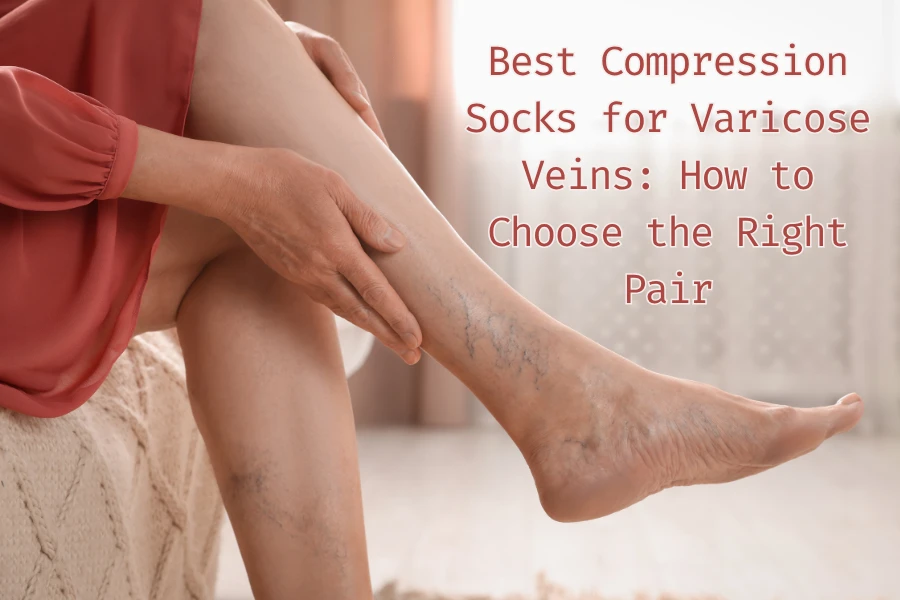
Best Compression Socks for Varicose Veins: How to Choose the Right Pair
Best Compression Socks for Varicose Veins: How to Choose the Right Pair

Aug 28th 2026 Anthony Sherman
Best Compression Socks for Varicose Veins: How to Choose the Right Pair What are Varicose Veins? …
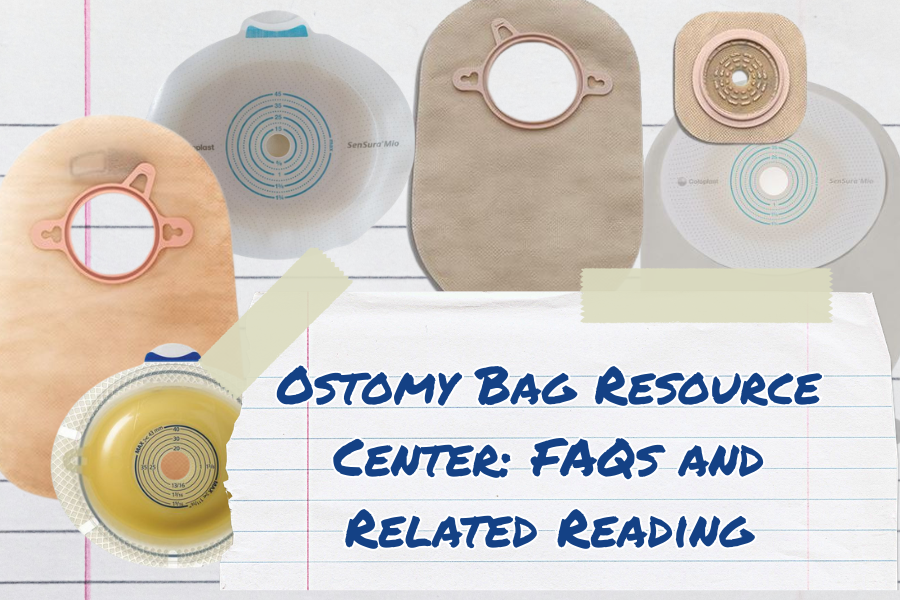
Ostomy Bag Resource Center: FAQs and Related Reading
Ostomy Bag Resource Center: FAQs and Related Reading

Aug 12th 2026 Anthony Sherman
Ostomy Bag Resource Center: FAQs and Related Reading The Essential Guide to 1-Piece Ostomy Ba …
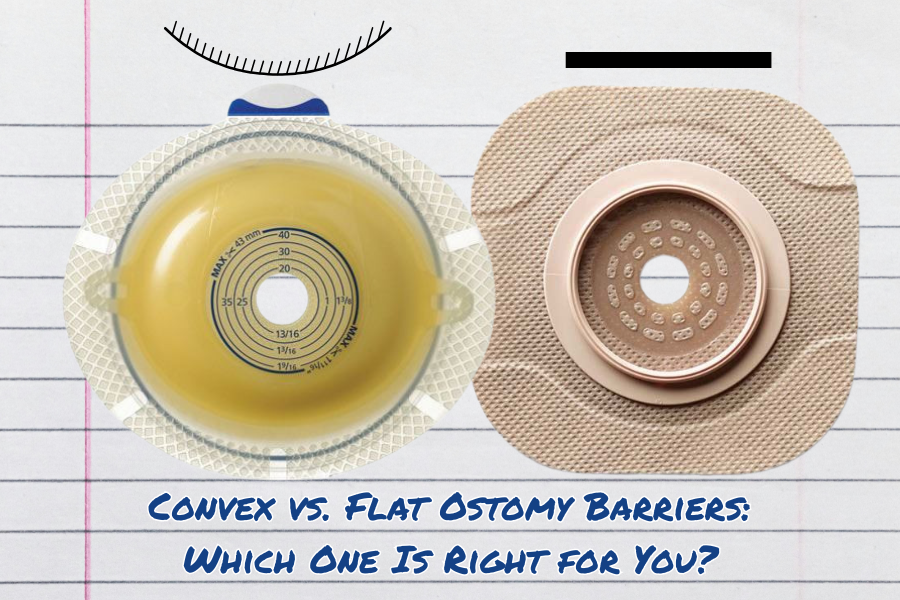
Convex vs. Flat Ostomy Barriers: Which One Is Right for You?

Convex vs. Flat Ostomy Barriers: Which One Is Right for You?

Aug 10th 2026 Anthony Sherman
Convex vs. Flat Ostomy Barriers: Which One Is Right for You? What Is a Flat Ostomy Barrier A flat …