How to Choose the Best Medical Tape for Every Situation

How to Choose the Best Medical Tape for Every Situation
Medical tape is often treated like a simple add-on, but it plays a big role in comfort, skin safety, and keeping wound care dressings and medical devices securely in place. Not all medical tape performs the same way, and the wrong choice can lead to lifting edges, skin irritation, or a dressing that shifts during daily activity. Understanding the main types, along with how adhesive strength, breathability, and removal style differ, makes choosing medical tape much more straightforward for home care routines. With the right match, medical tape support stays reliable without creating unnecessary skin problems or extra hassle during dressing changes.
Types of Medical Tape Explained
The main types of medical tape differ in material, adhesive strength, flexibility, and how they are removed from the skin. Some options are designed to be gentle and breathable for sensitive skin, while others are made to hold firmly through movement, moisture, or heavier dressings. Knowing these differences makes it easier to choose the right tape for common medical tape uses like securing wound dressings, supporting bandages, or keeping medical tubing in place.
For additional information about medical tape, refer to a previous blog: What is Medical Tape?
Paper Medical Tape
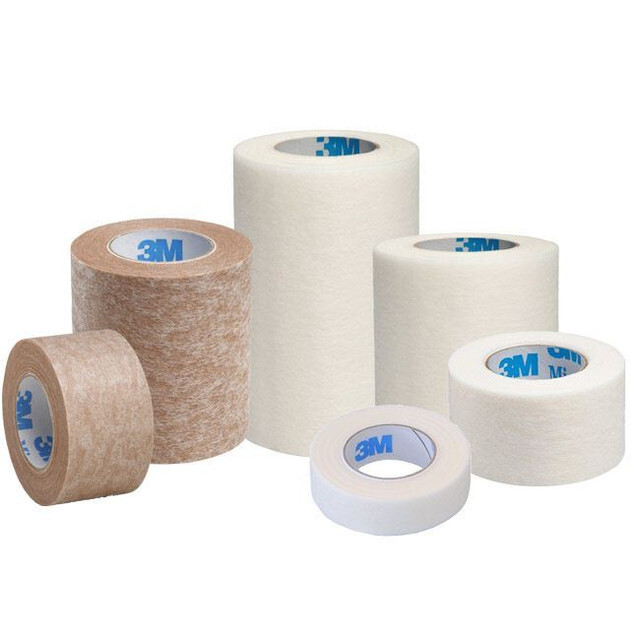 Paper medical tape is one of the most common options for everyday wound care because it is lightweight, easy to tear by hand, and usually gentle on skin. Most paper tape is a breathable medical tape, meaning air can pass through it more easily than many plastic-based tapes. That breathability helps reduce that hot, sweaty feeling that can happen under a bandage, especially when tape is worn for hours at a time.
Paper tape is also a common pick when skin is easily irritated. Many (but not all) paper tapes are hypoallergenic, which means they are made to be less likely to cause a skin reaction than harsher adhesives. That is not a guarantee that irritation will never happen, but it can help lower the risk for sensitive skin. This is one reason paper medical tape is often used when tape needs to be changed regularly, such as during routine bandage changes.
Pros of paper medical tape
- Gentle adhesion that is often better tolerated on delicate skin
- Breathable feel that can support comfort during longer wear
- Tears cleanly for quick sizing and easy application
- Often easier to remove than stronger tapes
Cons of paper medical tape
- Less secure for heavy dressings or situations with a lot of movement
- Can loosen faster with sweat, bathing, or humid conditions
- Not always the best choice for securing tubing or medical devices long-term
A common example is 3M Micropore Paper Tape, which is used for light dressings and everyday bandage support when a breathable, skin-friendly hold is needed. For wider coverage, McKesson White Paper Surgical Tape 2 Inch X 10 Yard can be a practical option when a dressing benefits from more surface contact without stepping up to a stronger adhesive tape.
Cloth Medical Tape
Cloth medical tape is designed for stronger, more durable hold than paper tape, making it a common choice when a dressing needs to stay put through movement. It is typically more flexible than it looks, so it can bend with the body while still holding firmly. Because it grips well and resists lifting, cloth tape is often used as medical tape for bandages that need extra support, especially when the area is active or the dressing has more weight.
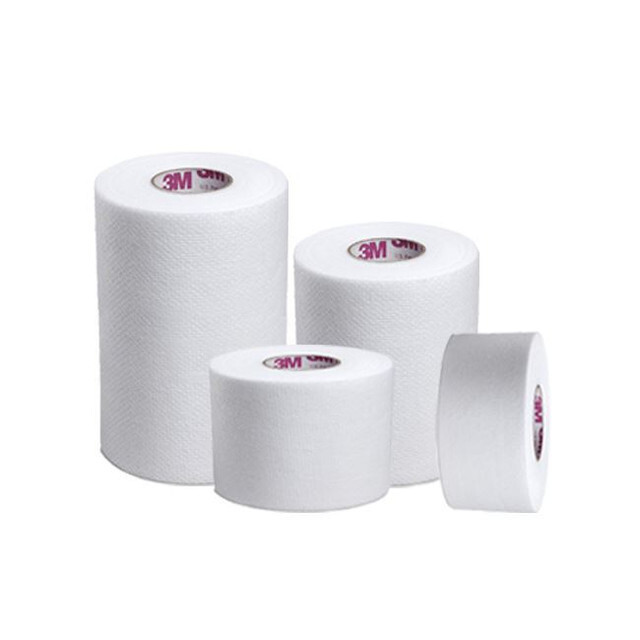 Compared to gentler options, cloth tape can feel more secure but can also be more demanding on the skin during removal. This is why cloth medical tape with a stronger adhesive is usually best reserved for situations where a secure hold matters more than easy removal. It also tends to perform better than paper tape in many everyday conditions, but it is not always the most comfortable option for fragile skin or frequent tape changes. For many people, cloth tape becomes the go-to medical tape for active use because it holds up well during walking, working, and general daily movement.
Pros of cloth medical tape
- Strong, reliable hold for bandages and heavier dressings
- Durable and flexible for movement and active areas
- Often resists lifting better than paper tape
- Useful when dressing security is the top priority
Cons of cloth medical tape
- Can be harder to remove, especially on sensitive or fragile skin
- Higher risk of irritation if used repeatedly in the same area
- Not ideal when tape needs frequent repositioning or daily changes
The 3M Medipore H Soft Cloth Surgical Tape, which offers a soft cloth backing with secure adhesion for dressings that need to stay in place, is a reliable choice for cloth tape. Another option is McKesson Surgical Cloth Tape White 2 Inch X 10 Yard, which can work well when a wider, stronger strip is needed to reinforce bandages or help stabilize a dressing during activity.
Transparent Medical Tape
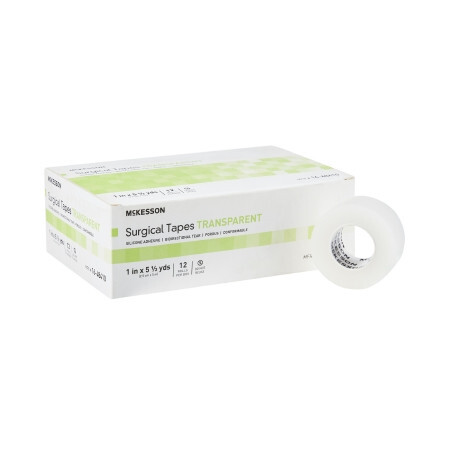 Transparent medical tape is a clear, plastic-style tape that makes it easier to see the skin underneath without peeling the tape back. That visibility is a major reason it is used as medical tape for IV lines and medical tape for tubing, since it can help keep a site stable while still allowing examination of the area.
Transparent tape is sometimes treated like a waterproof option, but that depends on the exact tape. Many transparent tapes handle light splashes and mild moisture better than paper tape but true waterproof performance comes from the specific product and proper application. In home use, transparent tape is often chosen when it helps to see the skin or dressing area without removing the tape and when a dressing needs support in a spot that may get damp.
Pros of transparent medical tape
- Clear design allows visibility of skin, wound edges, or an IV site
- Often works well as medical tape for tubing and device securement
- Many options are breathable medical tape, so air can still pass through
- Can hold up better than paper in mildly damp situations
Cons of transparent medical tape
- Can be less comfortable on sensitive or fragile skin than gentler tape types
- May trap moisture if the skin is not fully dry before application
- Some versions are not very flexible, so they can lift on high-movement areas
- Removal can be uncomfortable if used on delicate skin or removed too quickly
The McKesson Transparent Medical Tape 1 inch x 5 1/2 Yard provides a clear tape choice for routine securement where visibility is useful. Another transparent option is McKesson Transparent Medical Tape 2 Inch X 10 Yard, which offers wider coverage when a dressing or tubing securement benefits from more surface contact.
Foam Medical Tape
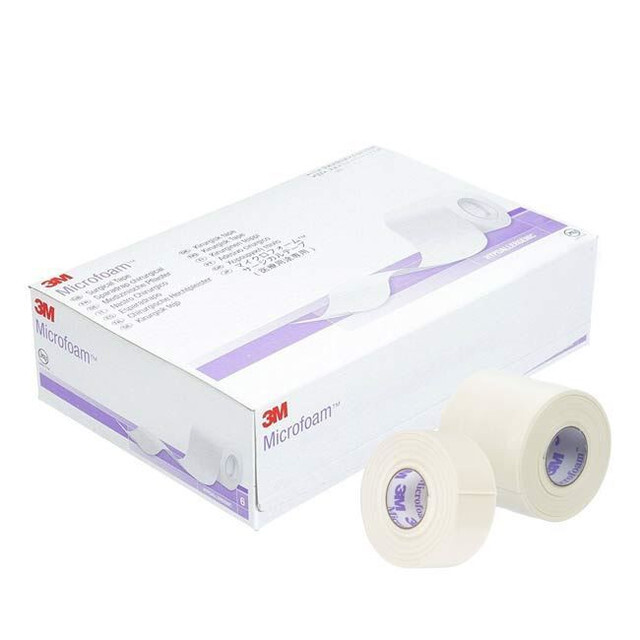 Foam medical tape is a good choice when a dressing or device needs support without a stiff feel on the skin. It is a cushioned medical tape that flexes with movement and can feel more comfortable during longer wear than tapes with a firmer backing. This makes it a useful option when comfort matters along with secure hold.
Foam tape is also a useful flexible medical tape for areas that do not stay flat during normal movement. It can shape itself more easily around curves, joints, and other uneven surfaces, which helps it keep better contact with the skin and reduces early edge lifting. That combination of flexibility and cushioning makes foam medical tape a practical choice when a dressing needs support in a spot that shifts or bends often.
Pros of foam medical tape
- Cushioned feel that can improve comfort during wear
- Flexible backing that moves with the body
- Conforms well around curves and joints
- Helpful for medical tape for uneven surfaces
Cons of foam medical tape
- Can be bulkier than paper or transparent tape
- May not be necessary for simple flat dressing securement
- Adhesion can vary depending on moisture and movement
- Usually costs more than basic paper tape
A good choice for foam tape is 3M Microfoam Elastic Surgical Tape, which stretches and conforms to body contours for cushioning and support. It can be a practical choice when comfort and flexibility matter more than a thin low-profile tape.
Silicone Medical Tape
Silicone medical tape is made for situations where skin comfort and gentle removal matter as much as keeping a dressing secure. Instead of using a more aggressive adhesive, silicone tape is designed to form a reliable seal against the skin while still removing smoothly. This is why silicone tape is often used as medical tape for elderly skin and for fragile skin where tearing, redness, or soreness can happen easily.
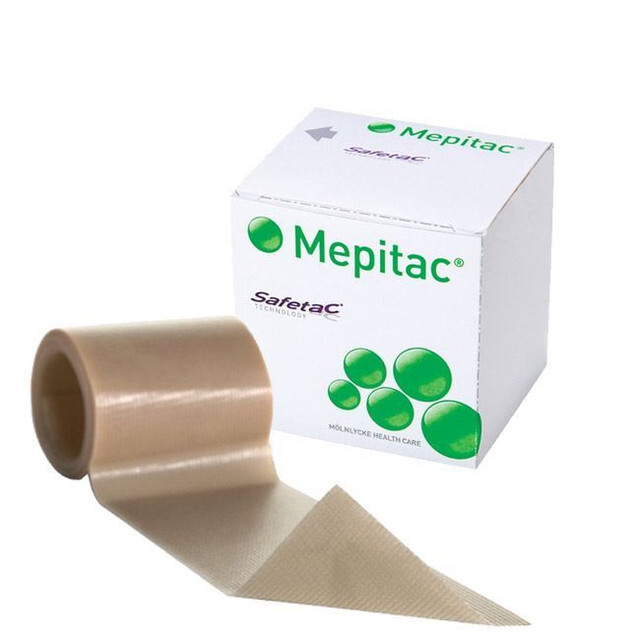 One key benefit is how it behaves during removal and re-application. Silicone tape tends to minimize skin trauma, which means it is less likely to strip the top layer of skin during removal when it is used correctly. That matters for repeated dressing changes, since a cycle of strong tape removal can leave skin irritated and more vulnerable over time. Silicone tape is often a better fit than cloth tape when the routine involves frequent changes, ongoing skin sensitivity, or a higher risk of skin breakdown. Some silicone tapes are also transparent, which can combine gentle removal with easier visibility.
Pros of silicone medical tape
- Gentle medical tape option designed to protect fragile skin
- Minimizes skin trauma during removal compared to stronger adhesives
- Often suitable for repeated dressing changes and re-application
- Can be more comfortable for long-term wear on delicate skin
Cons of silicone medical tape
- May not hold as firmly as cloth tape for heavy dressings or high-motion areas
- Can cost more than basic paper or cloth tape
- Requires clean, dry skin for best adhesion, especially in humid conditions
One option is Mölnlycke Mepitac Soft Silicone Tape, which is designed to secure dressings while remaining easier on fragile skin during removal. Another silicone option that is also clear is McKesson Transparent Medical Tape 1 Inch X 5-1/2 Yard, which can be useful when visibility is preferred while still prioritizing gentler removal.
Why Choosing the Right Medical Tape Matters
Choosing the best medical tape matters because different tapes are built for different jobs. A tape designed to hold firmly through movement may feel harsh if it is used on fragile or irritated skin, while a gentler tape intended for easy removal may not be the right choice when a stronger, longer-lasting hold is needed. What works in one situation can change quickly depending on sweat, bathing, constant movement, and how long the tape needs to stay in place.
Using the wrong type of tape can lead to lifted edges, shifting dressings, residue that is harder to clean, and irritation that gets worse with repeated changes. Knowing how to choose medical tape helps keep common medical tape uses more predictable, with a secure hold and removal that is appropriate for the skin and the situation.
How to Choose the Best Medical Tape for Your Needs
Choosing the best medical tape depends on what needs to be secured, how long it needs to stay in place, and how the skin will handle both wear and removal. A tape that works perfectly for a simple dressing change can be the wrong fit for tubing, daily wear, or high-movement areas.
For a quick refresher on common tape types and why they behave differently, this reference can help: 3M: Medical Tape Guide
Medical Tape for Wound Care and Dressings
For wound care, most medical tape uses come down to keeping the dressing flat, sealed at the edges, and stable through normal movement. The best fit is usually a balance between a reliable hold and skin-friendly removal, especially when changes happen often.
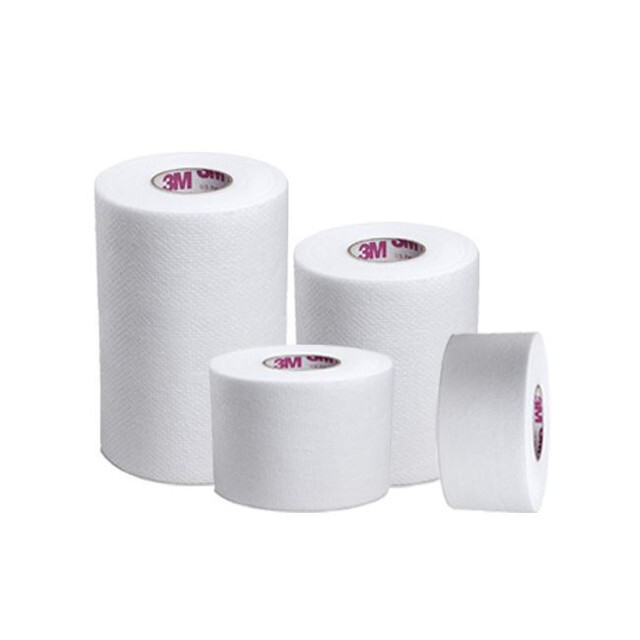 Paper tape is a strong choice for frequently changed dressings because it is lightweight and breathable while still holding securely. 3M Micropore Paper Tape is breathable, hypoallergenic, and latex-free, and it is also made to work well on “at-risk” skin and even slightly damp areas. If a dressing sits on a curve or needs more flexibility, soft cloth tape can be a better match. 3M Medipore H Soft Cloth Surgical Tape is a soft cloth tape with added gentleness and stronger adhesion for more demanding situations.
Medical Tape for Sensitive or Fragile Skin
For sensitive or fragile skin, how to choose medical tape depends less on “maximum hold” and more on reducing irritation across repeated wear and removal. The wrong tape type in this situation can lead to redness, soreness, and skin stress that builds over time.
Soft silicone tape is often used when removal needs to be as stress-free as possible. Mölnlycke Mepitac Soft Silicone Tape is breathable, conforms to body contours, leaves no residue, and is designed to be soft and non-painful on removal while helping protect fragile or sensitive skin. For a transparent option with silicone in the material, McKesson Transparent Medical Tape 1" x 5-1/2 yd is porous and uses a plastic and silicone material. Paper tape can also fit sensitive-skin needs when breathability and gentleness matter most, including 3M Micropore Paper Tape.
Medical Tape for Securing Tubing or Medical Devices
Securing tubing or medical devices usually calls for a tape that stays put under pulling, clothing friction, and everyday movement. The goal is to keep these items stable and reduce tugging at the attachment point, which can help prevent shifting and discomfort.
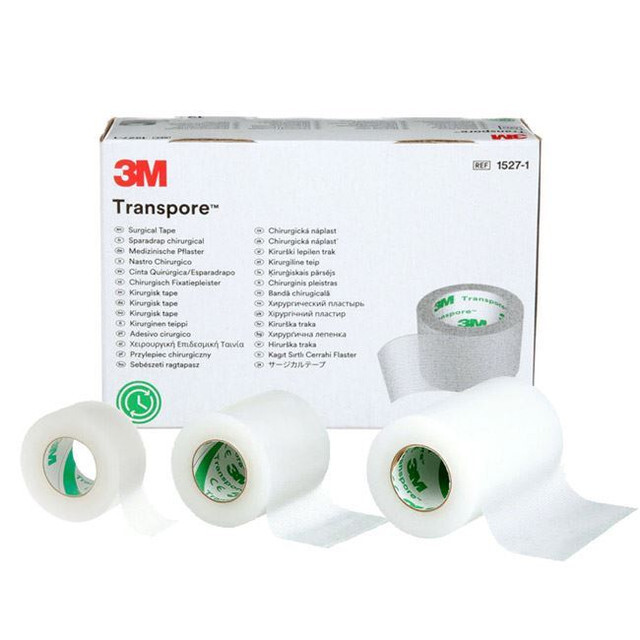 Transparent perforated plastic tape is often used in this situation because it stays visible, tears cleanly, and is easier to handle during application. 3M Transpore Plastic Tape is transparent, breathable, perforated, has strong adhesion, and tears easily. When stronger hold is the priority, a silk-like cloth tape can be the better fit. 3M Durapore Silk-like Surgical Tape is permeable, hypoallergenic, and easy to tear, with a firmer securement style that can help with device stability.
Medical Tape for Active Lifestyles or Sports
For higher activity levels, the best medical tape is the one that keeps its hold when sweat, motion, and friction ramp up. A tape that feels secure during normal, low-movement wear can start peeling at the edges once the skin gets damp and the area is constantly bending or rubbing.
Cloth and foam tapes are common choices when flexibility and a long-lasting hold are most important. 3M Durapore Silk-like Surgical Tape can be useful when the tape needs to stay put under movement. For areas that need to stretch and conform around joints or contours, 3M Microfoam Elastic Surgical Tape is a reliable and flexible option.
Medical Tape for Long-Term or Daily Use
For long-term or daily use, the best medical tape is the one that stays comfortable on skin through repeated wear and removal over time. When the tape type is too aggressive for the skin or the wear time, irritation can build with each change, and removing it can start to feel like part of the problem instead of part of the routine.
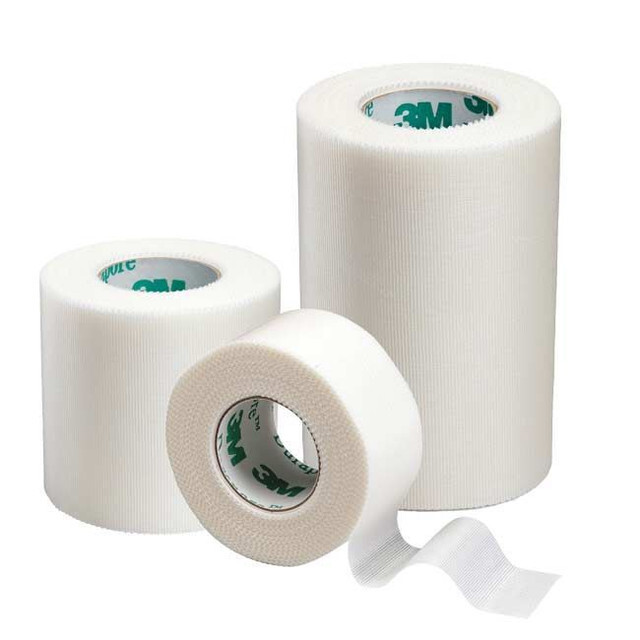 A breathable paper tape like 3M Micropore Paper Tape can work well when changes are frequent while keeping a comfortable feel. When fragile or easily irritated skin is involved, a soft silicone option like Mölnlycke Mepitac Soft Silicone Tape can help reduce redness and discomfort during removal while still keeping dressings in place. If longer wear or higher friction calls for a firmer hold, 3M Durapore Silk-like Surgical Tape can be a better fit as long as the skin tolerates that level of adhesion without becoming irritated.
Key Features to Look for in Medical Tape
The easy at-a-glance features to look for while shopping for medical tape.
- Appropriate Adhesion Strength
- Skin-Friendly Removal
- Breathability
- Flexibility
- Moisture Resistance
- Low Residue
- Easy Handling and Application
Medical Tape Comparison Chart (Performance Profiles by Tape Type)
Visual scores are category-level comparisons only, not exact measurements. Performance can vary by product design, skin condition, placement, and wear time.
Common Medical Tape Mistakes to Avoid
Many medical tape mistakes happen when the choice of tape or application method does not match the user's skin condition, required wear time, or purpose. Even a good tape can cause problems when it is used the wrong way.
Using strong adhesive on fragile skin
A stronger tape is not always the better choice. Using a firm adhesive on thin, irritated, healing, or fragile skin can increase the risk of redness, soreness, and medical tape skin damage during removal. In these situations, a gentler tape type is often the safer match, especially when changes are frequent.
Applying tape too tightly
Tape should secure a dressing or device, not create extra pressure. When tape is stretched too much or applied too tightly, it can pull on the skin, feel uncomfortable during movement, and cause edges to lift sooner than planned. A smooth, supportive application usually holds better than an overly tight one.
Reusing medical tape
Reusing tape is a common mistake because it may seem like it can still stick, but performance greatly drops after removal. Reapplied tape can lose adhesion, collect lint or debris, and create an uneven hold that increases the chance of lifting or shifting. Fresh tape is far more reliable and gentler than trying to force worn adhesive to work again.
Removing tape too quickly or improperly
Fast removal can be one of the biggest causes of irritation. Pulling tape off quickly, especially at a steep angle, can increase discomfort and raise the risk of skin damage. Slower removal with support to the surrounding skin helps reduce stress on the area and makes repeat changes easier to tolerate.
Recognizing these medical tape mistakes early can make everyday tape use more comfortable, more consistent, and less likely to cause avoidable skin problems.
Frequently Asked Questions About Medical Tape
Is Medical Tape Waterproof?
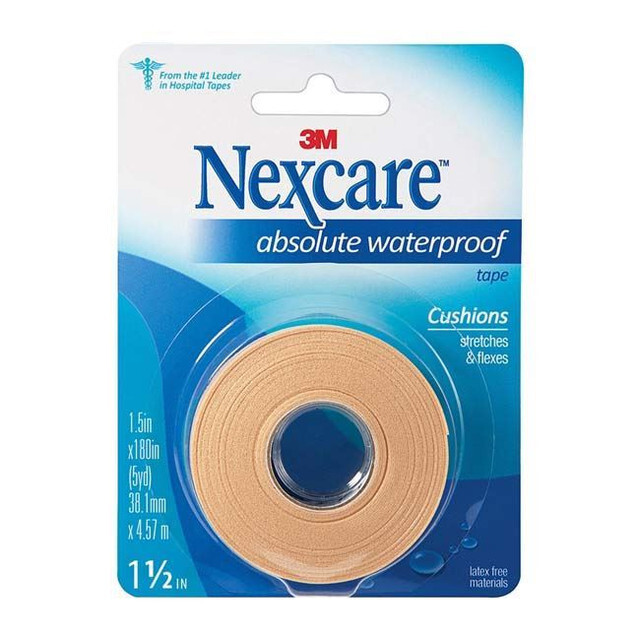 Not always. Some tapes are waterproof, some are water-resistant, and some are mainly designed for breathability and gentle removal instead of water exposure. For example, Nexcare Absolute Waterproof First Aid Tape is waterproof, but it should be noted that water exposure still matters even with water resistance. If a dressing gets too wet or dirty, it should be changed.
Can Medical Tape Be Used on Sensitive Skin?
With the right tape, yes. Gentle paper tape and silicone-based tape are common choices when there are frequent changes or easier removal is needed. Using the wrong type of tape can lead to a painful cycle where the skin becomes more irritated with each change, making it harder to keep dressings secure without causing more damage.
How Long Can Medical Tape Stay On?
It depends. There is no single wear time for all medical tapes because wear time changes based on tape type, skin condition, body location, moisture, movement, and what is being secured. The safest baseline is to follow the tape instructions and any clinician guidance for the specific product and situation.
For routine wound covering, users should be changing the covering at least once a day or whenever it becomes wet or dirty. That often means the tape is changed at the same time.
What Width Medical Tape Should I Choose?
It depends. The right width depends on what is being secured. Narrower tape can work better on small areas, fingers, or tubing, while wider tape usually provides better hold for larger dressings because it gives more contact area on the skin.
Can Medical Tape Replace Adhesive Bandages?
Somewhat. Medical tape can replace an adhesive bandage when it is used with a proper dressing material such as sterile gauze. Rolled gauze or gauze held in place with paper tape is often a way to cover a wound.
Medical tape alone is not a full replacement for adhesive bandages in many situations because adhesive bandages include a built-in wound pad. Tape is a securement tool, while many bandages are a combined cover plus adhesive.
Final Thoughts on Choosing the Right Medical Tape
The best medical tape is the tape that fits the skin and the task. Choosing medical tape gets easier when the choice is based on what the tape needs to do and how the skin responds during wear and removal. Medical tape uses vary from simple dressings to daily securement so the right match can make care feel easier and help the tape perform the way it should. A careful choice improves comfort reduces irritation and leads to better results over time.
Explore Our Newest Medical Guides & Insights
Bathroom Mobility Aids: Safety Equipment for Seniors, Disabled, and Post-Surgery Recovery

Foley Catheter Guide: Uses, Sizes, Care, and How to Choose the Right Catheter

Medical Supplies You Should Always Keep at Home (And When You’ll Need Them)
How to Choose the Best Medical Tape for Every Situation
Tattoo Shop Sanitation Basics: Building a Clean, Repeatable Workflow