
How to Clean Your Nebulizer
Jan 5th 2016
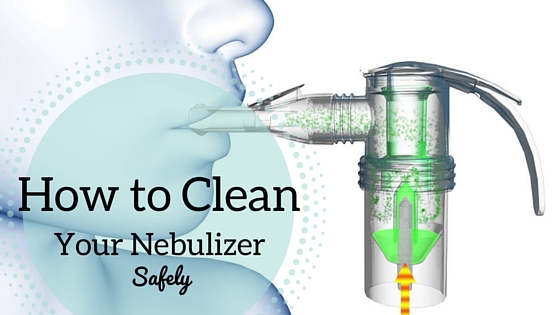
How to Clean Your Nebulizer Safely:
After Each Breathing Treatment:
- Wash your hands with soap and warm water.
- Take apart the nebulizer, check your instructions for how to disassemble your nebulizer.
- Rinse the mask or mouthpiece with warm running water for at least 30 seconds.
- Do not wash nebulizer tubing or compressor, always check your instructions.
- Shake off excess water and place parts on a clean dry paper towel for air-drying.
- Never immerse your compressor or tubing in water
- Reassemble the nebulizer system after the individual parts have dried.
Once a Week Deep Cleaning:
- Consult your owner's manual for specific instructions.
- Wash your hands with soap and warm water
- You may be instructed to soak some nebulizer parts (except mask, tubing, and compressor) in one part distilled white vinegar/three parts hot water for one hour. Throw away cleaning solution when finished.
- Rinse nebulizer parts in warm running water for 30 seconds.
- Shake off excess water from nebulizer parts and allow to air dry as much as possible.
- Never place wet nebulizer parts in a sealed bag. Allow to dry thoroughly.
Important Notes Concerning Cleaning:
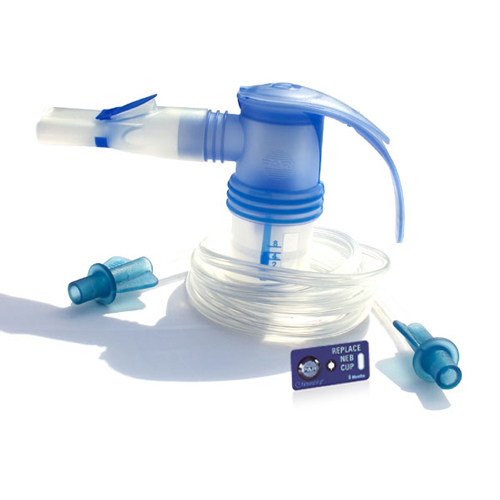
Some nebulizer parts may be top-rack dishwasher safe however a nebulizer mask should never go through the dishwasher. Check your manual to make sure your nebulizer is listed dishwasher safe. Never place battery or power components in water! Never place tubing in water, if your tubing gets wet, connect it to your compressor and then allow air to run through the tubing to dry it completely before using the tubing again. If you can not get the tubing dry, you need to discard the tubing and use a brand new nebulizer kit or a new set of tubing.
Explore Our Newest Medical Guides & Insights

Compression Stockings and Socks Resource Center: FAQs and Related Reading
Oct 6th 2026
Compression Stockings and Socks Resource Center: FAQs and Related Reading
Best Compression S
…

Compression Socks and Stockings Buying Guide: How to Choose the Right Size and Style
Oct 5th 2026
Compression Socks and Stockings Buying Guide: How to Choose the Right Size and Style
How to Choose
…

Knee-High vs. Thigh-High Compression Stockings: Which Is Right for You?
Sep 24th 2026
Knee-High vs. Thigh-High Compression Stockings: Which Is Right for You?
What Are Knee-High Compres
…

What Compression Level Do I Need? Understanding mmHg for Compression Socks
Sep 10th 2026
What Compression Level Do I Need? Understanding mmHg for Compression Socks
What Does mmHg Mean for
…

Best Compression Socks for Varicose Veins: How to Choose the Right Pair
Aug 28th 2026
Best Compression Socks for Varicose Veins: How to Choose the Right Pair
What are Varicose Veins?
…
Ostomy Bag Resource Center: FAQs and Related Reading
Aug 12th 2026
Ostomy Bag Resource Center: FAQs and Related Reading
The Essential Guide to 1-Piece Ostomy Ba
…