Bathroom Mobility Aids: Safety Equipment for Seniors, Disabled, and Post-Surgery Recovery

Bathroom Mobility Aids: Safety Equipment for Seniors, Disabled, and Post-Surgery Recovery
Maneuvering the home with restricted mobility can be a very challenging task, but staying safe and mobile in the bathroom can be even harder. With the combination of wet surfaces and unforgiving materials like tile, ceramic, or porcelain, risks of injuries or falls are high. However, using the right aids and precautions greatly helps seniors, people recovering after surgery, or those with physical disabilities.
Bathroom Mobility Aids FAQs
What are commodes used for?
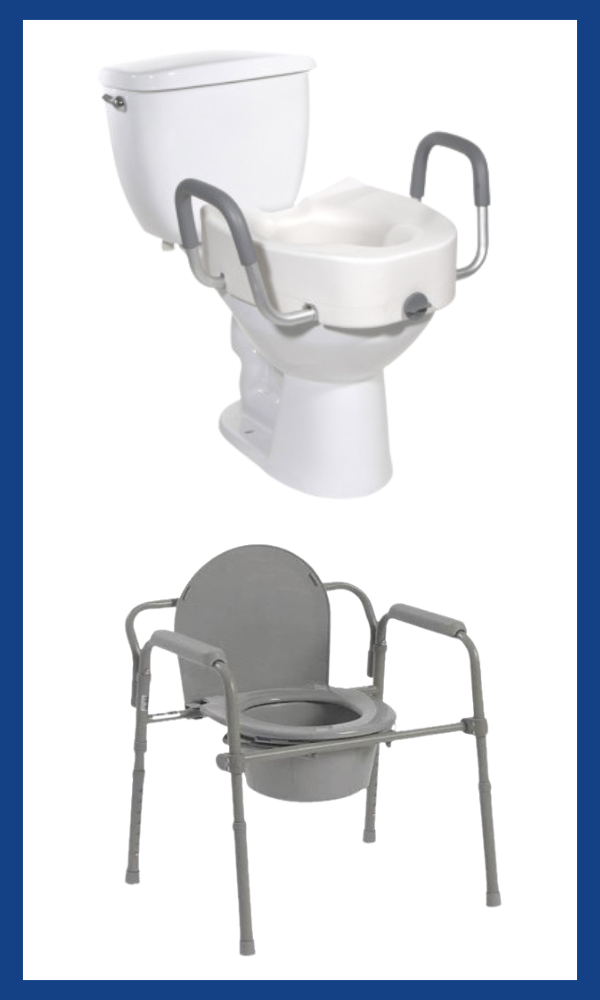
A commode is a portable toilet that can be set up to favor customers' specific needs. For users with very little mobility, having it by their bedside allows them to minimize movement while going about their normal routine. For people with simply restricted mobility, putting it above a standard toilet helps reduce strain while getting up or sitting down, along with having armrests to assist the process.
What is the point of raised toilet seats?
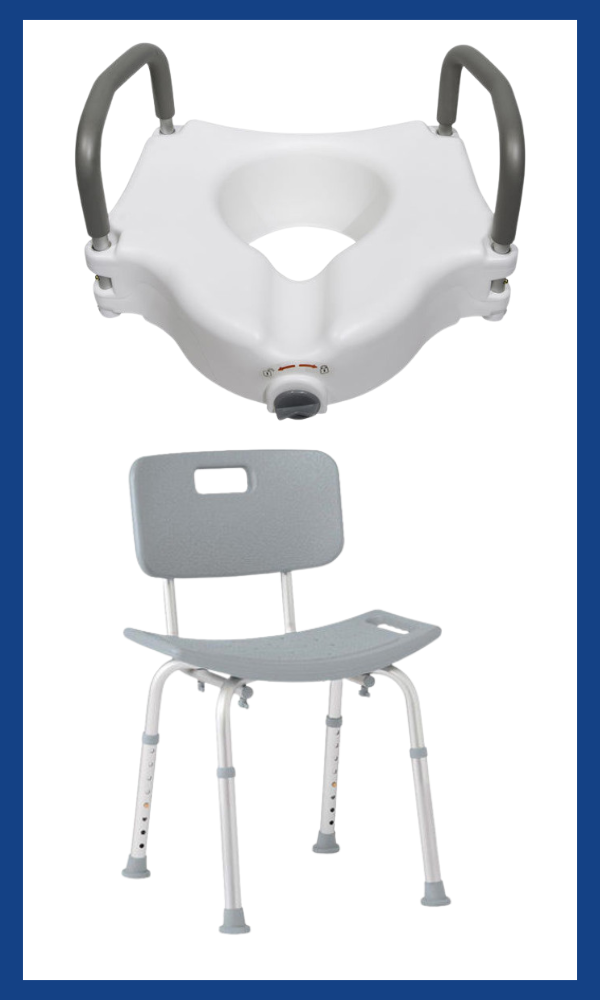
Raised toilet seats help those with restricted mobility, greatly diminishing the range of motion required to sit down. While softening the strain on joints, a raised seat helps minimize fall risks and promotes bathroom independence.
How do I use a transfer bench?
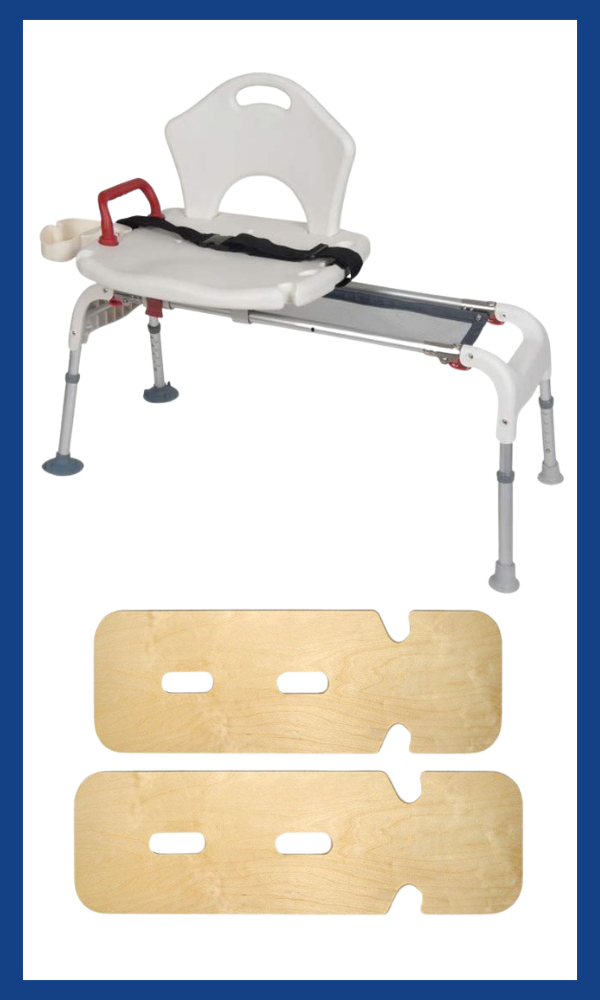
A tub transfer bench is placed over the tub wall, which enables safe, seated entry and exit from a bathtub. Simply sit on the outside edge, safely swing the legs over and slide to the center of the bench.
What is the difference between a shower chair and a transfer bench?
A shower chair is placed entirely inside the shower or tub so users can sit while washing, which is for those who have trouble standing for long periods, but are still able to step over the tub wall. A transfer bench is for those who have little balance and are unable to safely get into the tub.
Signs You May Need Bathroom Mobility Aids
A common cause for injuries in the bathroom is waiting until after an accident to install or use mobility aids. Knowing what warning signs to look for can be a great help, making sure that the correct equipment is ordered before it’s necessary.
| Mobility Aid | Best For | Where Used | Main Benefit |
|---|---|---|---|
| Raised Toilet Seat | Knee, hip, arthritis | Toilet | Easier sitting & standing |
| Shower Chair | Poor balance | Shower | Sit while bathing |
| Transfer Bench | Cannot step into tub | Tub | Safe tub entry |
| Bedside Commode | Very limited mobility | Bedroom | Reduces walking |
| Grab Bars | Fall prevention | Toilet & shower | Extra support |
Bathroom Modifications That Improve Mobility
Equipment like transfer benches, raised toilet seats, or shower chairs are placed inside the bathroom, but are not built in. While this can be a worthwhile solution, having bathroom safety modifications built in can help take the extra step towards creating a mobility friendly environment.
Install grab bars near the toilet and shower
Having grab bars that are anchored to the walls of your bathroom provides the most stability possible while using a toilet or getting in and out of a shower. A more affordable but slightly less stable option are grab bars that attach using suction cups. These can be added to any bathroom, but cannot withstand the same amount of weight. Whether you’re using an anchored or suction grab bar, it is important to check with the supplier or a professional to make sure the equipment is installed correctly.
Improve lighting in the bathroom
Having poor or dim lighting inside the bathroom can greatly increase fall risk and make the overall experience more difficult for those with mobility issues. Motion activated lights are ideal, especially for any nighttime bathroom trips, but aren’t always practical for those who don’t already own them. A simple lamp or brighter bulbs can be a great way to increase visibility in the bathroom.
Use non-slip mats
Non-slip mats are one of the easiest additions that can make the bathroom considerably safer. A mat placed along the length of the bathroom (or just in front of the shower) can make maneuverability a less intimidating task.
Widen clear space for mobility devices
A common problem that people who use walkers or are in wheelchairs come across is their mobility devices not fitting into the bathroom. This can be a challenging task, but not an impossible one. Removing the door can often give just enough space to fit, and is a cheap option. For inside the bathroom, getting a smaller vanity or smaller sink can free up clear space.
Caregiver Tips for Bathroom Safety
There are a lot of people with mobility restrictions that have caregivers to ensure their routines stay safe and easy.
- Install grab bars before surgery
- Remove loose rugs
- Use a handheld shower head
- Keep towels within reach
- Install night lights for nighttime bathroom trips
- Consider a bedside commode to reduce walking at night
Common Bathroom Mobility Mistakes to Avoid
Buying the right equipment doesn’t mean the bathroom is immediately a safe place. It is vital to make sure all aids are being used and are installed the correct way. There are several ways to double check that your mobility equipment is being utilized well.
Using Unstable Furniture Instead of Proper Equipment
Using furniture in the bathroom or more specifically the shower that is not meant for it can increase the risks of injuries even more than having no furniture at all. Normal furniture, such as chairs being used as shower chairs, is not designed for wet environments and cannot resist slipping. It is key to use shower chairs, transfer boards, or raised toilet seats that have been tested and are designed for mobility needs.
Choosing Equipment Without Checking Weight Capacity
All equipment that provides support, either by grabbing it for stability or sitting on it, has a weight limit. Customers must make sure that they check the weight limit for each product before purchasing. There are plenty of products with an increased limit, such as Drive Medical’s tub transfer bench. All users have different requirements, but mobility aids come in all capacities and sizes.
Placing Mobility Aids Incorrectly
All mobility equipment has a correct way to install/use it. When they are placed incorrectly, they will not function as they are designed to and can heighten the likelihood of falls or injuries. Transfer benches need to be placed level with the tub wall, while making sure it is still and secure. Raised toilet seats have different requirements for how they need to be installed, so users should make sure to check the specific directions for their seat. Shower chairs must be positioned on as even a surface as possible, without rocking back and forth when there’s weight put on it.
Waiting Too Long to Add Mobility Support
Most falls or injuries in the bathroom happen because people wait to get mobility aids or safety precautions until after they have an accident or fall. It’s important to look for warning signs and recognize when extra stability is needed. If you don’t know what kind of help you need, consult your doctor and find out what equipment is best for your situation.
How to Choose the Right Bathroom Mobility Aid
When choosing bathroom mobility aids, it is important to consider the user’s mobility level, balance, and strength.
Things to consider:
- Weight capacity
- Adjustable height
- With or without armrests
- With or without a backrest
- Size of the bathroom
- Temporary vs permanent use
- Doctor recommendations
- Ease of cleaning
- Rust-resistant materials
Bathroom Mobility Aids After Surgery or Injury
Many mobility aids are designed for permanent support, for those who have long term disabilities or movement issues. For those recovering from surgery or a more minor injury, the equipment is simply a temporary addition.
Safety in the Bathroom: Mobility Made Easy
Staying safe and balanced in the bathroom is a very important task, but it doesn’t have to be as daunting as some people think. Staying prepared ahead of time, buying the equipment that’s right for your situation, and using it as the manufacturer instructs, can prevent serious injury and create a more comfortable experience. It is advised to check with your doctor and ask what equipment will help you the most, and always read the instructions to know the right way to use all equipment.
Explore Our Newest Medical Guides & Insights
Bathroom Mobility Aids: Safety Equipment for Seniors, Disabled, and Post-Surgery Recovery

Foley Catheter Guide: Uses, Sizes, Care, and How to Choose the Right Catheter

Medical Supplies You Should Always Keep at Home (And When You’ll Need Them)

How to Choose the Best Medical Tape for Every Situation

Tattoo Shop Sanitation Basics: Building a Clean, Repeatable Workflow