The Ins and Outs of Intermittent Catheter Lubrication
The Ins and Outs of Intermittent Catheter Lubrication
Urinary catheters are an important facet of life for those dealing with bladder issues, surgery recovery, or long-term medical conditions. When done correctly, catheterization should be as safe and comfortable as possible. One of the biggest factors to both is lubrication. Although hydrophilic catheters don’t require it, standard catheters do, and need to be lubricated correctly. Clean cathing does not stop at the catheter; the work area, the user, and all medical supplies must be kept as clean and sterile as possible to help reduce the risk of infection. When following your doctor’s and our specific steps, the lubing process can be made simple and effective.
What Types of Catheters Require Lubrication?
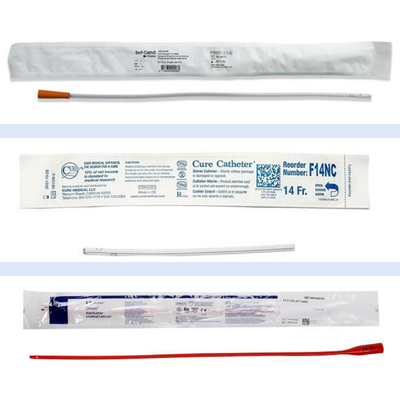 For catheters bought by customers for at-home use, the type that most typically requires lubrication are uncoated intermittent catheters. These are straight (usually silicone) catheters that come fully dry in a basic and sterile packaging. Due to this, additional sterile lubricating jelly is required along the length of the insertion end to help minimize friction and discomfort during cathing. Hydrophilic catheters are the exact opposite, as they are designed to become slick when activated with water or come pre-lubricated in a closed system. As for external catheters, such as Condom, Texas, and McGuire catheters, no additional lubrication is required, as they are simply and easily affixed to the skin. While Foley Catheters require lubrication, the process is different from the uncoated intermittents.
Sterilization Techniques
When lubricating and inserting an intermittent catheter at home, “sterile as possible” starts with the workspace. The area where supplies are laid out should be clean, dry, and free of clutter. Ideally a hard, wipeable surface. Many users place a disposable underpad down first to create a barrier between their supplies and any potentially dirty surface. This underpad also helps catch any drips of urine or lubricant so they don’t end up on clothing or furniture. Before opening anything, it’s smart to have all necessary items within reach. Having everything laid out in the workspace makes the process easier and reduces the risk of cross-contamination.
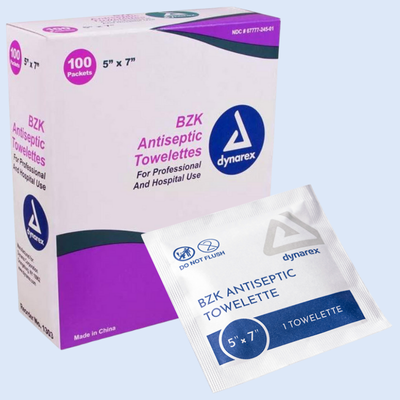 Hand hygiene is the next extremely important step. Hands should be washed thoroughly with soap and water for at least 20 seconds, making sure to scrub between fingers and under nails, then dried with a clean towel or disposable paper towel. If soap and water aren’t immediately available, an alcohol-based hand sanitizer can be used as a backup, but it should be rubbed in until completely dry before handling the catheter or lubricant packets. To further ensure clean hands, latex-free gloves are perfect to completely prevent skin-to-catheter contact. Gloves can also be a good fit if the user is cathing on-the-go and doesn’t have access to sufficient soap and water. Some people also use alcohol wipes to clean the skin around the urethral opening, allowing the area to air dry before proceeding. If alcohol wipes are too harsh on the skin, BZK Antiseptic Towelettes or Povidone-Iodine Prep Pads are perfect fits for those seeking a clean experience that doesn't agitate the insertion area. The key idea is simple: once hands and the surrounding area are clean, nothing that isn’t clean should touch the catheter’s insertion end.
Finally, the catheter and lubricant themselves must stay as clean as possible until use. The intermittent catheter should be opened carefully at the package end without touching the tip that will be inserted. Sterile lubricating jelly packets are preferred over large multi-use tubes for catheterization because each packet is used once and then discarded, which lowers the risk of contamination over time. The single-use packet should be opened just before beginning the process, and only the clean catheter should come in contact with the jelly inside. If alcohol wipes are used on surrounding skin or equipment, they should never touch the insertion tip or be wiped along the catheter itself, since they can be irritating to the urethra. By combining a clean underpad, sterile catheter, single-use jelly packets, and proper hand hygiene and gloves, the customer builds a simple, repeatable routine that supports safer, more comfortable intermittent catheter use.
FAQs on Intermittent Catheter Lubrication
Can I use petroleum jelly as a catheter lubricant?
No. Catheter lubricants need to be sterile and water soluble so they rinse off cleanly and do not introduce bacteria. Petroleum jelly is oil based and not sterile, so it should not be used for catheterization.
How do I choose the right catheter lubricant?
Depends on your specific needs. Most catheter lubricants are similar, so the main concern is latex sensitivity. If you have a latex allergy or sensitivity, choose a lubricant that is clearly labeled as not made with natural rubber latex. If you have concerns about other ingredients, consult your doctor on what lubricant is best for you.
Why is it important to use lubrication during catheterization?
Not using lubrication on your dry intermittent catheter will lead to great discomfort, pain, and possibly infection in the urethra and surrounding area. The lubricant ensures a smoother glide and a more comfortable experience for the user.
How much lubricating jelly should I use on an intermittent catheter?
There is no exact amount that works for everyone. The goal is to apply enough jelly to evenly coat the catheter without having it dripping or heavily clumped. While following your doctor’s guidance and the steps in this blog, aim for a smooth, consistent layer so the catheter is fully covered but not overloaded with lubricant.
Do I need to use sterile lubricating jelly every time I catheterize?
Yes. Using sterile lubricating jelly each time helps lower the risk of introducing bacteria into the urethra and makes catheterization more comfortable. Skipping lubricant or using non sterile lubricant can increase irritation and raise the chance of infection.
Can I reuse leftover lubricant or an opened packet?
No. Once a lubricant packet or container has been opened, it is no longer considered sterile and the risk of cross contamination goes up. With the recommended packets, there will likely not be enough lubricant left over for a second cathing.
Is it better to use single use lubricant packets or a multi use tube?
Not necessarily. Multi use tubes usually contain the same type of lubricant as packets, but they can make the lubrication process more challenging and require more care to keep the tip clean. The step by step instructions in this blog are written with 2.7g single use packets in mind, since they make it easier to apply a complete, even coating to the catheter.
What should I do if catheterization still feels dry, painful, or difficult even when I use lubricant?
It depends on the situation. Sometimes discomfort means the catheter is not coated evenly or there is not quite enough lubricant. In some cases, a coude catheter tip can help navigate an obstructed urethra and reduce slight difficulty or discomfort with insertion. However, if catheterization feels painful or difficult even when you believe you are using a substantial amount of lubricant and the right insertion tip, stop right away and contact your doctor before trying again.
Can catheter lubricant cause irritation or allergic reactions?
It is unlikely, but it is possible. Latex is the most common cause of reactions, which is why latex free options are important for anyone with sensitivities. If you notice unexpected burning, itching, rash, or irritation after using a lubricant, wash the area with water and consult your doctor.
Supplies Needed for Catheter Lubrication and How to Maintain Them
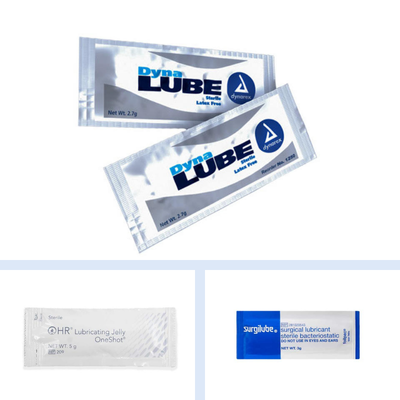 There are several supplies that are either necessary or recommended when preparing to lubricate an intermittent catheter. The only items that are absolutely necessary are the catheter itself and a sterile lubricating jelly packet. To make the process cleaner, easier, and more comfortable, many users also make use of cleaning wipes, exam gloves, and disposable or washable underpads. Cleaning wipes help keep hands and surrounding surfaces clean, but alcohol based wipes should not be used on the catheter itself because they can irritate the urethra during insertion. Gloves provide a barrier between the hands and the catheter, and latex free options are important for anyone with sensitivities or allergies. Disposable or reusable underpads protect the work surface and help limit cross contamination between furniture, the catheter, and the lubricant. Whatever supplies are used, it is helpful to lay everything out on the workspace before starting so the lubrication process stays as organized and clean as possible.
For routine at-home catheter use, it can be very helpful to keep all lubrication supplies stored together in one dedicated spot. Many users keep a small bin, drawer, or caddy stocked with intermittent catheters, lubricating jelly packets, gloves, wipes, and underpads so everything is easy to reach when it is time to catheterize. Having backups of key items, like extra packets and gloves, reduces the chance of running out at a bad time. For travel or on-the-go lubrication, a smaller version of this setup works well. A simple travel kit can include a few intermittent catheters, single-use lubricant packets, a pair of gloves, a small pack of wipes, and a folded disposable underpad, all stored in a discreet pouch or bag. Keeping a kit like this prepared ahead of time makes it easier to maintain a clean, consistent routine even when away from home.
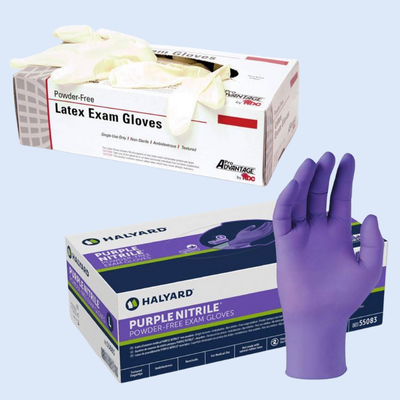 Regularly checking supplies is just as important as having them. Before catheterization, a quick visual inspection of the catheter can help identify cracks, bends, or other damage so a problem is caught before use. This can be done without touching the catheter or while wearing clean gloves to keep it as clean as possible. Lubricating jelly typically has a shelf life of about two to three years, even if the packet doesn't have a specific expiration date. To avoid using old lubricant, it is usually better to order what will be needed for the next few months instead of buying large quantities in bulk. Other items, such as gloves, wipes, and underpads, should also be checked for rips, holes, or tears before starting the lubrication process to help maintain a clean, reliable setup.
Intermittent Catheter Lubrication Shopping List
Use this list to stock a basic at home kit for intermittent catheter lubrication.
Core Items
Most people will need these for every intermittent catheterization session.
Drains urine from the bladder during intermittent catheterization.
Coats the catheter to lower friction at the urethral opening and along the urethra.
Optional Helpers
These are not always required, but they can make the process cleaner and easier.
Creates a barrier between hands, the catheter, and lubrication supplies.
Cleans hands and the urethral area before lubrication and insertion.
- Medline Disposable Fluff and Polymer Underpad, Heavy Absorbency
- Salk CareFor Deluxe Washable Underpad
Protects bedding or furniture and helps keep the cathing area cleaner.
Step-by-Step Instructions on Lubricating an Intermittent Catheter
Always prioritize doctor recommendations for your catheterization process.-
Wash hands thoroughly with soap and water, then dry them completely.
Use warm water and soap, scrubbing for at least 20 seconds, including between fingers, under fingernails, and the backs of the hands. Rinse well and dry with a clean towel or paper towel so there is no moisture left on the skin. Once hands are dry, put on clean exam gloves if they are available to help keep the catheter and supplies as clean as possible. -
If being used, place down the disposable/washable underpad on the work area.
Place the pad on the work surface before setting out any supplies. Underpads help create a cleaner barrier and protect furniture from spills and/or leaks. A reusable underpad should be freshly washed before catheterization and washed again immediately afterward. For disposable underpads, use a new, unopened, pad each time and discard it right after the cathing process is complete. -
Open the catheter package without touching the insertion tip, and keep it on its sterile wrap as a work surface.
Gently peel open the catheter package at the designated corner or tear notch. Avoid touching the insertion tip or any part of the catheter that will enter the urethra. Leave the catheter resting on the inner sterile wrap or tray. This creates a clean area to work on while preparing the lubricant and helps limit contact with unclean surfaces. -
Open one side of the single use packet of lubricating jelly, either by hand or with scissors for a more precise cut.
Take the lubricant packet and locate the edge or tear notch. Tear it open carefully on one side, or use clean scissors if that gives better control over the size of the opening. Hold the packet upright while opening so the jelly stays inside until it is time to apply it. -
Squeeze a small amount of lubricant onto the first 2 to 4 inches of the catheter tip and spread it evenly.
Gently press the packet so a controlled amount of jelly comes out onto the tip and the first few inches of the catheter. Use the packet opening or a gloved finger to smooth the lubricant around that section, aiming for a thin, even coating. The catheter should be fully covered in this area, but avoid thick clumps or large globs that could block visibility of the urethral opening or make insertion feel uneven. -
Open the opposite side of the packet and fully lubricate the catheter by sliding and rotating it inside the packet.
Turn the packet around and open the other end with clean hands or scissors. Hold the catheter firmly by the funnel end, keeping the insertion tip off any surfaces. Insert the tip into the newly opened end of the packet, then slowly slide the packet along the catheter while gently rotating it. This helps spread the jelly along the length of the catheter that will be inserted, creating a consistent, well lubricated surface. If extra lubrication is desired, the user may apply a light to medium amount to the area around the urethra to make initial insertion easier. -
Proceed with the standard cathing process.
Once the catheter is fully lubricated, follow the usual catheterization routine provided by your healthcare provider. Maintain as clean a technique as possible, keeping the catheter from touching unclean areas, and follow the recommended positioning, insertion depth, and drainage steps that are part of your individual cathing plan. -
After use, dispose of the single use catheter and lubricant packet, then wash hands again.
When drainage is complete, remove the catheter and discard it along with the empty lubricant packet. Remove and throw away gloves if they were used. Either dispose of or wash the underpad if used, depending on if it is single-use or not. Finish by washing hands again with soap and water and drying them thoroughly to leave the area and your hands clean.
Safe intermittent catheter lubrication ultimately comes down to three habits: knowing which catheter types actually need added sterile lubricant, keeping your hands and workspace as clean as possible, and using sterile single-use lubricant correctly and effectively every time. By stocking the right supplies, inspecting them regularly, and following a consistent step by step routine, catheterization can become more predictable and less stressful. Paying attention to irritation, pain, or changes in how cathing feels and involving a healthcare provider when something seems off, or just for regular concerns, helps lower the risk of infection and other complications. With the right information, preparation, and supplies, lubrication becomes a simple, repeatable part of bladder care that supports safer, more comfortable intermittent catheter use at home and on the go.
Explore Our Newest Medical Guides & Insights
Foley Catheter Guide: Uses, Sizes, Care, and How to Choose the Right Catheter

Medical Supplies You Should Always Keep at Home (And When You’ll Need Them)

How to Choose the Best Medical Tape for Every Situation

Tattoo Shop Sanitation Basics: Building a Clean, Repeatable Workflow
Hollister Ostomy Accessories and How They Can Help